Total Joint Program Form
Give patients a straightforward way to prepare for joint replacement surgery with a form that collects medical information, procedure details, and recovery preferences. Keep patient records organized so healthcare teams can coordinate treatment, plan rehabilitation, and support a smoother surgical experience.



A patient is preparing for knee replacement surgery, while another needs to complete paperwork before a scheduled hip replacement. Both patients require coordinated care, but their procedures involve different mobility needs and recovery plans. A total joint program form helps healthcare providers collect the information needed to prepare patients for surgery and rehabilitation.
Patients provide contact details, procedure information, and relevant medical history. You can include sections for current medications, mobility limitations, and home recovery arrangements. Fields for additional information give patients space to describe accessibility needs, concerns about surgery, or support requirements that aren't covered by standard questions.
Your team receives organized patient information without relying on scattered paperwork or repeated phone calls. Care coordinators review submissions, identify preparation needs, and arrange educational resources or rehabilitation services. Patients get a straightforward way to share important details while healthcare providers coordinate care before and after joint replacement surgery.
A total joint program form collects information from patients preparing for hip, knee, or other joint replacement procedures. It usually includes patient demographics, surgical details, medical history, mobility assessments, and recovery planning information. Healthcare providers use it to coordinate preoperative preparation, organize rehabilitation services, and support communication throughout the joint replacement process.
Preparing for joint replacement surgery involves medical evaluations, patient education, and recovery planning. A structured form helps healthcare teams identify patient needs and organize important information before the procedure. It supports communication between patients, surgeons, and rehabilitation specialists while helping individuals understand what to expect during surgery preparation and recovery.
Include questions that help healthcare providers prepare patients for surgery and recovery, like:
- What is the patient's full name?
- What is their preferred contact method?
- Which joint is scheduled for replacement?
- What is the scheduled surgery date?
- Who is the orthopedic surgeon?
- Has the patient undergone previous joint surgery?
- What medications is the patient currently taking?
- Does the patient have any known allergies?
- Are there existing mobility limitations?
- Does the patient currently use mobility aids?
- Who will provide assistance during recovery?
- Are there stairs or accessibility barriers at home?
- Has the patient attended preoperative education?
- Are rehabilitation appointments scheduled?
- What concerns does the patient have about recovery?
You can adjust the questions to match your surgical procedures, patient education requirements, and rehabilitation protocols.
Organize questions into sections covering personal information, medical history, surgery preparation, and recovery planning. Use dropdown menus for procedure types and multiple-choice questions for mobility assessments. Conditional logic can display follow-up questions based on patient responses. Include clear instructions, avoid unnecessary medical terminology, and let patients request assistance when completing the form.
Yes. A total joint program form helps healthcare teams identify recovery needs and organize postoperative services before surgery. Patients can provide information about home support, mobility limitations, and rehabilitation preferences. Care coordinators can review responses, arrange physical therapy, and identify potential discharge planning concerns. Use secure systems that meet applicable patient privacy requirements and follow established clinical protocols when managing patient information.
Get inspired by relevant templates and categories
3200+ Templates, 300+ Integrations
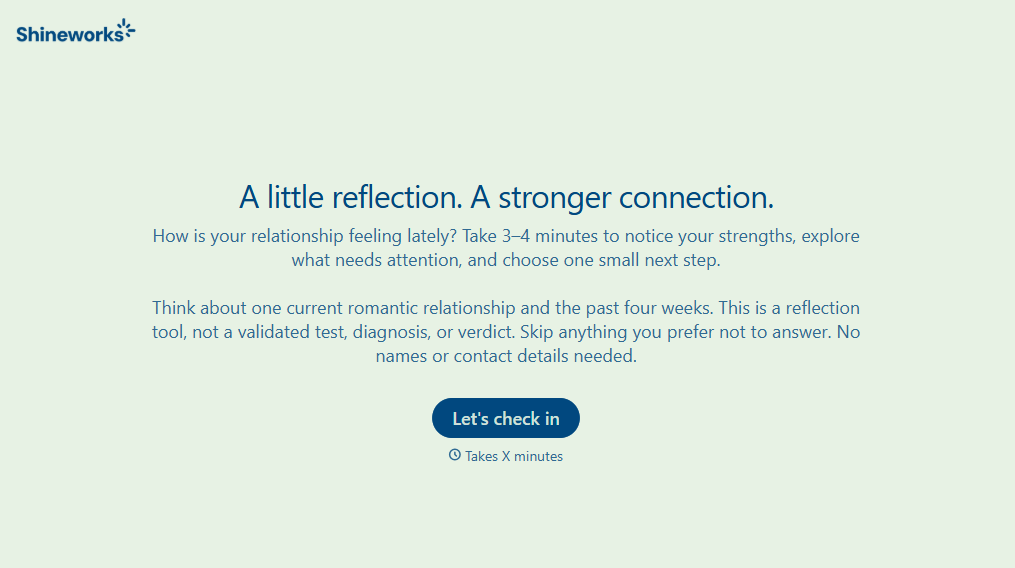
Relationship Quality Test Form
Give individuals and couples a simple way to evaluate their relationships with a form that explores communication, trust, and emotional connection. Keep responses organized so users can reflect on relationship strengths, identify challenges, and understand areas that need attention.
View template

Minor Surgery Permission Form
Give patients and authorized guardians an easy way to document consent for minor surgical procedures with a form that collects patient information, procedure details, and medical considerations. Keep consent records organized so healthcare providers can verify permissions, review relevant health information, and prepare for scheduled procedures.
View template

Screening Checklist for Visitors and Employees Form
Give organizations a straightforward way to screen visitors and employees with a form that collects identification details, visit information, and required safety acknowledgments. Keep screening records organized so teams can manage workplace access, identify potential concerns, and maintain a safe and secure environment.
View template

Patient Waiting List Form
Give patients an easy way to join an appointment waiting list with a form that collects contact information, scheduling preferences, and care needs. Keep all of the requests organized so your team can manage cancellations, fill available appointments, and reduce scheduling delays.
View template
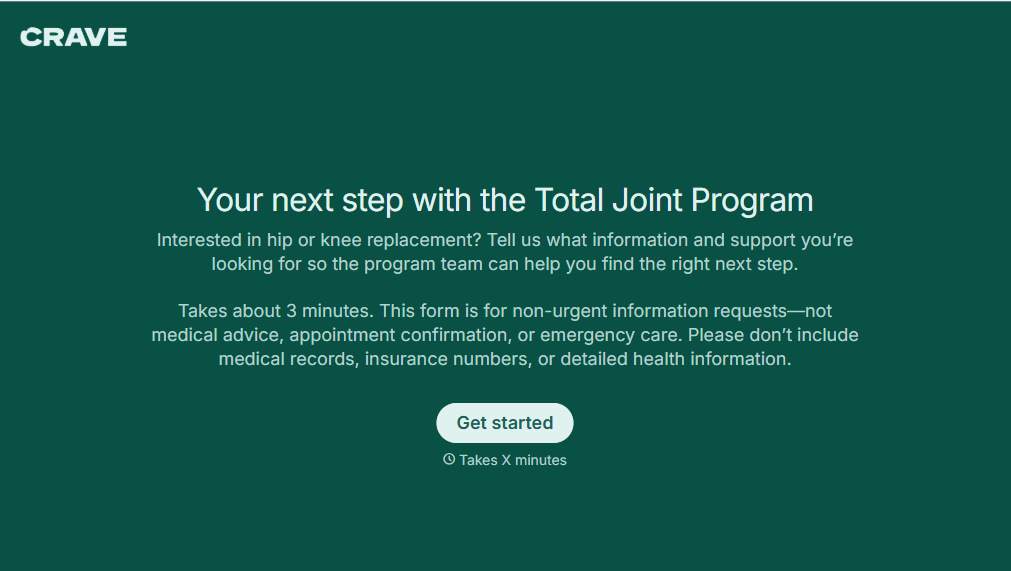
Total Joint Program Form
Give patients a straightforward way to prepare for joint replacement surgery with a form that collects medical information, procedure details, and recovery preferences. Keep patient records organized so healthcare teams can coordinate treatment, plan rehabilitation, and support a smoother surgical experience.
View template

Telemedicine Patient Evaluation Form
Give healthcare providers a convenient way to collect patient information before virtual appointments with a form that gathers medical history, current symptoms, and health concerns. Keep patient records organized so clinicians can prepare for consultations, assess care needs, and provide personalized telemedicine services.
View template
With Typeform, you can customize everything
Change text, colors, and even logos to match the look and feel of your brand. Then embed forms smoothly onto web and email.
Make forms feel effortless to fill out. Pace questions, call people by their name, and adapt the flow based on the data they share.
Stay efficient by connecting forms to your workflow. Typeform integrates with 300+ tools including Slack, Zapier, and HubSpot.