Corrective Action Form Template
Document employee performance issues and corrective action plans in a consistent, professional format. This template creates a clear record for both HR and the employee.



Managing employee performance issues without documentation creates problems on both sides. Verbal conversations don't create a record, informal notes are inconsistent, and when a situation escalates to termination, the lack of documented corrective action becomes a liability. A structured process protects the organization and gives the employee a clear understanding of expectations.
A corrective action form standardizes that process. HR or a manager completes it following a performance issue, documenting the specific behavior, the expected standard, the consequences of continued non-compliance, and the agreed-upon steps to address the situation. Typeform's format keeps the form focused and thorough without being unwieldy.
Connect the form to your HR system so every completed record lands in the employee's file automatically, and use it consistently across departments to ensure fair, documented processes.
A corrective action form is an HR document that records a performance or conduct issue, the expected standard of behavior, and the steps being taken to address the gap. It's used to create a formal paper trail during progressive discipline processes and serves as a reference point for both the manager and the employee about what was discussed and what's expected going forward.
Undocumented performance conversations don't protect anyone. If a situation escalates to termination or a legal dispute, the lack of a written record makes it very difficult to demonstrate that the employee was given fair notice and an opportunity to improve. A consistent form also ensures managers across the organization are handling performance issues the same way, which reduces the risk of claims of unequal treatment.
Cover the incident, the expectation, the action plan, and the acknowledgment:
- What is the employee's name, job title, and department?
- What is the specific performance or conduct issue being addressed?
- What is the expected standard or policy that has not been met?
- What is the corrective action plan — what must change and by when?
- What are the consequences if the issue is not resolved within the stated timeframe?
- Has the employee reviewed and acknowledged this corrective action?
Apply the same process and documentation standards consistently across all employees and departments. Before issuing a corrective action, review similar situations to ensure you're responding proportionately. Involve HR in reviewing the form before it's presented to the employee, and give the employee an opportunity to add their comments or response as part of the documented record.
A corrective action form typically documents a specific incident or pattern of behavior and the immediate response to it — it's often the first or early step in a progressive discipline process. A performance improvement plan (PIP) is a more structured multi-week process used when performance deficiencies are ongoing, outlining specific goals, timelines, and support structures. Both should be documented, but a PIP involves a more extended review period and regular check-ins.
Get inspired by relevant templates and categories
3200+ Templates, 300+ Integrations
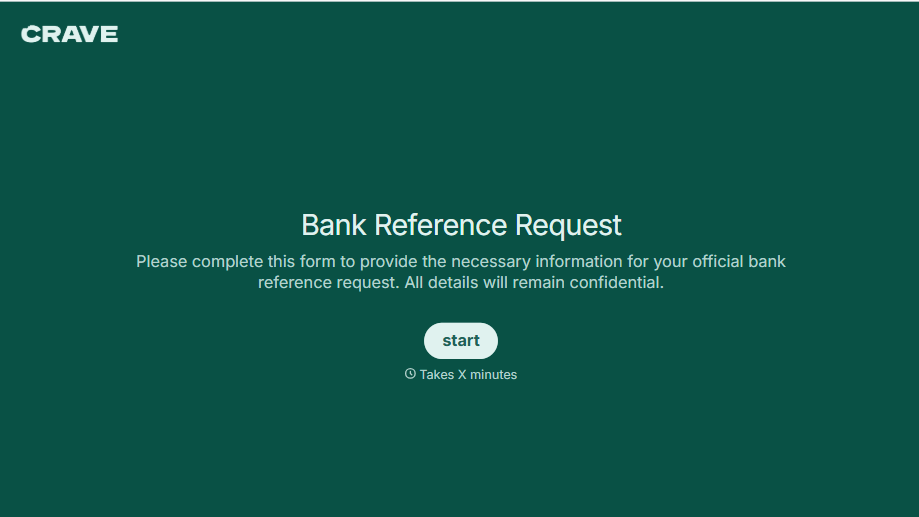
Bank Reference Form
A reference request faxed to a bank branch and left sitting in a queue for weeks isn't the kind of turnaround a landlord or business can wait on. Collect the applicant's signed authorization and the specific details you need confirmed before the request even reaches the bank, so a decision isn't stuck behind a letter that hasn't come back yet.
View template
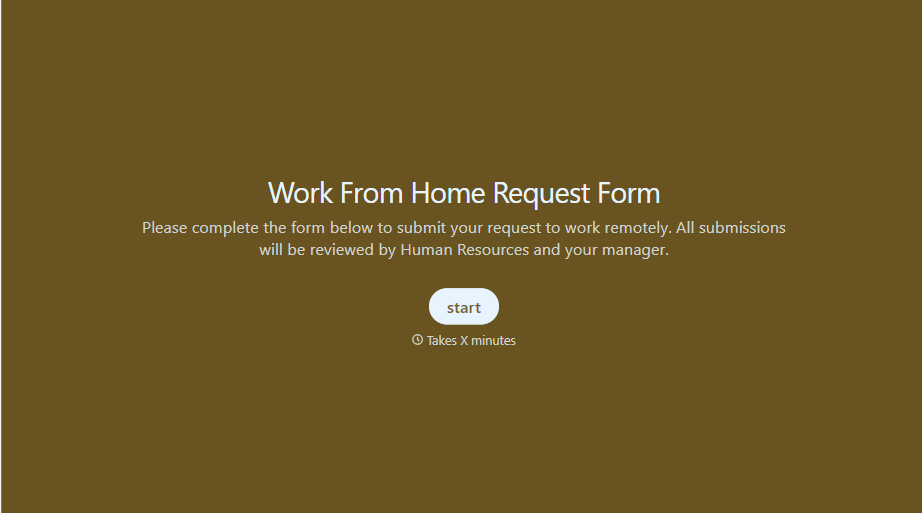
Work From Home Request Form
A Slack message asking to work from home on Thursday isn't a request anyone can track, especially once the same employee has asked five different ways over a month. Collect the request type, dates or schedule, and manager approval in one place, so HR isn't reconstructing who's working where from a scattered inbox.
View template
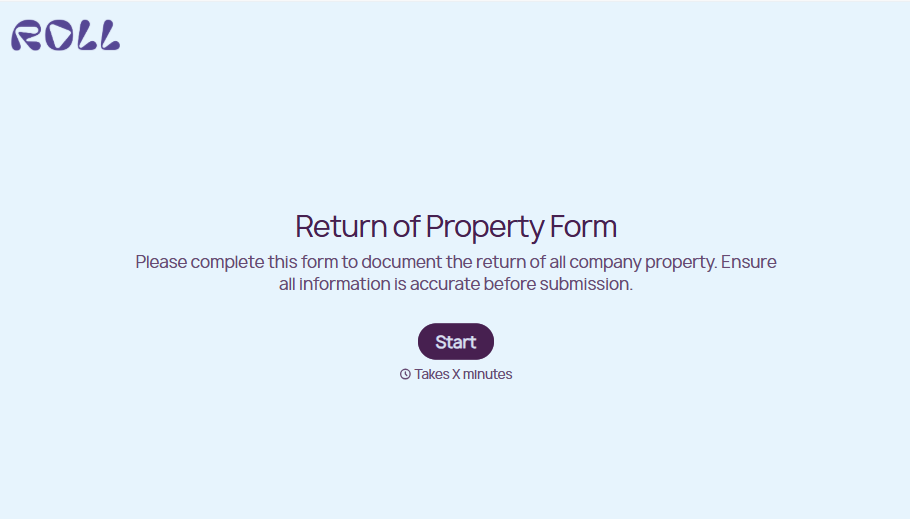
Return of Property Form
A property checklist stapled to an exit interview packet isn't a record anyone can rely on when a laptop turns up missing three weeks later. Collect itemized equipment details, condition at return, and a signed acknowledgment before an employee's last day, so IT isn't chasing down a laptop that already walked out the door.
View template
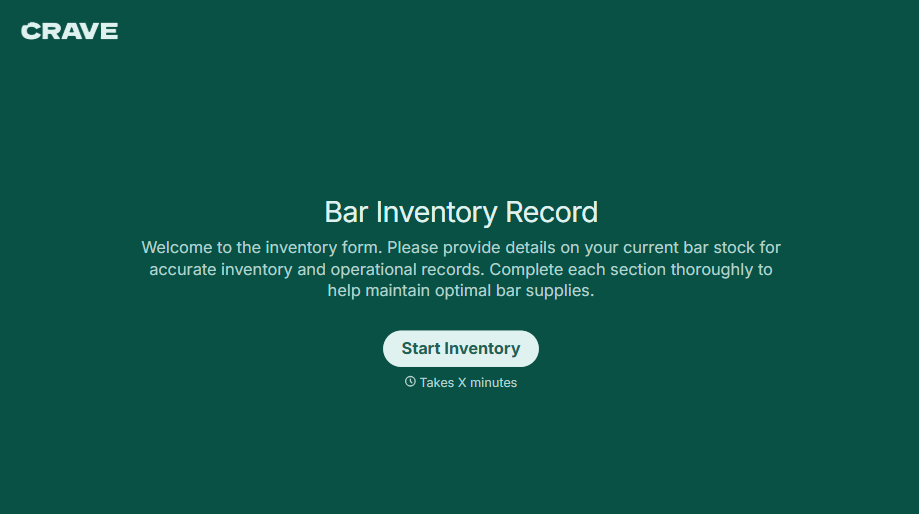
Bar Inventory Form
A bottle count eyeballed at the end of a shift and scrawled on a paper sheet doesn't hold up against a pour cost report that says something doesn't add up. Collect what your bar actually needs, item, count, and variance, on a schedule you can actually compare week to week.
View template
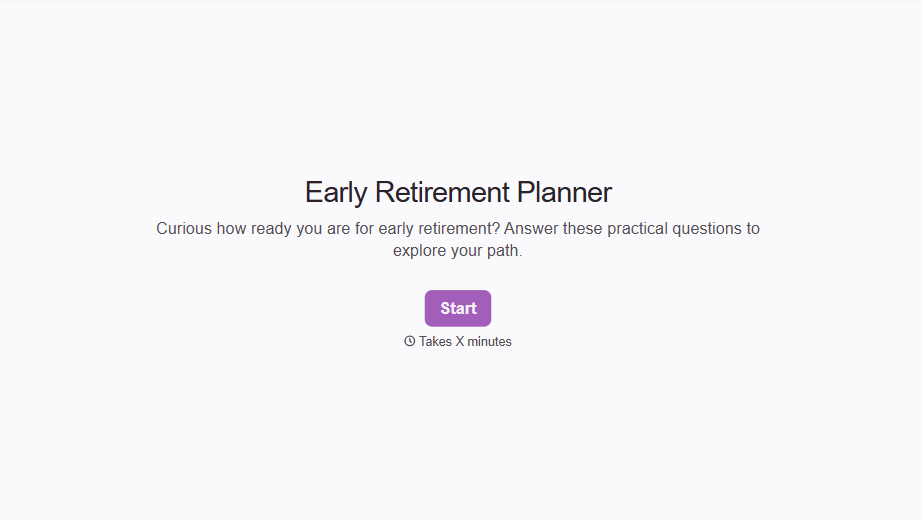
Early Retirement Form
A retirement mentioned to a manager in conversation doesn't give HR anything to actually process, and if there's an incentive deadline attached, the date that conversation happened can matter more than anyone realized at the time. Collect what your HR team actually needs, employee information, requested date, and benefit elections, before a window closes.
View template
With Typeform, you can customize everything
Change text, colors, and even logos to match the look and feel of your brand. Then embed forms smoothly onto web and email.
Make forms feel effortless to fill out. Pace questions, call people by their name, and adapt the flow based on the data they share.
Stay efficient by connecting forms to your workflow. Typeform integrates with 300+ tools including Slack, Zapier, and HubSpot.