Mental Health Journal Form Template
Give clients or participants a structured way to track their mental health over time, building a record that supports their care.



Self-reporting mental health experiences informally — in notes apps, journals, or emails — produces information that's hard for clinicians or coaches to review systematically. Patterns go unnoticed, entries are inconsistent, and when a client is in a session, neither party has a clear picture of what the past week actually looked like.
A Typeform mental health journal form gives clients a consistent structure for reflecting on their experiences. Mood ratings, sleep, energy levels, notable events, and open-ended reflections are captured in the same format every time — making it easy to spot patterns across submissions. Conditional logic can prompt deeper follow-up questions based on what a client reports, so a low mood rating opens a space for elaboration while a more neutral day keeps the form brief.
You can customize the form for your program or practice — adjusting the frequency of check-ins, the scales used, and the specific areas you want clients to track. Responses can flow to a clinician's dashboard or a shared review system via integrations.
A mental health journal form is a structured check-in tool that clients or participants use to regularly record their emotional state, behaviors, and experiences. Unlike an open-ended journal, it uses consistent questions so responses can be compared over time and reviewed by a clinician or support person.
Consistent tracking produces data that's actually useful in clinical or coaching conversations. When clients report in the same format each time, patterns in mood, sleep, or triggers become visible in a way that unstructured journaling doesn't support.
Focus on the areas most relevant to the goals of the program or treatment:
- Overall mood rating (scale of 1 to 10)
- Hours of sleep and quality of sleep
- Energy level and motivation
- Anxiety or stress level
- Notable events or stressors from the past day or week
- Any behavioral patterns (exercise, social contact, alcohol use)
- Open reflection on anything the client wants to share
This depends on the program. Daily check-ins work well for acute situations or intensive programs. Weekly submissions are more sustainable for ongoing therapy or coaching relationships. You can set up automated reminders through Typeform's integrations to prompt clients on a set schedule so they don't need to remember on their own.
It works well as a supplementary tool between sessions — not as a clinical assessment instrument. For formal assessments, validated tools like the PHQ-9 or GAD-7 should be used. Your Typeform journal form is most valuable as a tracking and reflection tool that informs clinical conversations rather than replacing them.
Get inspired by relevant templates and categories
3200+ Templates, 300+ Integrations
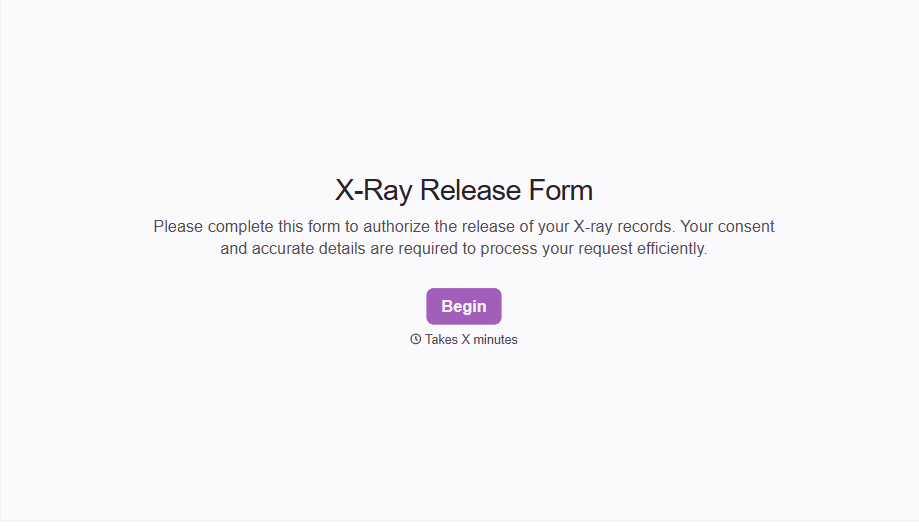
X-Ray Release Form
A phone call asking to send X-rays to a new provider isn't an authorization your compliance file can rely on. Collect patient information, the receiving provider's details, and a signed authorization before the images go out, so your front desk isn't scrambling to prove who approved a release.
View template
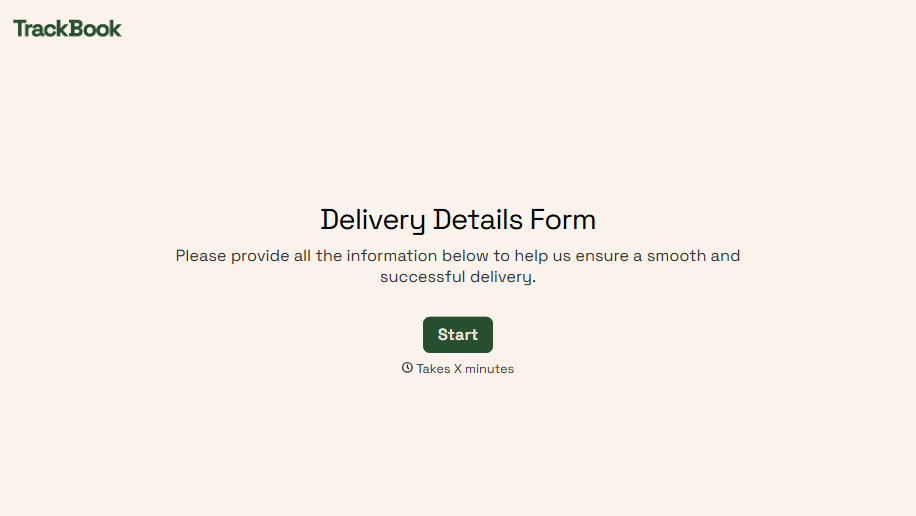
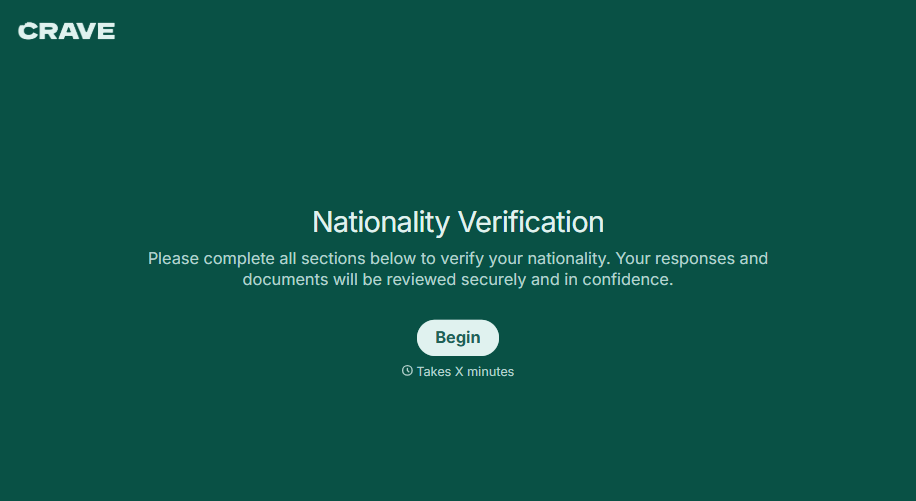
Nationality Verification Form
A self-certification buried in a stack of new account paperwork isn't the kind of record a compliance team can rely on for a regulatory filing. Collect nationality, tax residency, and a signed declaration before an account opens, so compliance isn't chasing down a customer's citizenship status after the fact.
View template
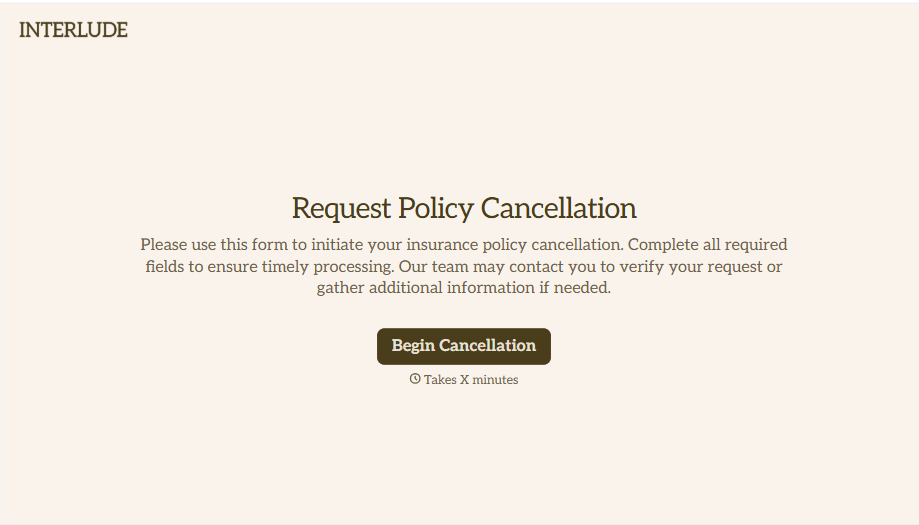
Policy Cancellation Form
A cancellation requested over the phone doesn't leave a clear record of exactly what date the policyholder actually asked for, and that date matters more than it sounds like it should. Collect what your agency actually needs, policy details, identity verification, and the requested effective date, before coverage actually ends.
View template
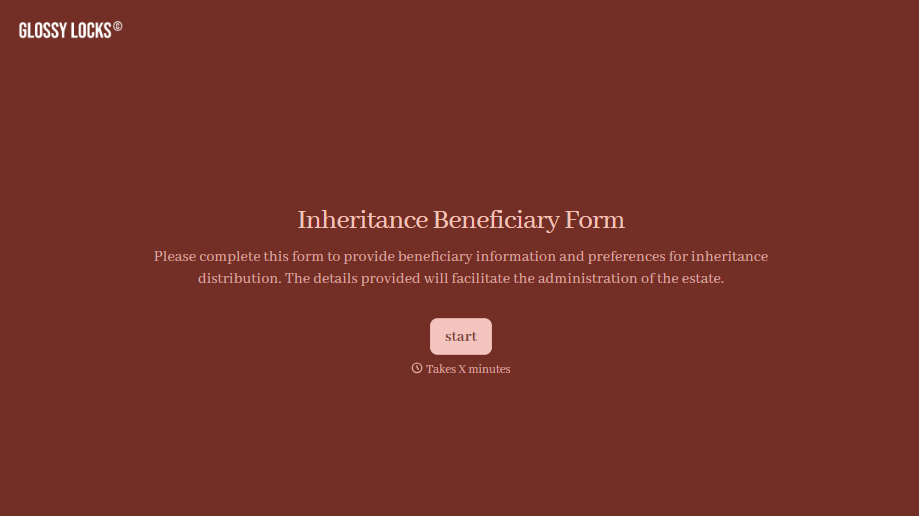
Inheritance Beneficiary Form
Asking a grieving family member for the same banking details across three different phone calls doesn't make settling an estate go any faster. Collect what your firm actually needs, beneficiary information, identification, and distribution details, in one submission instead of three calls.
View template
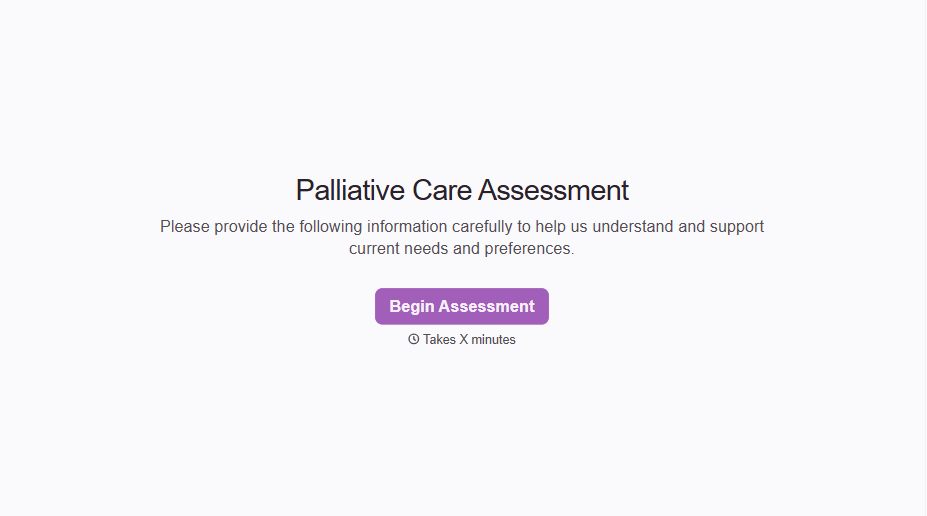
Palliative Care Assessment Form
A symptom check done verbally during a rushed home visit isn't the kind of record that shows whether pain management is actually working from one visit to the next. Collect symptom severity, functional status, and psychosocial needs consistently, so a care team can see change over time instead of relying on memory of the last visit.
View template
With Typeform, you can customize everything
Change text, colors, and even logos to match the look and feel of your brand. Then embed forms smoothly onto web and email.
Make forms feel effortless to fill out. Pace questions, call people by their name, and adapt the flow based on the data they share.
Stay efficient by connecting forms to your workflow. Typeform integrates with 300+ tools including Slack, Zapier, and HubSpot.