Digital Nomad Service Application Form Template
Screen and onboard applicants for digital nomad programs, communities, or services. This template collects professional background, work setup, and travel history in one structured form.



Digital nomad programs and communities are growing fast, but so is the volume of people who apply without meeting the actual requirements. Whether you're running a co-living program, a visa application service, or a remote work community, you need a way to assess applicants consistently before investing time in review or onboarding.
A structured application form creates that filter. Applicants describe their professional background, remote work setup, income stability, and travel experience in a guided flow that surfaces the information your team actually needs. Typeform's conditional logic lets you route applicants based on their work type — a freelancer and a full-time remote employee are likely to need different questions — and skip irrelevant sections that don't apply to them.
Customize the form to match your program's eligibility criteria, set up automated confirmations for applicants, and review qualified submissions from a single organized view.
A digital nomad service application form collects professional, logistical, and background information from people applying to nomad programs, co-living spaces, remote work visas, or related services. It's used to assess whether applicants meet the program's requirements and to gather the details needed to process their application.
As interest in remote work and nomad lifestyles has grown, so has the volume of unqualified or incomplete applications that programs receive. A structured form sets clear expectations about what's required, filters out applicants who don't meet basic criteria through conditional logic, and ensures that reviewers are working from complete, comparable information for every application they evaluate.
Tailor the form to your program's specific requirements, but these core areas apply broadly:
- What is your current professional role and employment type (freelance, full-time remote, business owner)?
- What is your primary source of income, and is it location-independent?
- What countries have you spent significant time in over the past 2 years?
- What does your typical remote work setup require (internet speed, equipment, time zones)?
- Why are you applying to this program, and what are you hoping to get from it?
- Do you have any current visa restrictions or travel limitations we should know about?
Rather than asking for exact income figures upfront, ask applicants to describe their work arrangements and the stability of their income sources. You can add an optional field for approximate monthly income if your program has a minimum threshold — present it as helping you match applicants with the right tier or program rather than as a disqualifying screen. For programs that require verification, include a file upload field for recent bank statements or contracts.
If your service involves visa assistance or operates in jurisdictions with specific nomad visa requirements, include fields for passport nationality, current residency status, and any existing visa holds or restrictions. Make clear in your form description and terms that providing this information does not constitute legal advice, and direct applicants to appropriate resources for country-specific visa guidance.
Get inspired by relevant templates and categories
3200+ Templates, 300+ Integrations
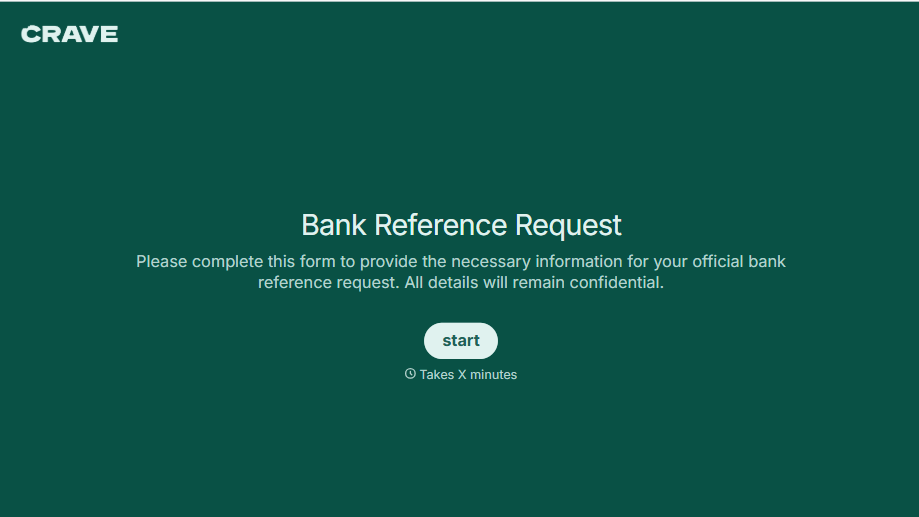
Bank Reference Form
A reference request faxed to a bank branch and left sitting in a queue for weeks isn't the kind of turnaround a landlord or business can wait on. Collect the applicant's signed authorization and the specific details you need confirmed before the request even reaches the bank, so a decision isn't stuck behind a letter that hasn't come back yet.
View template
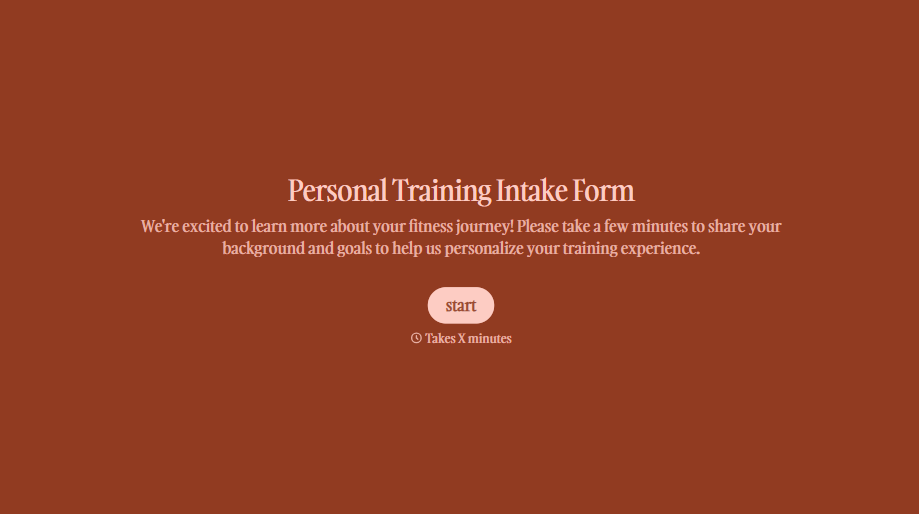
Personal Trainer Intake Form
A PAR-Q filled out in the lobby five minutes before a first session isn't intake, it's a formality nobody has time to read closely. Collect health history, injury information, and fitness goals before the first session, so your trainer isn't building a program blind.
View template
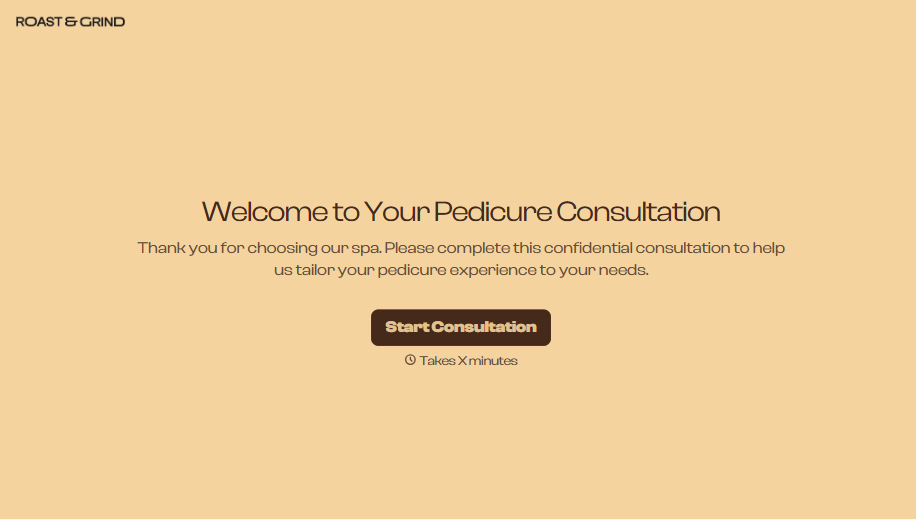
Pedicure Consultation Form
An intake card filled out on a clipboard while a client's feet are already in the soak isn't a consultation, it's a formality nobody reads closely. Collect foot health disclosures, allergy information, and service preferences before the technician picks up a tool, so nobody discovers a health condition mid-service.
View template
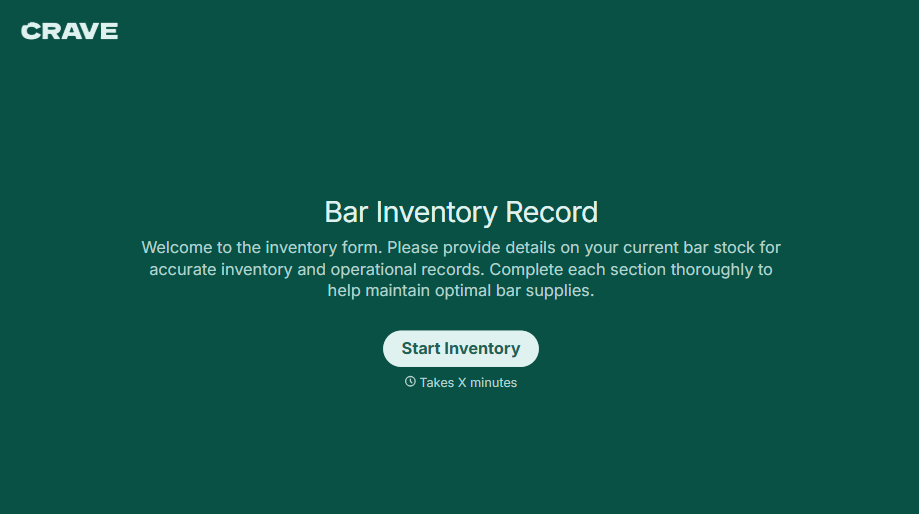
Bar Inventory Form
A bottle count eyeballed at the end of a shift and scrawled on a paper sheet doesn't hold up against a pour cost report that says something doesn't add up. Collect what your bar actually needs, item, count, and variance, on a schedule you can actually compare week to week.
View template
Equipment Inventory Form
Equipment that leaves a storage room in someone's arms, with no note about where it went, doesn't show up again until someone needs it and can't find it. Collect what your team actually needs, item details, condition, and who's got it, every time something moves.
View template
Musical Audition Form
A name scrawled on a sign-up sheet taped near the rehearsal room doesn't tell a director what role someone's after, or whether they can actually make callbacks next Tuesday. Collect what your production actually needs, contact information, role interest, and availability, before audition day arrives.
View template
With Typeform, you can customize everything
Change text, colors, and even logos to match the look and feel of your brand. Then embed forms smoothly onto web and email.
Make forms feel effortless to fill out. Pace questions, call people by their name, and adapt the flow based on the data they share.
Stay efficient by connecting forms to your workflow. Typeform integrates with 300+ tools including Slack, Zapier, and HubSpot.