Musical Audition Form
A name scrawled on a sign-up sheet taped near the rehearsal room doesn't tell a director what role someone's after, or whether they can actually make callbacks next Tuesday. Collect what your production actually needs, contact information, role interest, and availability, before audition day arrives.



Audition sign-ups often happen on a sheet of paper taped up somewhere near the rehearsal room, first come first served, a name and a time slot, nothing else. The director walks into auditions with no idea who's coming, what role they're after, or whether they even have a conflict with the callback date already on the calendar, and finds out about a scheduling problem only after someone's already been cast.
Typeform's musical audition form asks for what your production actually needs, contact information, role or role type interested in, vocal range, and availability for callbacks, then uses conditional logic to branch from there. Someone auditioning for a specific named role can get asked to prepare a particular song, while someone open to ensemble can skip that question entirely, and someone with a scheduling conflict can flag it upfront instead of it surfacing after casting decisions are already made. Every sign-up lands in one record instead of a sheet of paper the director's flipping through in the lobby.
Connect the form to a spreadsheet or your casting software through Zapier, and a sign-up can log itself against an audition slot automatically. Ask for it before audition day, and your director walks in with a full roster and everyone's availability already sorted, instead of piecing it together from a sign-up sheet as people trickle in.
A musical audition form is an online form theater companies and music programs use to collect a performer's contact information, role interest, and availability before auditions. Instead of a paper sign-up sheet with just a name and a time slot, the director has a full picture of who's coming and what they're after.
A paper sign-up sheet captures a name and a time, but nothing about the role someone wants, their vocal range, or a scheduling conflict that might affect casting later. A form collects that context upfront, so a conflict or a mismatch surfaces before the cast list goes up, not after.
Ask for what your production will actually need before auditions start:
- Name and contact information
- Role or role type interested in
- Vocal range or type
- Availability for callbacks and rehearsals
- Prior experience or resume
Not necessarily. Submitting the form reserves a slot to be seen and gives the director information to work from, but casting decisions still happen after the actual audition. Filling out the form doesn't replace performing at the audition itself.
Yes. Add a file upload question and applicants can attach a headshot, a resume, or a link to a performance clip in the same submission, no separate email required. Pair it with conditional logic so the upload only appears when it's relevant to the role.
Get inspired by relevant templates and categories
3200+ Templates, 300+ Integrations
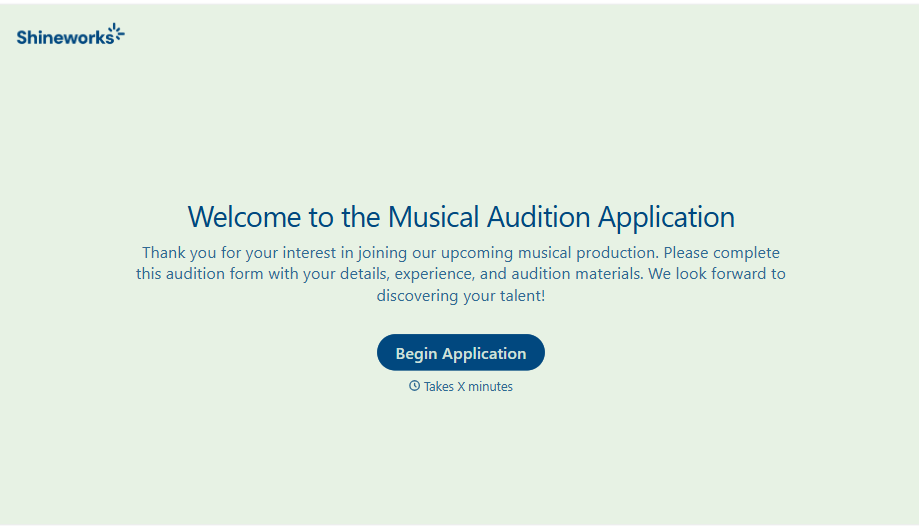
Musical Audition Form
A name scrawled on a sign-up sheet taped near the rehearsal room doesn't tell a director what role someone's after, or whether they can actually make callbacks next Tuesday. Collect what your production actually needs, contact information, role interest, and availability, before audition day arrives.
View template
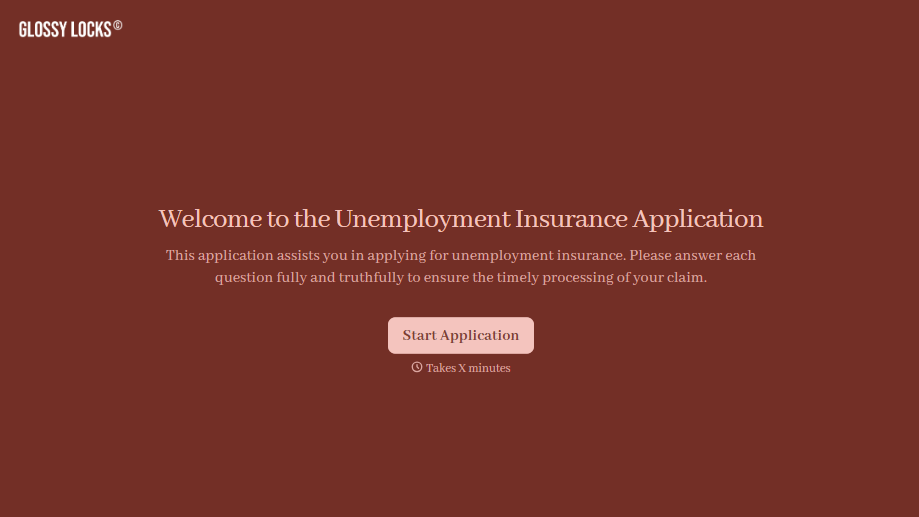
Unemployment Insurance Application Form
A stack of pay stubs gathered the morning of a filing deadline isn't the kind of preparation that gets a claim processed without delay. Collect employment history, separation details, and supporting documents before you sit down at your state's unemployment portal, so a claim doesn't stall over a missing detail.
View template
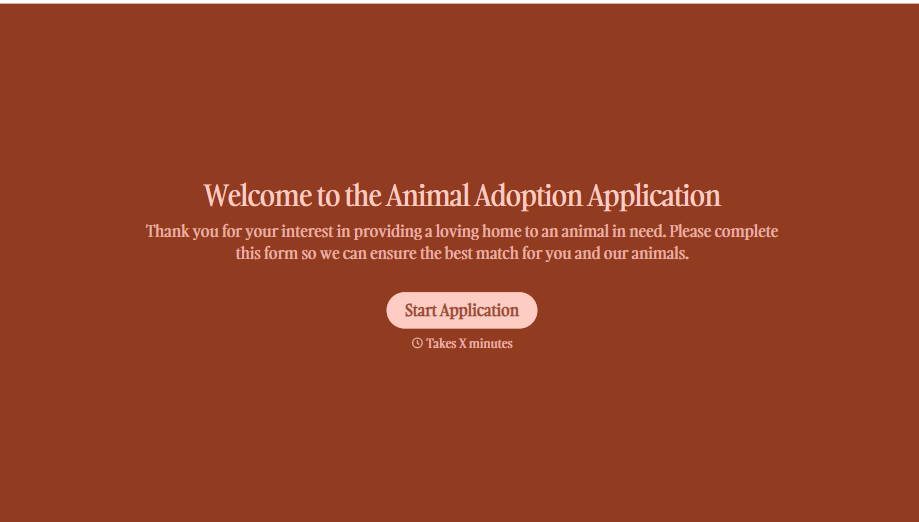
Animal Adoption Application Form
A paper application filled out at the counter while a dog's watching through the window isn't enough information to place an animal in a home that'll actually work. Collect household information, pet experience, and references before adoption day, so your staff aren't approving a placement on a rushed form.
View template
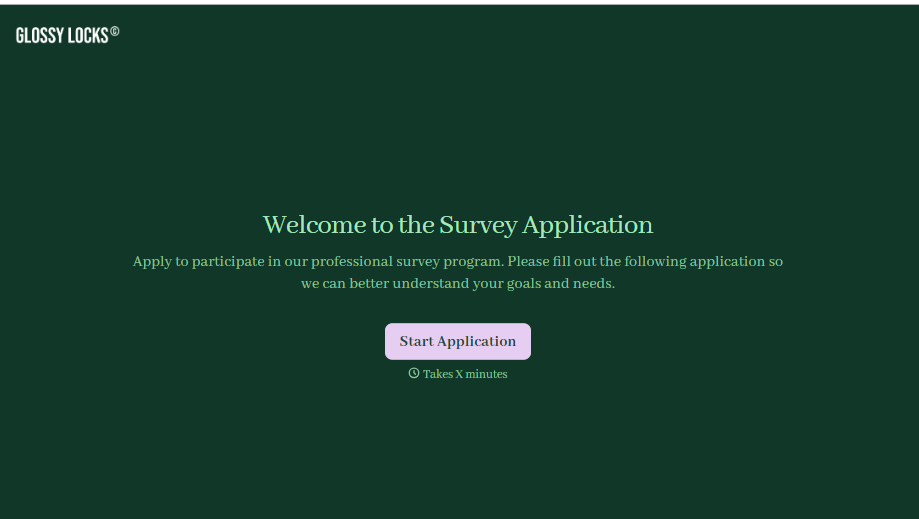
Survey Application Form
A screener that makes someone answer 20 questions before finding out they don't qualify isn't good research design, it's a wasted respondent and a wasted budget. Collect qualifying details upfront, route ineligible applicants out quickly, and send the full survey only to people who actually fit, so your research budget isn't spent on data you can't use.
View template
Pet Adoption Application Form
An adoption approved after a quick conversation at the shelter doesn't tell anyone whether the applicant's landlord actually allows pets, and that's usually the detail that sends an animal back a few weeks later. Collect what your shelter actually needs, applicant information, living situation, and experience with pets, before the adoption gets approved.
View template
Toys for Tots Application Form
A family filling out a paper intake form at a folding table, or calling a number that goes to voicemail, is how a lot of local Toys for Tots requests still get handled, and every one of those depends on someone manually transcribing names, ages, and contact information before a coordinator can even start matching families to toys. Collect it online instead, so the coordinator's time goes to sourcing and distributing toys, not retyping intake sheets.
View template
With Typeform, you can customize everything
Change text, colors, and even logos to match the look and feel of your brand. Then embed forms smoothly onto web and email.
Make forms feel effortless to fill out. Pace questions, call people by their name, and adapt the flow based on the data they share.
Stay efficient by connecting forms to your workflow. Typeform integrates with 300+ tools including Slack, Zapier, and HubSpot.