Eating Habits Questionnaire Form
Learn how people eat throughout a typical day. Collect information about meal routines, food choices, and preferences to understand the habits behind their answers.



Someone says they usually skip breakfast. That could mean they’re not hungry in the morning, start work before sunrise, or don’t have time to prepare anything. The habit alone doesn’t explain much. Typeform’s eating habits questionnaire form gives people room to describe what they eat and what shapes those choices.
Respondents share their meal routines, how often they prepare food at home, and the foods they regularly choose. You can ask about preferences, dietary restrictions, and practical considerations such as cost or access to cooking facilities. Set a clear timeframe so people know whether to describe the past week or their usual routine.
You get a fuller picture than a list of foods. Respondents get questions they can answer honestly, without having to label their habits as good or bad. Whether you’re gathering research or planning a food program, those details help you understand how eating fits into everyday life.
An eating habits questionnaire form collects information about a person’s food choices and eating routines. It can cover meal timing, snacks, drinks, food preparation, and dietary preferences. Researchers, educators, and program organizers use it to understand patterns across individuals or groups.
Food choices depend on more than preferences. Time, budget, availability, and daily schedules all play a part. A questionnaire helps you ask about those factors consistently, giving you context you might miss by simply asking what someone eats.
Choose questions that fit what you want to understand, such as:
- Meal frequency and usual eating times
- Foods and drinks regularly consumed
- Snacking routines
- How often meals are prepared at home or bought elsewhere
- Food preferences and dietary restrictions
- Factors influencing choices, such as convenience or cost
- Any eating habits respondents would like to change
Use a clear reporting period and let people skip personal questions that aren’t essential to your purpose.
Use neutral language and ask about specific behaviors. “How many days have you eaten breakfast in the past week?” is easier to answer than “Do you eat properly?” Include options such as “It varies” or “Prefer not to say” where appropriate. Explain why you’re asking and how responses will be used, especially if you collect names or contact details.
Yes. Adapt the questions to the people answering and the setting you’re studying. Students might answer about meals between classes, while employees might describe food choices during shifts. Ask only for background details that help you interpret the responses, and avoid assuming everyone has the same schedule, food budget, or access to a kitchen.
Get inspired by relevant templates and categories
3200+ Templates, 300+ Integrations
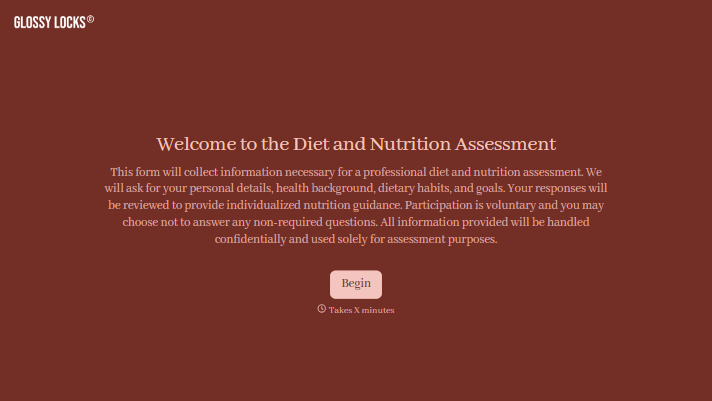
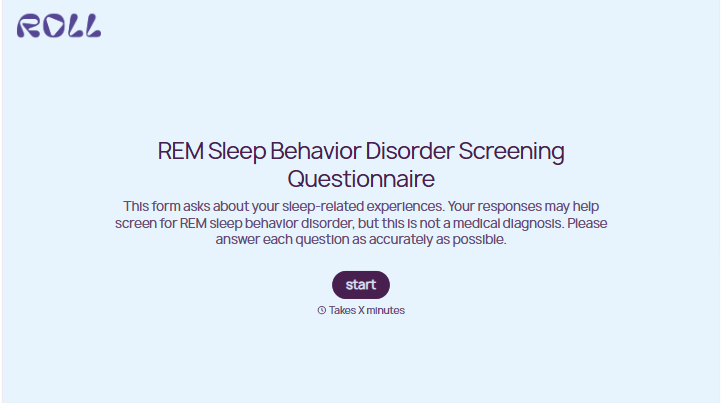
With Typeform, you can customize everything
Change text, colors, and even logos to match the look and feel of your brand. Then embed forms smoothly onto web and email.
Make forms feel effortless to fill out. Pace questions, call people by their name, and adapt the flow based on the data they share.
Stay efficient by connecting forms to your workflow. Typeform integrates with 300+ tools including Slack, Zapier, and HubSpot.