Education Application Form
Collect academic history, program preferences, and supporting documents in one structured form, so your admissions team evaluates every applicant on the same criteria.



Admissions offices that collect applications through email often receive inconsistent academic profiles and missing documents. During peak application periods, chasing missing transcripts or test scores from prospective students adds days to an already time-pressured review. Typeform's education application template gives admissions teams a consistent way to collect complete applicant profiles before any review begins.
The form captures applicant details, academic history, GPA, test scores, program of interest, extracurricular activities, and a personal statement. Each question appears on its own, so students move through the application without feeling overwhelmed by a wall of fields. Conditional logic adapts the form based on the program being applied to. An undergraduate applicant sees different questions than a graduate applicant, keeping each submission focused on the relevant program requirements.
Customize the program categories, academic history fields, and supporting document uploads to match your institution's admissions requirements. Share it on your admissions page, include it in your prospectus email, or distribute it through your recruitment channels. Applications log automatically in your student information system via Zapier, so your team reviews every submission from one organized record. Every application arrives complete, so your team spends the review period evaluating candidates rather than sorting through incomplete submissions.
An education application form collects academic history, program preferences, and personal information from prospective students in one structured submission. It captures GPA, test scores, extracurricular activities, program of interest, and a personal statement from every applicant.
Prospective students who encounter a confusing or fragmented application process often abandon it before submitting. Every abandoned application is a qualified candidate your admissions team loses before the review even begins. A structured application form keeps every prospective student moving from start to submission, so no qualified applicant slips through the cracks.
Start with what your admissions team needs to evaluate applicants:
- Full name, contact details, and date of birth
- Academic history, GPA, and standardized test scores
- Program of interest and intended start date
- Extracurricular activities, awards, or relevant experience
- Personal statement or motivation for applying
Yes. Typeform's File Upload feature lets applicants attach transcripts, test score reports, or letters of recommendation directly in the form. Accepted file types include PDFs, JPEGs, and PNGs, with a 10 MB limit per file. Documents arrive alongside the application, so your admissions team reviews every submission in one place without requesting attachments separately. File Upload is available on paid Typeform plans.
Connect it to your email platform via Zapier so every submission triggers an automatic acknowledgment confirming the application was received. Your team follows up using contact details already in the form—whether to request additional documents, schedule interviews, or confirm enrollment. This keeps communication consistent from the moment an application is submitted to the moment a student is accepted.
Get inspired by relevant templates and categories
3200+ Templates, 300+ Integrations
Bank Reference Form
A reference request faxed to a bank branch and left sitting in a queue for weeks isn't the kind of turnaround a landlord or business can wait on. Collect the applicant's signed authorization and the specific details you need confirmed before the request even reaches the bank, so a decision isn't stuck behind a letter that hasn't come back yet.
View template
Bar Inventory Form
A bottle count eyeballed at the end of a shift and scrawled on a paper sheet doesn't hold up against a pour cost report that says something doesn't add up. Collect what your bar actually needs, item, count, and variance, on a schedule you can actually compare week to week.
View template
Equipment Inventory Form
Equipment that leaves a storage room in someone's arms, with no note about where it went, doesn't show up again until someone needs it and can't find it. Collect what your team actually needs, item details, condition, and who's got it, every time something moves.
View template
Musical Audition Form
A name scrawled on a sign-up sheet taped near the rehearsal room doesn't tell a director what role someone's after, or whether they can actually make callbacks next Tuesday. Collect what your production actually needs, contact information, role interest, and availability, before audition day arrives.
View template
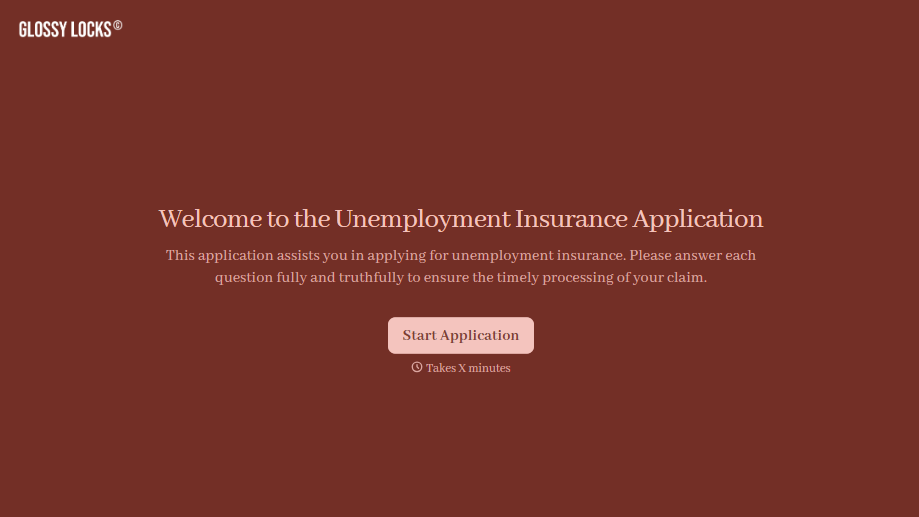
Unemployment Insurance Application Form
A stack of pay stubs gathered the morning of a filing deadline isn't the kind of preparation that gets a claim processed without delay. Collect employment history, separation details, and supporting documents before you sit down at your state's unemployment portal, so a claim doesn't stall over a missing detail.
View template
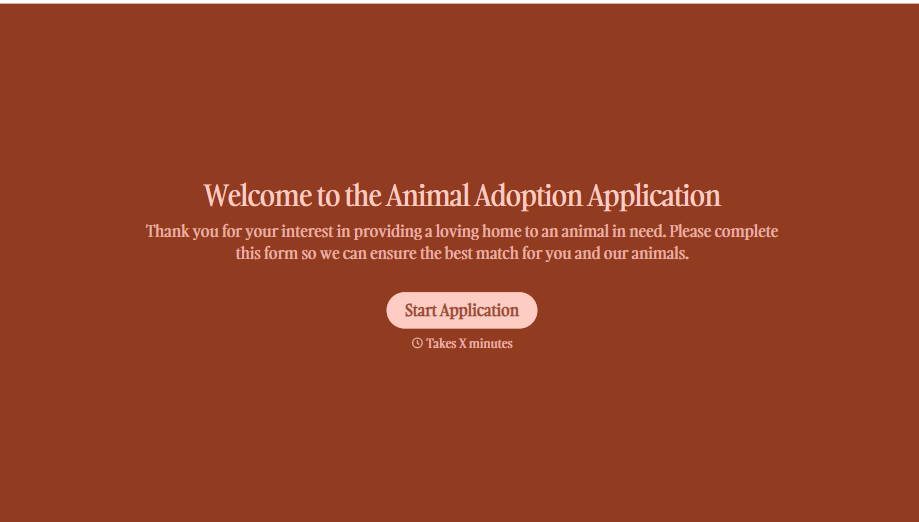
Animal Adoption Application Form
A paper application filled out at the counter while a dog's watching through the window isn't enough information to place an animal in a home that'll actually work. Collect household information, pet experience, and references before adoption day, so your staff aren't approving a placement on a rushed form.
View template
With Typeform, you can customize everything
Change text, colors, and even logos to match the look and feel of your brand. Then embed forms smoothly onto web and email.
Make forms feel effortless to fill out. Pace questions, call people by their name, and adapt the flow based on the data they share.
Stay efficient by connecting forms to your workflow. Typeform integrates with 300+ tools including Slack, Zapier, and HubSpot.