Unemployment Insurance Application Form
A stack of pay stubs gathered the morning of a filing deadline isn't the kind of preparation that gets a claim processed without delay. Collect employment history, separation details, and supporting documents before you sit down at your state's unemployment portal, so a claim doesn't stall over a missing detail.



Filing for unemployment benefits usually means sitting down at a state agency's online portal and answering questions cold, dates of employment, reason for separation, pay history, often while a session timer is running. A missing detail or an inconsistent answer can flag a claim for manual review, adding weeks to a process that's already stressful. Gathering the information beforehand tends to happen in a scramble, if it happens at all.
Typeform's unemployment insurance application form asks for what you'll actually need before you file: your employment history for the relevant base period, the reason for separation, pay and earnings information, and any supporting documents. Conditional logic branches from there. A separation reason like a layoff, reduced hours, or a resignation for cause can route to the specific documentation that reason typically requires, since eligibility rules differ by state and by circumstance, and someone with more than one employer during the base period can route to add each one individually instead of a single field trying to cover all of them. Everything lands in one organized record instead of details pulled together at the last minute.
Connect the form to your case management or HR system through Zapier, and an incomplete submission can get flagged automatically before an appointment or a filing deadline. Ask for it ahead of time, and whoever's helping someone file, a workforce counselor, an HR team, or the claimant themselves, works from a complete, organized picture instead of reconstructing it during the process.
An unemployment insurance application form is an online form used to collect and organize the information a claimant needs before filing for unemployment benefits, employment history, separation details, and pay information, so that information is ready to go rather than gathered on the fly.
Filing directly on a state portal without gathering information beforehand often means answering questions from memory, under time pressure, which can lead to missing details or inconsistencies that flag a claim for review. Organizing the information first means fewer surprises once the actual filing starts.
Ask for what a claimant will actually need to have ready:
- Personal and contact information
- Employment history for the relevant base period, including each employer
- Reason for separation from employment
- Pay and earnings information
- Supporting documents, like a separation notice or recent pay stubs
No. Unemployment insurance claims must be filed directly through your state's official unemployment agency, since eligibility, benefit amount, and any adjudication are determined by that agency, not by this or any other private form. This form is meant to help organize the information needed before filing, not to serve as the claim itself.
Yes. Add a file upload question so claimants can attach pay stubs, a separation notice, or other supporting documents in the same submission, no separate email required. Pair it with conditional logic so the specific documents requested match the claimant's reason for separation.
Get inspired by relevant templates and categories
3200+ Templates, 300+ Integrations
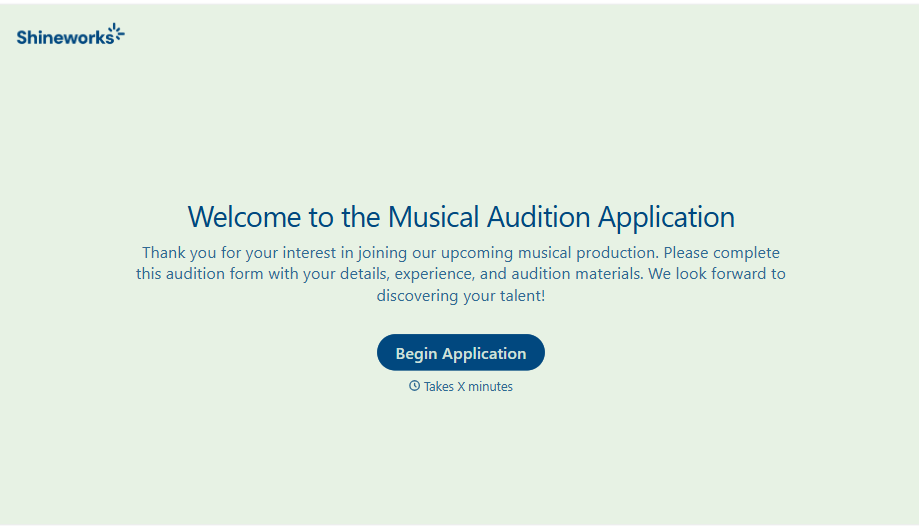
Musical Audition Form
A name scrawled on a sign-up sheet taped near the rehearsal room doesn't tell a director what role someone's after, or whether they can actually make callbacks next Tuesday. Collect what your production actually needs, contact information, role interest, and availability, before audition day arrives.
View template
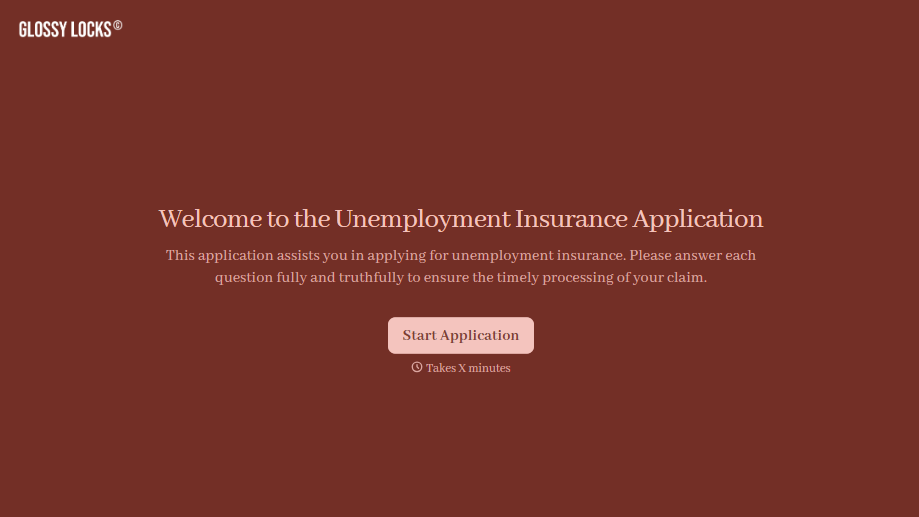
Unemployment Insurance Application Form
A stack of pay stubs gathered the morning of a filing deadline isn't the kind of preparation that gets a claim processed without delay. Collect employment history, separation details, and supporting documents before you sit down at your state's unemployment portal, so a claim doesn't stall over a missing detail.
View template
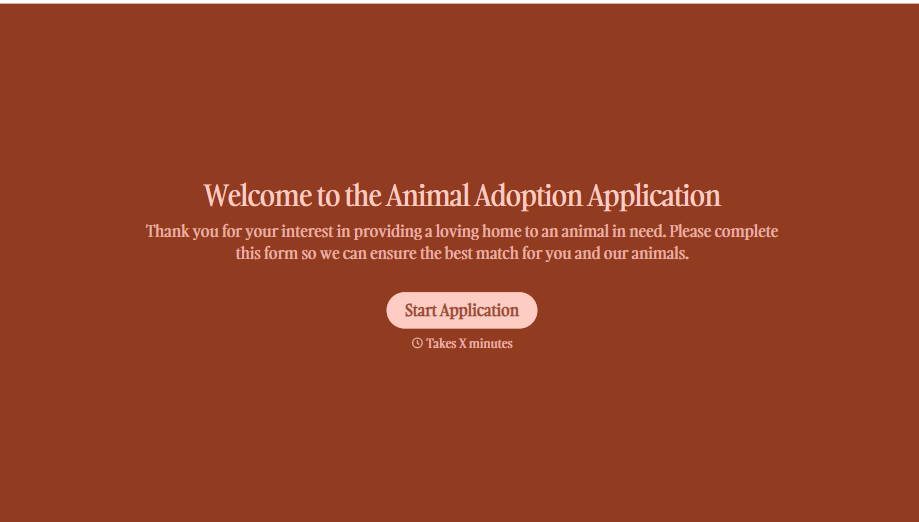
Animal Adoption Application Form
A paper application filled out at the counter while a dog's watching through the window isn't enough information to place an animal in a home that'll actually work. Collect household information, pet experience, and references before adoption day, so your staff aren't approving a placement on a rushed form.
View template
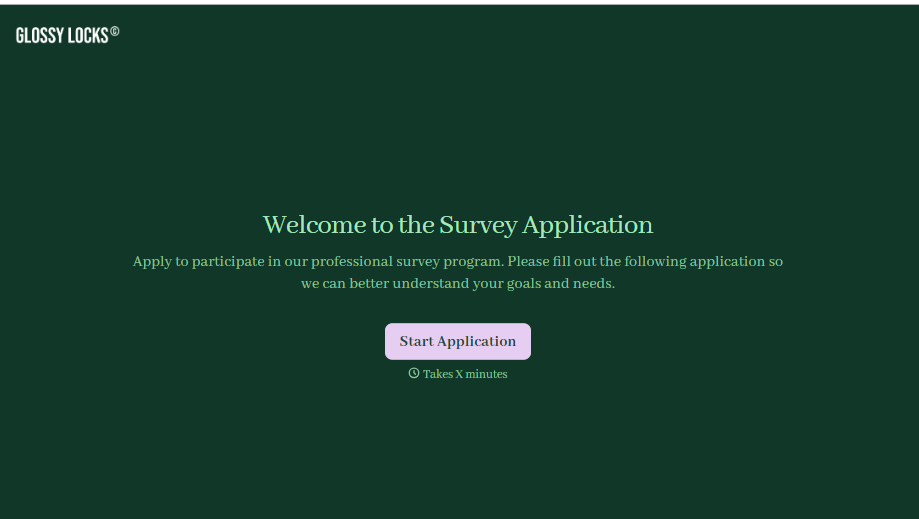
Survey Application Form
A screener that makes someone answer 20 questions before finding out they don't qualify isn't good research design, it's a wasted respondent and a wasted budget. Collect qualifying details upfront, route ineligible applicants out quickly, and send the full survey only to people who actually fit, so your research budget isn't spent on data you can't use.
View template
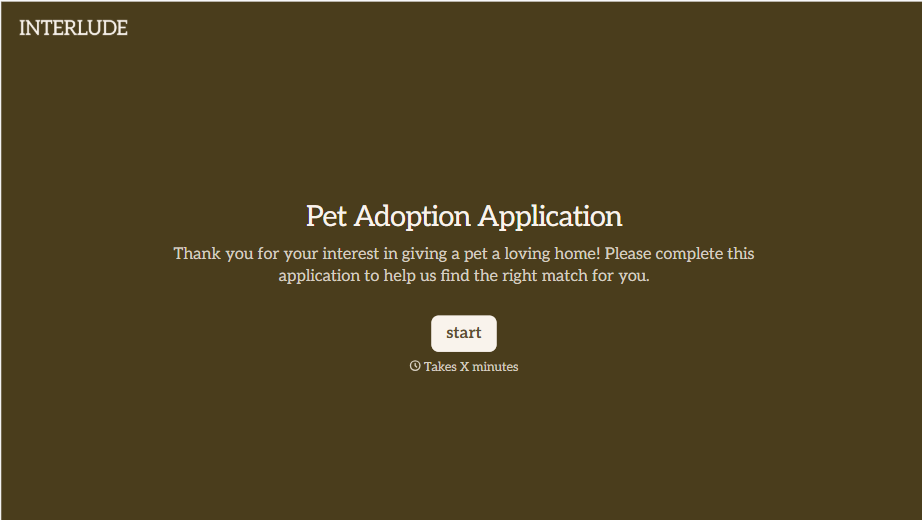
Pet Adoption Application Form
An adoption approved after a quick conversation at the shelter doesn't tell anyone whether the applicant's landlord actually allows pets, and that's usually the detail that sends an animal back a few weeks later. Collect what your shelter actually needs, applicant information, living situation, and experience with pets, before the adoption gets approved.
View template
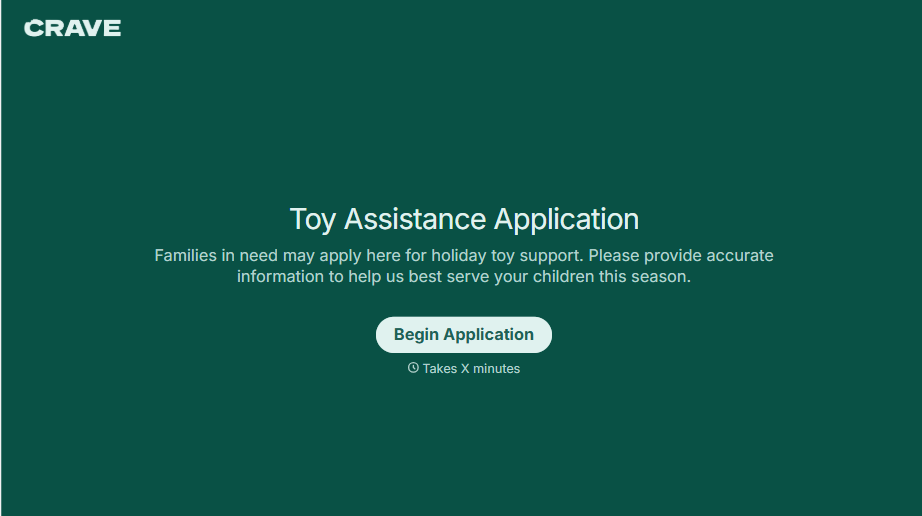
Toys for Tots Application Form
A family filling out a paper intake form at a folding table, or calling a number that goes to voicemail, is how a lot of local Toys for Tots requests still get handled, and every one of those depends on someone manually transcribing names, ages, and contact information before a coordinator can even start matching families to toys. Collect it online instead, so the coordinator's time goes to sourcing and distributing toys, not retyping intake sheets.
View template
With Typeform, you can customize everything
Change text, colors, and even logos to match the look and feel of your brand. Then embed forms smoothly onto web and email.
Make forms feel effortless to fill out. Pace questions, call people by their name, and adapt the flow based on the data they share.
Stay efficient by connecting forms to your workflow. Typeform integrates with 300+ tools including Slack, Zapier, and HubSpot.