Food Diary Form Template
Track what you eat, and finally see the patterns hiding in your plate.



Most people have no idea what they actually eat in a day. Not because they're dishonest because they forget. That snack at 3 PM, the handful of crackers before dinner, the "taste" of batter while baking. A food diary captures it all, turning fuzzy memory into concrete data that nutritionists, doctors, and individuals can actually work with.
This food diary form template makes daily food logging quick and painless. It walks respondents through each meal and snack. What they ate, portion size, timing, and how they felt afterward. In a focused, one-question-at-a-time format. Conditional logic adapts based on the number of meals logged and whether specific dietary concerns (allergies, intolerances, fitness goals) apply.
Share it daily with clients or patients, embed it on your wellness portal, or use it for personal tracking. Responses sync to Google Sheets or Airtable through integrations, making it easy to spot patterns, identify triggers, and inform nutritional recommendations over time.
A food diary form is a structured tool for recording everything a person eats and drinks over a specific period. It captures meal timing, food descriptions, portion sizes, and often qualitative data like hunger levels, mood, or physical symptoms. It's used by nutritionists, dietitians, researchers, and individuals to understand eating patterns and their effects on health.
Anyone managing weight, food sensitivities, chronic conditions, or athletic performance. Nutritionists and dietitians use food diaries to assess client habits and make evidence-based recommendations. Individuals use them for accountability and awareness. Researchers use them in dietary studies. The act of recording alone often improves eating behavior. It's hard to mindlessly snack when you know you're logging it.
- Date and time of each meal or snack
- Detailed food description (ingredients, preparation method)
- Portion size (cups, ounces, or visual comparisons)
- Beverages consumed, including water intake
- Hunger level before eating (scale of 1-5)
- Physical or emotional state after eating
For a useful snapshot, 3-7 consecutive days. Including at least 1 weekend day — provides a representative picture. For ongoing management of a condition or nutrition plan, longer-term logging (2-4 weeks) reveals deeper patterns. The key is consistency: even 3 days of thorough, honest entries are more valuable than 14 days of rushed, incomplete ones.
Absolutely. Customize the questions to focus on what matters for your use case — macro tracking for athletes, trigger identification for IBS patients, sugar intake for diabetes management, or calorie awareness for weight loss. Conditional logic lets you add goal-specific questions without cluttering the form for people with different objectives.
Get inspired by relevant templates and categories
3200+ Templates, 300+ Integrations
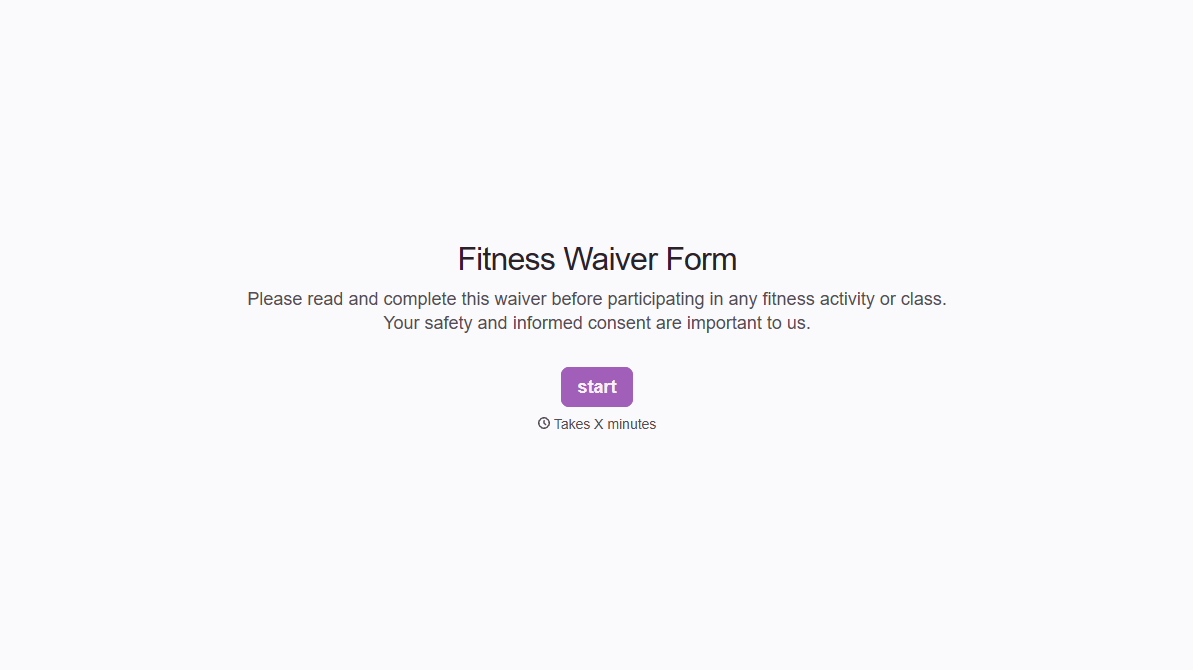
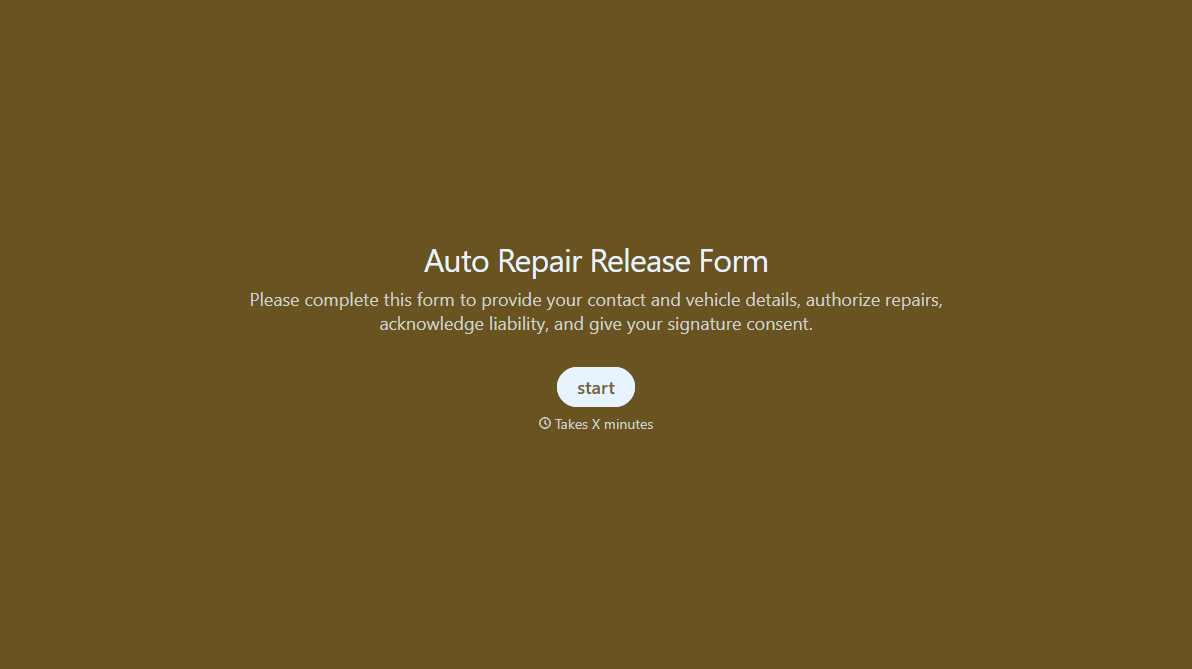
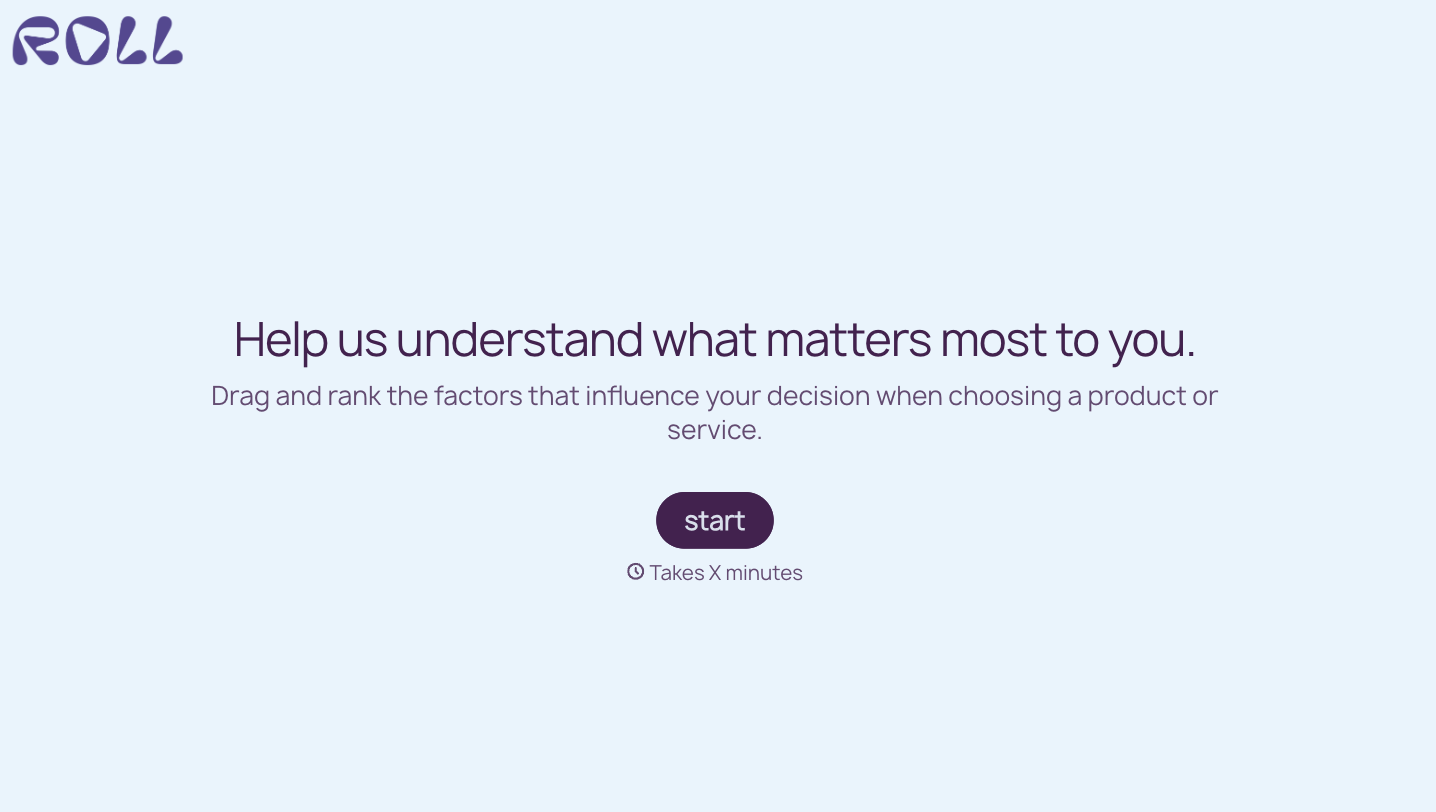


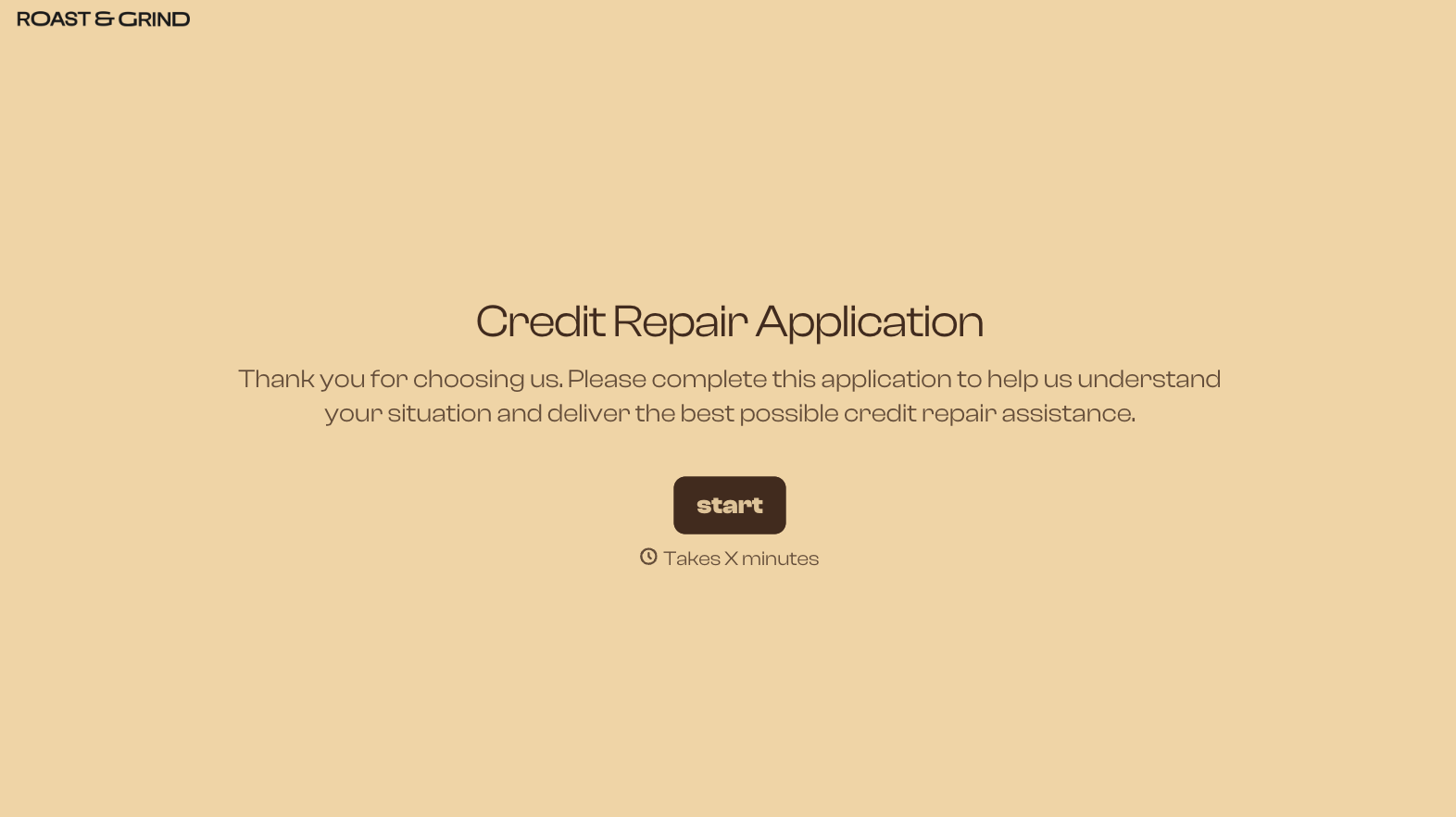
With Typeform, you can customize everything
Change text, colors, and even logos to match the look and feel of your brand. Then embed forms smoothly onto web and email.
Make forms feel effortless to fill out. Pace questions, call people by their name, and adapt the flow based on the data they share.
Stay efficient by connecting forms to your workflow. Typeform integrates with 300+ tools including Slack, Zapier, and HubSpot.