Healthy Relationship Checklist Form
Give clients or students a private, structured checklist to reflect on the patterns in their relationship.



Verbal relationship assessments miss warning signs that clients aren't ready to name out loud. A structured checklist gives people the distance to reflect honestly on patterns they might minimize in conversation. Typeform's healthy relationship checklist template gives counselors and educators a clear process for collecting honest self-assessments from every client.
The checklist covers communication patterns, trust, respect, conflict resolution habits, personal boundaries, and signs of control or coercion. Typeform walks respondents through one question at a time, so the process never feels like a wall of fields. Conditional logic surfaces follow-up questions when a respondent indicates a concerning pattern. Someone who reports restricted independence or frequent criticism sees additional questions that help your team understand the severity and context.
Customize the checklist to match your program's focus, from teen relationship education to adult counseling intake or domestic violence screening. Share via private link ahead of a session, embed it on your organization's website, or distribute it in classroom settings. Every response logs in Google Sheets or Airtable via Zapier, so your team identifies patterns and prioritizes follow-up quickly. Walk into every session with an honest baseline, not a rushed verbal screen that misses the full picture.
A healthy relationship checklist form is a structured digital self-assessment that guides respondents through a set of questions about communication, respect, trust, boundaries, and patterns of control in their relationship. It captures honest, private responses about specific behaviors and dynamics that might not surface in a face-to-face conversation, creating a documented baseline for counselors, educators, and support workers. Think of it as the opening chapter of a structured conversation, not a substitute for it.
Relationship warning signs often go undisclosed in verbal assessments because clients downplay concerning patterns in the presence of a counselor or feel uncertain about naming what they're experiencing. A private checklist removes that pressure and gives respondents the space to reflect honestly without fear of judgment in the moment. The structured responses also give your team specific patterns and behaviors to address in follow-up conversations, rather than relying on what a client voluntarily brings to the session. Use it for counseling intake, domestic violence programs, teen relationship education, family services, and social work assessments.
Cover both healthy indicators and warning signs:
- Communication and active listening during conflict
- Mutual respect and equal decision-making
- Personal space, privacy, and independence
- Trust and jealousy patterns
- Frequency and style of criticism or put-downs
- Comfort with physical affection and personal boundaries
- Patterns of control, isolation, or financial restriction
- Feelings of safety and security in the relationship
Use the completed checklist as the starting point for your session rather than asking the same questions again verbally. Focus the conversation on the areas where the respondent indicated discomfort or concern, using their exact answers as a reference point to open the discussion. For clients who flagged multiple warning signs, conditional logic can surface a referral prompt or resource link at the end of the form before they even reach a counselor.
Duplicate the form and adjust the language for each audience you serve. A teen version uses everyday language and focuses on school-aged relationship dynamics, such as jealousy over friendships and social media monitoring, while an adult version addresses financial control, physical safety, and coercion directly. A workplace version focuses on professional boundaries and power dynamics between colleagues. Each version covers the same core dimensions but frames them in language appropriate to the respondent's context.
Get inspired by relevant templates and categories
3200+ Templates, 300+ Integrations
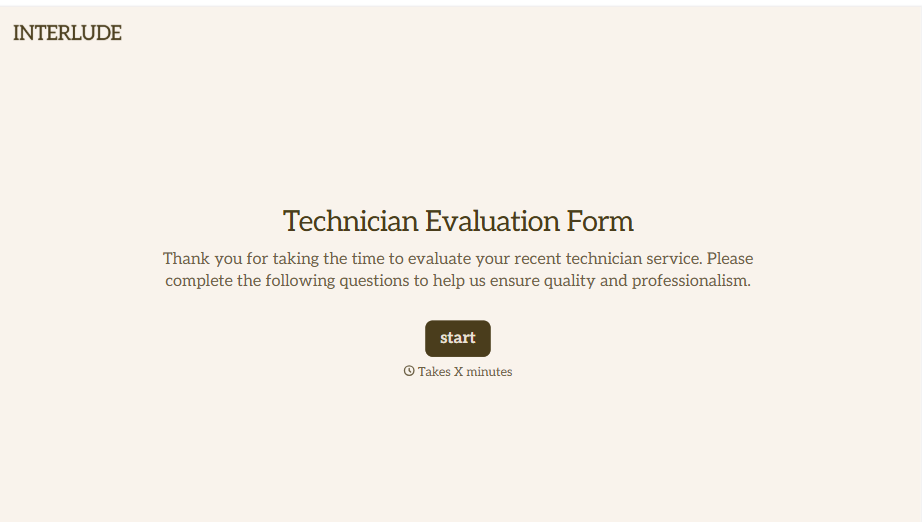
Technician Evaluation Form
A ride-along evaluation scribbled on a clipboard in the truck isn't the kind of record that holds up months later when it's time to talk about a raise or a certification renewal. Collect specific skill, safety, and customer service observations while the job's still fresh, so a technician's review is built on more than a supervisor's memory of the day.
View template
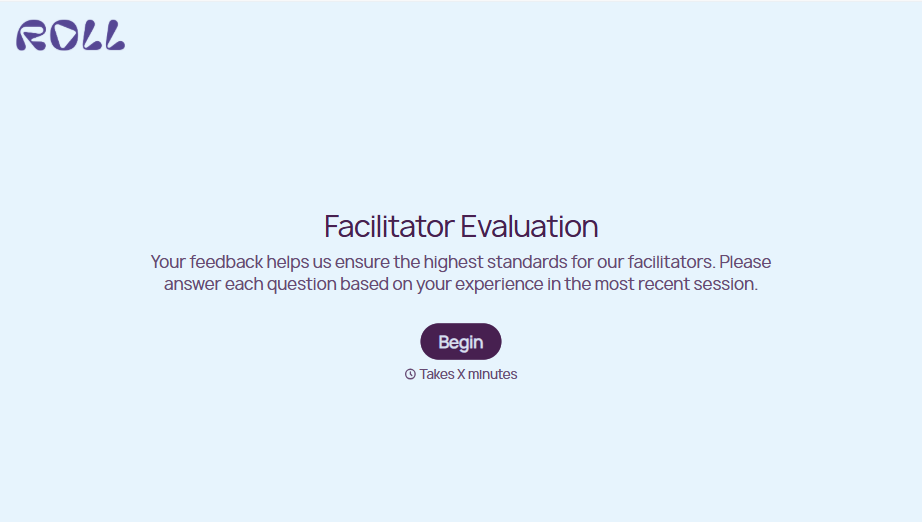
Facilitator Evaluation Form
A round of applause and a few nodding heads doesn't tell your program which facilitator's session actually clicked and which one needs coaching before the next cohort. Collect what your team actually needs, session details, ratings, and specific feedback, before everyone moves on to the next session.
View template
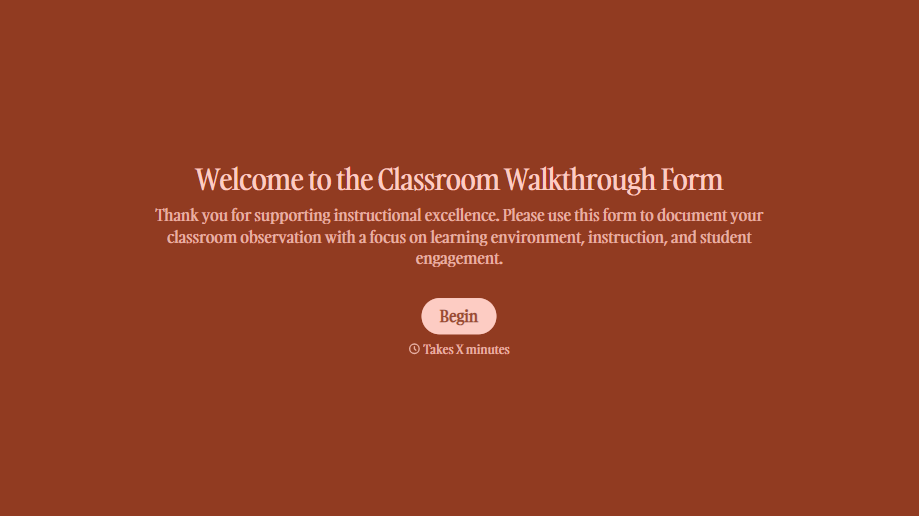
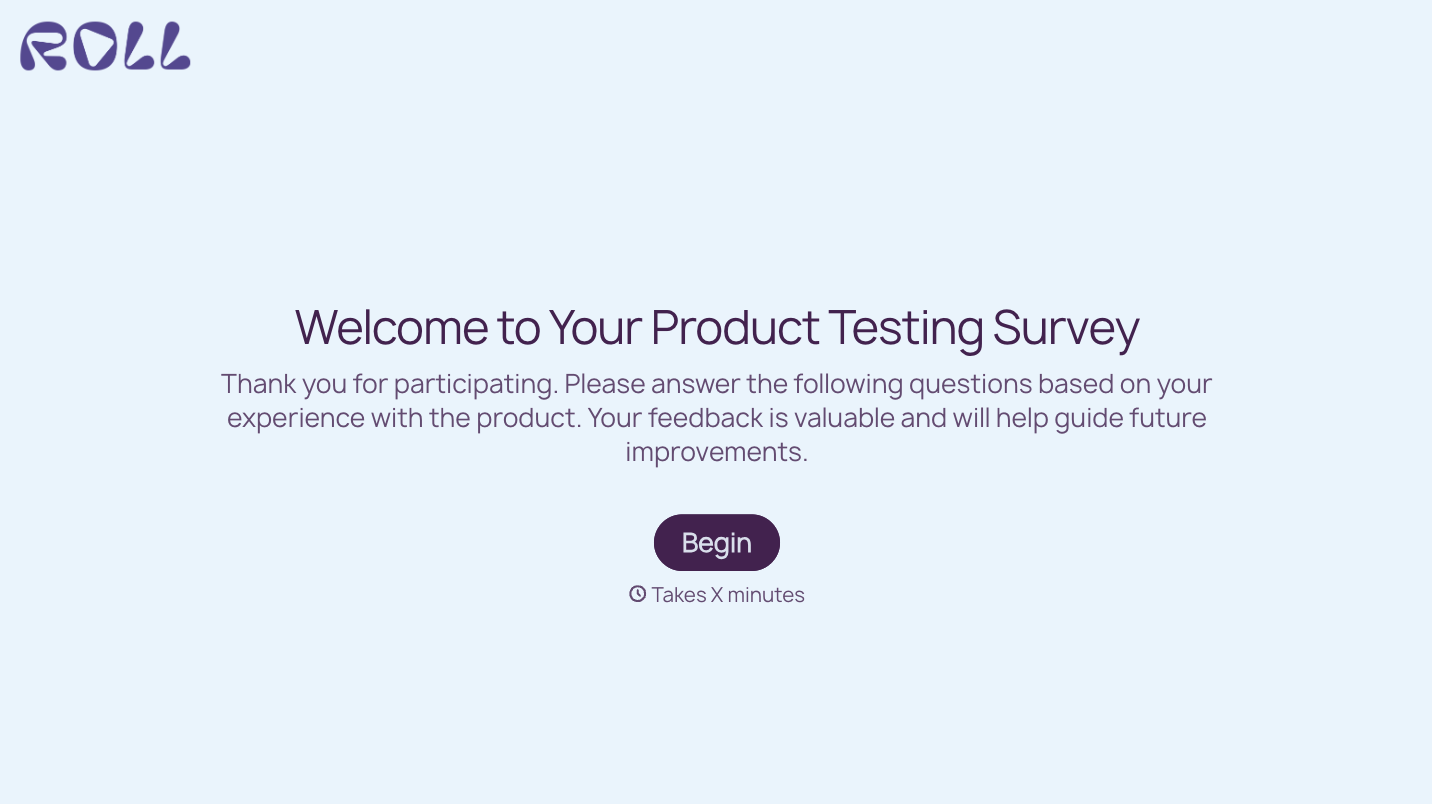

With Typeform, you can customize everything
Change text, colors, and even logos to match the look and feel of your brand. Then embed forms smoothly onto web and email.
Make forms feel effortless to fill out. Pace questions, call people by their name, and adapt the flow based on the data they share.
Stay efficient by connecting forms to your workflow. Typeform integrates with 300+ tools including Slack, Zapier, and HubSpot.