Home Remodeling Contract Form
Give homeowners and contractors a clear record of the work they’ve agreed to. Capture the scope, costs, timeline, and how changes will be approved before the project starts.



The homeowner thought painting was included. The contractor’s estimate covered drywall repairs. Neither finds out until the walls are ready, when sorting it out means another conversation about money. Typeform’s home remodeling contract form helps put those details in writing while there’s still time to agree on them.
Start with the homeowner, contractor, and property details, then describe the work room by room or task by task. Record the materials, total price, payment schedule, and expected start and completion dates. Make space for exclusions, too: what isn’t included can matter just as much as what is.
When plans change, both sides need a way to agree on the extra work and its effect on the price and schedule. Include that process alongside responsibilities for permits, site access, and cleanup. The homeowner gets a clearer picture of what they’re paying for. The contractor gets a record of what they’ve agreed to deliver.
A home remodeling contract form records the agreement between a homeowner and a contractor for a renovation project. It brings together the work to be done, materials, costs, payment terms, and schedule so both sides have something specific to refer to throughout the job.
A walkthrough and an estimate can leave plenty unsaid. Who buys the fixtures? Does the price include removing the old cabinets? What happens if the homeowner changes the layout? A home remodeling contract form prompts those conversations before work begins, when decisions are easier to make and budget for.
Include enough detail for both sides to understand the job:
- Homeowner, contractor, and property details
- Scope of work, materials, and exclusions
- Project price and payment schedule
- Expected start and completion dates
- Responsibilities for permits, access, and cleanup
- A process for approving changes and additional costs
- Warranty, cancellation, and dispute terms
- Signatures and dates
Contract requirements vary by location and project, so have the finished agreement reviewed for local requirements before using it.
Follow the order people think about the project: the property, the work, the cost, then the terms. Use separate sections for each part and give concrete prompts, such as “List the fixtures the homeowner will supply.” Where the setup allows, attach estimates, plans, or material schedules instead of asking someone to retype them. Keep the questions clear without leaving out details the agreement needs.
Yes. Include a process for documenting and approving changes before the additional work starts. Each change should describe the revised work, the added or reduced cost, and any effect on the completion date. Keeping those approvals with the original agreement gives both sides a record to check when questions come up.
Get inspired by relevant templates and categories
3200+ Templates, 300+ Integrations
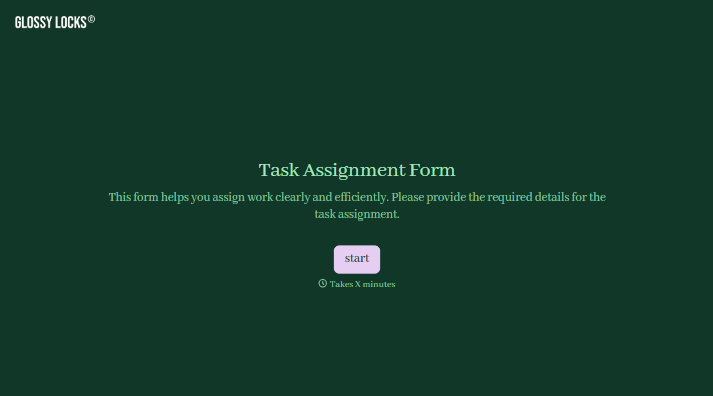


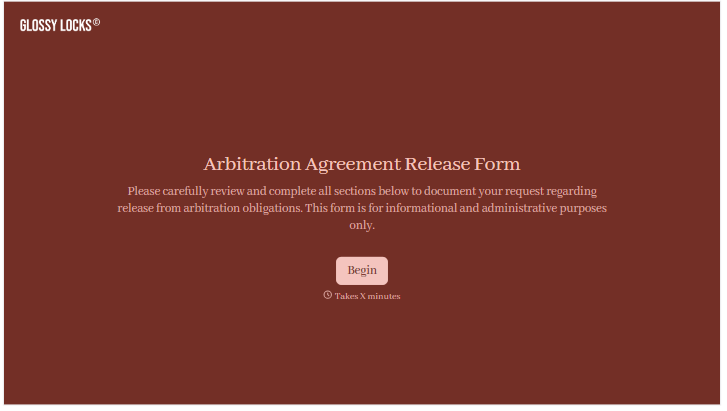
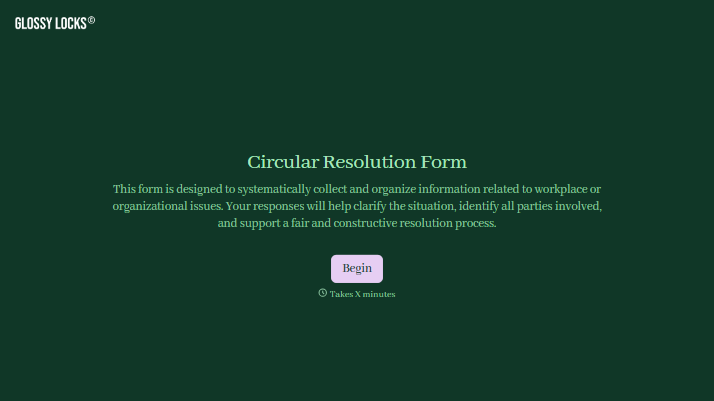

With Typeform, you can customize everything
Change text, colors, and even logos to match the look and feel of your brand. Then embed forms smoothly onto web and email.
Make forms feel effortless to fill out. Pace questions, call people by their name, and adapt the flow based on the data they share.
Stay efficient by connecting forms to your workflow. Typeform integrates with 300+ tools including Slack, Zapier, and HubSpot.