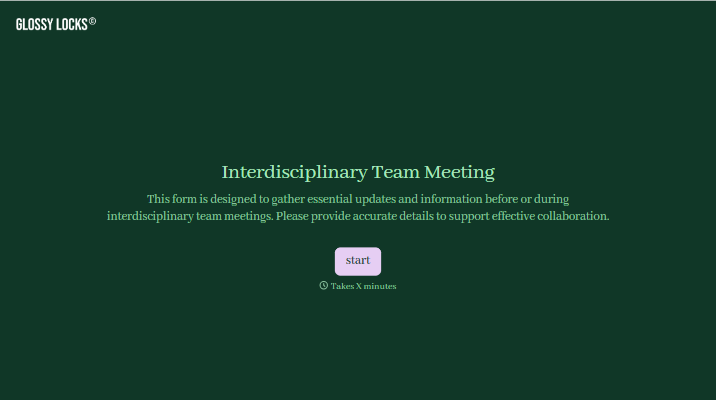
Interdisciplinary Team Meeting Template
Give people from different disciplines a shared place to prepare, record decisions, and assign next steps. Collect updates, discussion points, and action owners so everyone leaves knowing what happens next.



Three specialists discuss the same issue from three different perspectives. Each contributes useful information, but the meeting ends without anyone being sure who will follow up. An interdisciplinary team meeting template helps turn those contributions into a shared record and clear responsibilities.
Team members add relevant updates and questions before the meeting. During the discussion, you can record decisions, unresolved concerns, and actions that depend on another person’s input. Give each action an owner and a due date so the work has somewhere to go after the conversation ends.
The team gets a record it can return to at the next meeting. Participants can see how their responsibilities connect and flag anything that remains unclear. Time that would have gone into reconstructing the last discussion can go toward reviewing progress.
An interdisciplinary team meeting template organizes discussions between people with different areas of expertise. It provides a consistent structure for updates, shared goals, decisions, and follow-up actions. Teams use it to coordinate work that requires input from more than one discipline.
Different team members may focus on different priorities or use unfamiliar terms. A shared template helps connect their updates to the purpose of the meeting. It also keeps decisions and responsibilities visible, reducing uncertainty about what was agreed and who should act.
Include the information needed to guide the discussion and document its outcome:
- Meeting date, purpose, and facilitator
- Participants and their roles
- Shared goals or issues for discussion
- Relevant updates from each discipline
- Progress on previous actions
- Decisions and the reasons behind them
- Unresolved questions or differing views
- New actions, owners, and due dates
- Next meeting or review date
Keep background information relevant to the discussion and use your organization’s approved process for sensitive records.
Share the agenda in advance and distinguish items that need a decision from those provided for awareness. Ask participants to explain how their updates affect the shared goal. Before moving to the next topic, confirm the decision, any remaining question, and who is responsible for following up.
Yes. Keep a consistent structure and bring forward outstanding actions with their owners and due dates. Update the agenda for the current priorities rather than copying every previous discussion. Start by checking progress and close by confirming the actions each person will take before the next meeting.
Get inspired by relevant templates and categories
3200+ Templates, 300+ Integrations
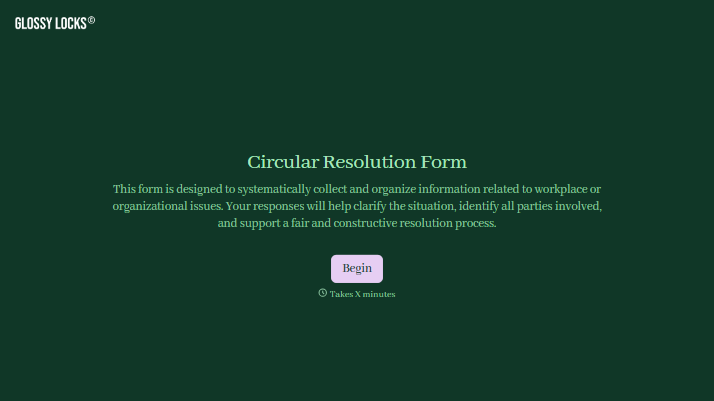
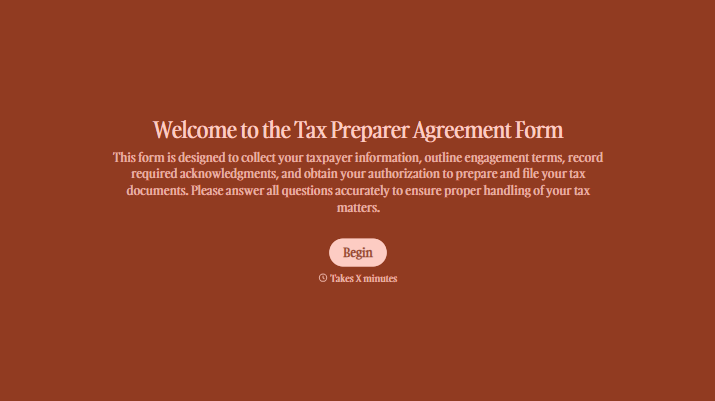
With Typeform, you can customize everything
Change text, colors, and even logos to match the look and feel of your brand. Then embed forms smoothly onto web and email.
Make forms feel effortless to fill out. Pace questions, call people by their name, and adapt the flow based on the data they share.
Stay efficient by connecting forms to your workflow. Typeform integrates with 300+ tools including Slack, Zapier, and HubSpot.