Shipment Status Monitoring Form
Give logistics teams and businesses an easy way to monitor shipments with a form that collects tracking numbers, carrier information, and delivery details. Keep shipment records organized so teams can track delivery progress, identify potential delays, and communicate shipping updates to customers and stakeholders.



An online retailer needs to monitor outgoing customer orders. A warehouse manager wants to track incoming inventory shipments from multiple suppliers. While they both need accurate shipping information, their tracking priorities and delivery requirements differ. A shipment status monitoring form helps businesses collect shipment details and maintain organized records throughout the delivery process.
Employees, shipping coordinators, or customers provide tracking numbers, carrier information, and expected delivery dates. You can include fields for shipment origins, destinations, package contents, and current delivery status. Questions about shipping methods, delivery deadlines, and reported delays help logistics teams identify shipments that may require additional attention.
Your team receives organized shipment information without relying on scattered emails or separate tracking documents. Logistics coordinators review submissions, check carrier updates, and follow up on delayed or missing deliveries. Businesses get a structured way to manage shipment records, coordinate with carriers, and keep customers informed about their orders.
A shipment status monitoring form collects information about packages or freight shipments that businesses need to track throughout the shipping process. It generally includes tracking numbers, shipping carriers, shipment dates, delivery destinations, expected arrival dates, and current status information. Logistics teams, retailers, and warehouse managers can use it to organize shipment records, identify delivery issues, and coordinate follow-up actions when necessary.
Managing shipment information through individual emails, spreadsheets, or multiple carrier websites can make it difficult to identify delayed deliveries and maintain accurate records. A structured monitoring form collects consistent information about each shipment, including tracking details, delivery expectations, and reported issues. It helps logistics teams organize shipping records, prioritize follow-ups, and communicate updates while reducing administrative work and improving visibility into delivery operations.
Include questions that help businesses document shipment details and monitor delivery progress, like:
- What is your full name?
- What is your preferred contact email?
- What is your phone number?
- What company or department are you submitting this shipment for?
- What is the shipment tracking number?
- Which shipping carrier is handling the shipment?
- What is the order or reference number?
- What is the shipment's origin address?
- What is the delivery destination?
- Who is the intended recipient?
- What is the recipient's contact information?
- What is the shipment date?
- What is the estimated delivery date?
- What type of items are being shipped?
- How many packages are included in the shipment?
- What shipping method or service level was selected?
- What is the shipment's current status?
- When was the shipment status last verified?
- Has the carrier reported any delays or delivery exceptions?
- Is the shipment subject to a specific delivery deadline?
- Does the shipment require a signature upon delivery?
- Are there any special handling or delivery instructions?
- Have you contacted the carrier about any reported issues?
- Would you like to receive updates about the shipment's progress?
- Is there any additional information the logistics team should know?
You can customize the questions to match your shipping procedures, carrier relationships, and shipment monitoring requirements.
Use dropdown menus for shipping carriers, service levels, and shipment status categories. Include multiple-choice questions for delivery issues, signature requirements, and notification preferences. Conditional logic can display additional questions when users report delayed, damaged, or missing shipments. Keep the tracking number and order reference fields clearly labeled to prevent confusion. Provide brief explanations of common shipping statuses and allow users to upload relevant shipping documents when necessary. Limit required fields to essential tracking information so users can submit updates quickly.
Yes. A shipment status monitoring form helps businesses collect information about expected delivery dates, current shipment statuses, and reported transportation issues. Logistics coordinators can review submissions, identify shipments that require attention, and follow up with carriers when delivery problems arise. The collected information also supports customer communication, internal reporting, and documentation of recurring shipping issues.
Businesses can use these records to compare expected and actual delivery dates, investigate common causes of delays, and improve shipping procedures. However, a form alone does not provide real-time tracking. Businesses must verify shipment statuses through carrier systems or connect their form submissions to compatible tracking tools to receive automated delivery updates.
Get inspired by relevant templates and categories
3200+ Templates, 300+ Integrations

Point of Sale Agreement Extension Form
Give businesses a straightforward way to request extensions to existing point of sale agreements with a form that collects contract details, extension terms, and authorization information. Keep requests organized so service providers can review agreements, coordinate renewals, and maintain accurate contract records.
View template
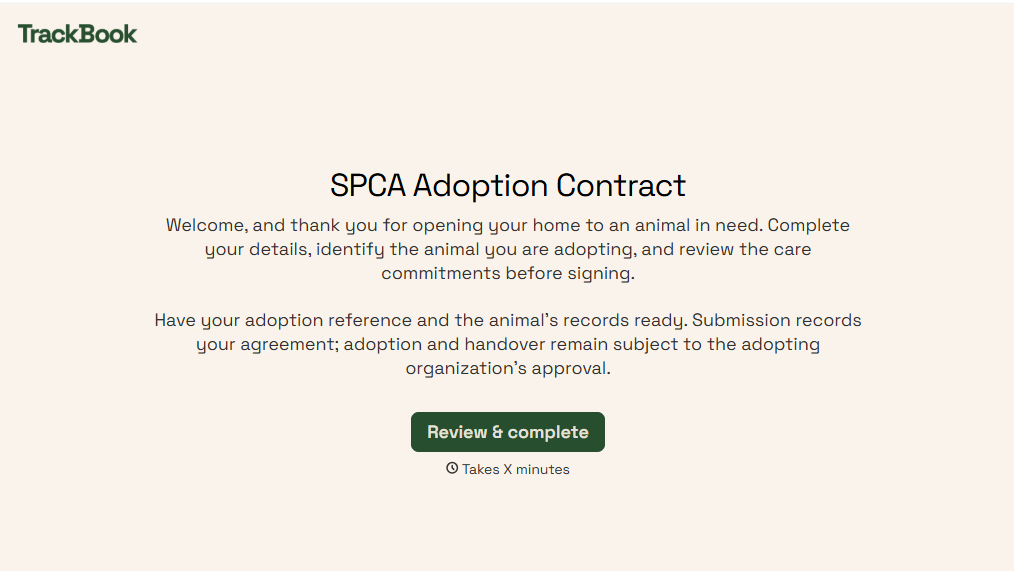
SPCA Adoption Contract Form
Give animal shelters an efficient way to finalize pet adoptions with a form that collects adopter information, pet details, and adoption agreements. Keep records organized so your team can verify requirements, document responsibilities, and help animals transition into their new homes.
View template

Shipment Status Monitoring Form
Give logistics teams and businesses an easy way to monitor shipments with a form that collects tracking numbers, carrier information, and delivery details. Keep shipment records organized so teams can track delivery progress, identify potential delays, and communicate shipping updates to customers and stakeholders.
View template
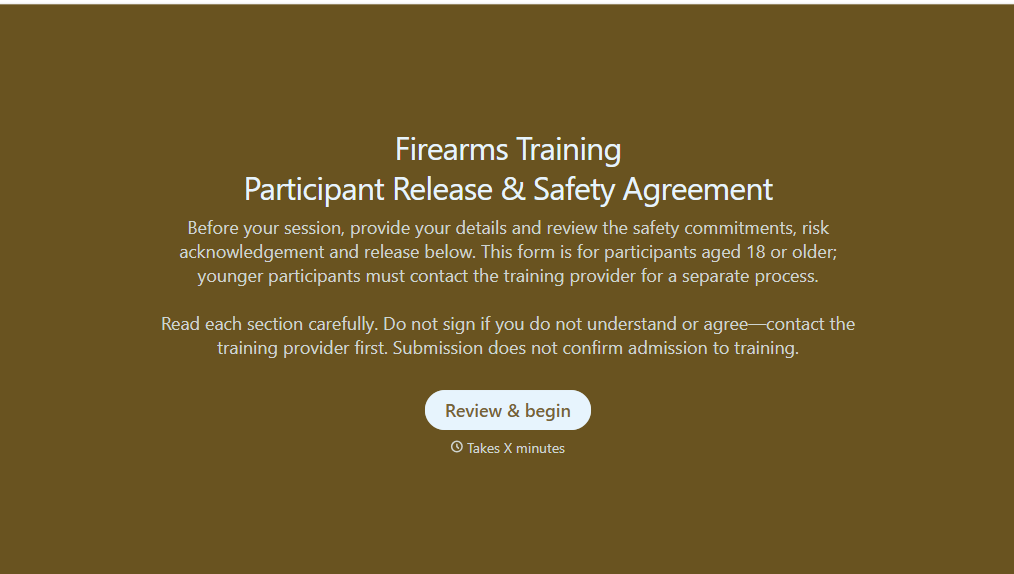
Firearms Training Release Form
Give shooting ranges, firearms instructors, and training organizations a straightforward way to document participant acknowledgments with a form that collects personal information, safety agreements, and liability release details. Keep records organized so training providers can verify required documentation, communicate safety expectations, and prepare participants for supervised firearms training activities.
View template
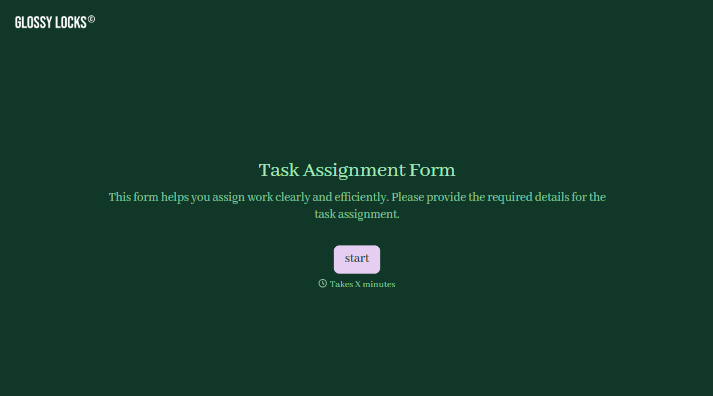

With Typeform, you can customize everything
Change text, colors, and even logos to match the look and feel of your brand. Then embed forms smoothly onto web and email.
Make forms feel effortless to fill out. Pace questions, call people by their name, and adapt the flow based on the data they share.
Stay efficient by connecting forms to your workflow. Typeform integrates with 300+ tools including Slack, Zapier, and HubSpot.