Hospital Discharge Form Template
Ensure patients and care teams have a complete, clear record of discharge instructions and follow-up requirements. This template captures what matters most for a safe transition out of the hospital.



Hospital readmissions are often preventable. Many happen because patients don't fully understand their discharge instructions — what medications to take, what symptoms warrant a return visit, which follow-up appointments to make. When discharge documentation is rushed or incomplete, those gaps become patient safety risks.
A structured discharge form captures the key information systematically, ensuring nothing is overlooked in the rush of a discharge. Typeform's conditional logic can adapt the form based on diagnosis or care pathway — a cardiac patient sees different follow-up instructions than an orthopedic patient. The format is clear enough for patients to review and understand, not just sign.
Customize the fields to your clinical protocols, connect the form to your patient record system, and support safer transitions home.
A hospital discharge form is a document completed at the end of a hospital stay that records the patient's diagnosis, treatment received, discharge condition, medications, follow-up care requirements, and warning signs that should prompt a return to care. It serves both as a patient resource and as a clinical record of the discharge plan.
Discharge is a critical transition point in care. Clear, complete discharge documentation reduces readmission rates, supports medication adherence, and ensures patients know when to seek additional care. It also creates a record that other providers — primary care physicians, specialists, pharmacists — can use to understand what happened during the hospital stay.
A complete discharge form covers clinical status, medications, and next steps. Consider including:
- Patient name, date of birth, and medical record number
- Admitting diagnosis and procedures performed
- Condition at discharge
- Current medications with dosage and frequency
- Medications stopped during hospitalization
- Activity restrictions
- Dietary instructions
- Wound care or dressing change instructions
- Signs and symptoms that require emergency attention
- Follow-up appointment details (provider, date, time)
- Contact information for the discharging care team
Discharge forms should be written at a reading level accessible to the general public — typically 6th-8th grade reading level. Use plain language, numbered steps, and clear headers rather than clinical terminology. Consider including a brief teach-back section at the end where patients confirm they understand key points. Verbal review by a nurse or case manager alongside the written form significantly improves comprehension and follow-through.
Include a section for the patient to confirm consent to share the discharge summary with their primary care provider and any specialists involved in their ongoing care. Connect the form to your EHR or care coordination system so the discharge record is automatically available to authorized providers. Timely, complete communication with outpatient care teams is one of the strongest predictors of successful post-discharge outcomes.
Get inspired by relevant templates and categories
3200+ Templates, 300+ Integrations
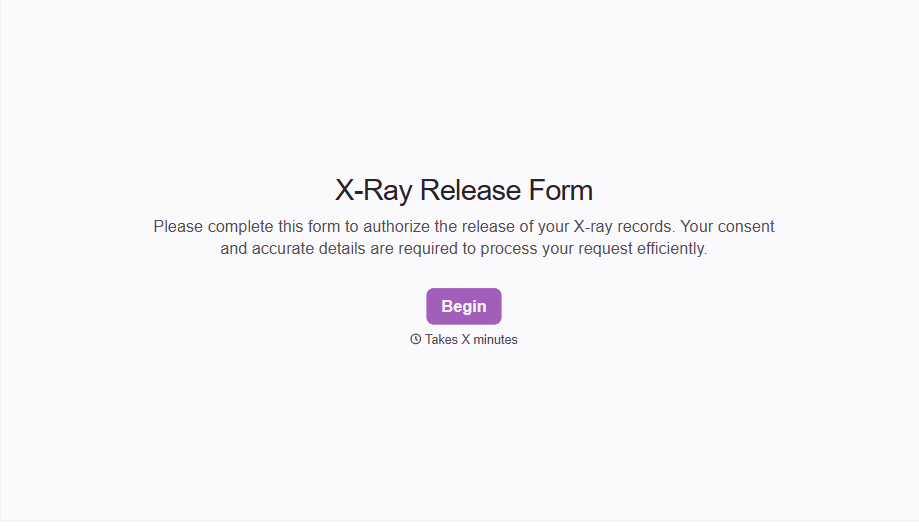
X-Ray Release Form
A phone call asking to send X-rays to a new provider isn't an authorization your compliance file can rely on. Collect patient information, the receiving provider's details, and a signed authorization before the images go out, so your front desk isn't scrambling to prove who approved a release.
View template
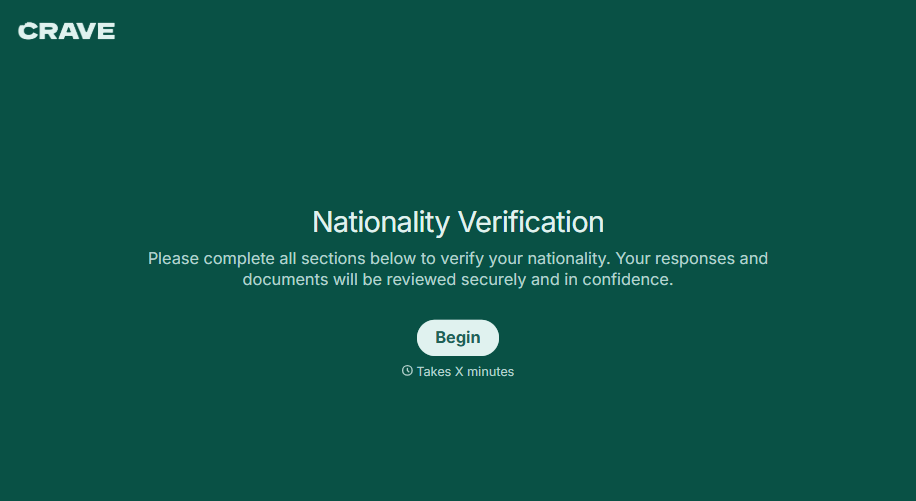
Nationality Verification Form
A self-certification buried in a stack of new account paperwork isn't the kind of record a compliance team can rely on for a regulatory filing. Collect nationality, tax residency, and a signed declaration before an account opens, so compliance isn't chasing down a customer's citizenship status after the fact.
View template
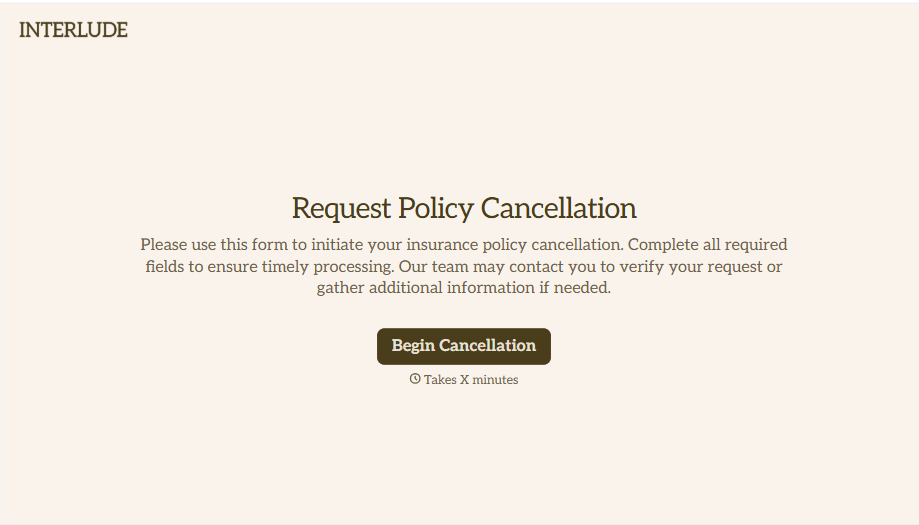
Policy Cancellation Form
A cancellation requested over the phone doesn't leave a clear record of exactly what date the policyholder actually asked for, and that date matters more than it sounds like it should. Collect what your agency actually needs, policy details, identity verification, and the requested effective date, before coverage actually ends.
View template
Inheritance Beneficiary Form
Asking a grieving family member for the same banking details across three different phone calls doesn't make settling an estate go any faster. Collect what your firm actually needs, beneficiary information, identification, and distribution details, in one submission instead of three calls.
View template
Palliative Care Assessment Form
A symptom check done verbally during a rushed home visit isn't the kind of record that shows whether pain management is actually working from one visit to the next. Collect symptom severity, functional status, and psychosocial needs consistently, so a care team can see change over time instead of relying on memory of the last visit.
View template
With Typeform, you can customize everything
Change text, colors, and even logos to match the look and feel of your brand. Then embed forms smoothly onto web and email.
Make forms feel effortless to fill out. Pace questions, call people by their name, and adapt the flow based on the data they share.
Stay efficient by connecting forms to your workflow. Typeform integrates with 300+ tools including Slack, Zapier, and HubSpot.