Inventory Transfer Form
Record what left and what arrived, so a transfer reconciles instead of becoming a variance. Collect the items, quantities, and both confirmations in one transfer.



A transfer is two records that have to match, and most processes only capture one. Log the dispatch and stock sits in transit indefinitely. Log the receipt and you never learn what left. The gap between them is where shrinkage lives. If nobody records both ends, you meet it months later as an unexplained variance at stocktake. Typeform's inventory transfer form captures the send and the receipt against the same line items, so a discrepancy shows up the day it happens.
Whoever sends the stock lists each item, quantity, and where it's going. A dispatch brings up the carrier, the expected arrival, and who packed it, while a receipt brings up the count that arrived and any damage. When the two don't agree, the form asks the receiver to say by how much instead of only flagging that something's off.
Every transfer closes with both ends on record and a variance you can see rather than infer. Somebody investigates a short count while they still remember the pallet, not at the next stocktake when the trail has gone cold.
An inventory transfer form is an online form for recording stock moving between locations, from dispatch through to receipt. It collects each item and quantity, where it's going, who sent it, what arrived, and any discrepancy between the two. Warehouse and retail teams use inventory transfer forms to reconcile both ends of a transfer rather than trusting that what left arrived.
Without an inventory transfer form, a transfer is a note on a packing slip and a count somebody may or may not do. Stock leaves one location's system and appears in another's whenever someone gets round to entering it, and a short shipment turns into two sets of numbers that are both wrong. An inventory transfer form records the send and the receipt against the same lines, so the discrepancy is visible instead of absorbed.
Capture what has to reconcile:
- Items, SKUs, and quantities sent
- Origin and destination
- Who dispatched it and when
- Quantity actually received
- Damage or discrepancy, with the amount
Make the receipt its own submission rather than a signature on a slip. Someone unpacking will shelve first and count later if counting is optional. Ask for the received quantity on every line and make it required,so nobody can sign off without actually counting. Keeping the receipt limited to the lines on the transfer so it takes a minute to fill in. That minute is the difference between getting a real count and not getting one at all.
Yes. Add the batch, lot, or serial number alongside each line, and it travels with the transfer to the receiving end. For anything with an expiry date or a recall risk, that field is what lets you trace where a specific batch went. A quantity on its own can’t tell you that.
Get inspired by relevant templates and categories
3200+ Templates, 300+ Integrations
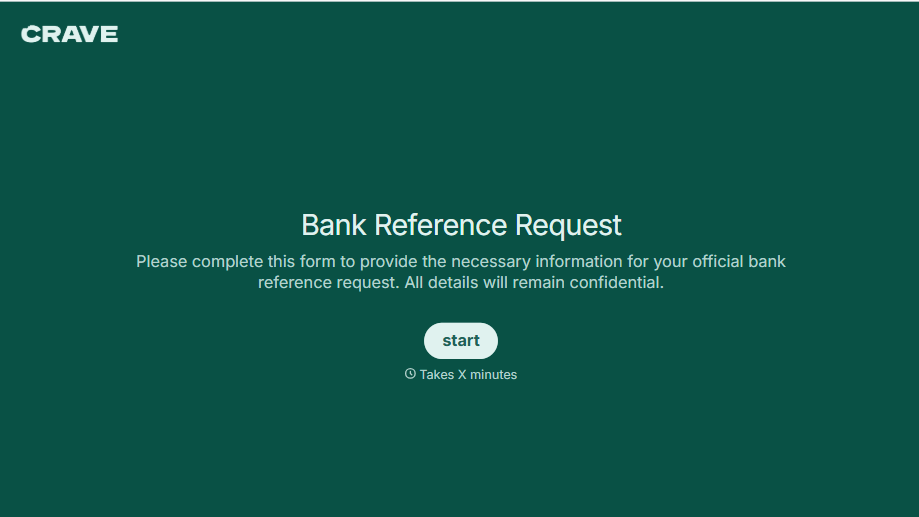
Bank Reference Form
A reference request faxed to a bank branch and left sitting in a queue for weeks isn't the kind of turnaround a landlord or business can wait on. Collect the applicant's signed authorization and the specific details you need confirmed before the request even reaches the bank, so a decision isn't stuck behind a letter that hasn't come back yet.
View template
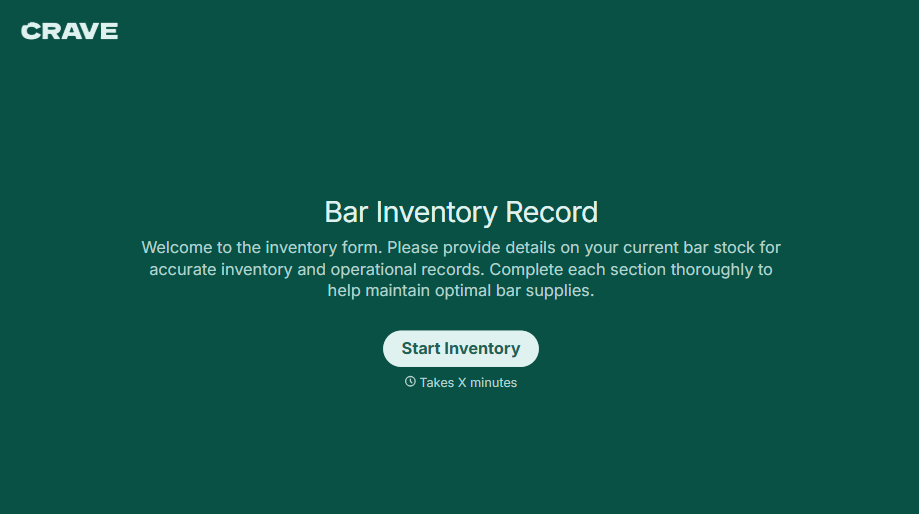
Bar Inventory Form
A bottle count eyeballed at the end of a shift and scrawled on a paper sheet doesn't hold up against a pour cost report that says something doesn't add up. Collect what your bar actually needs, item, count, and variance, on a schedule you can actually compare week to week.
View template
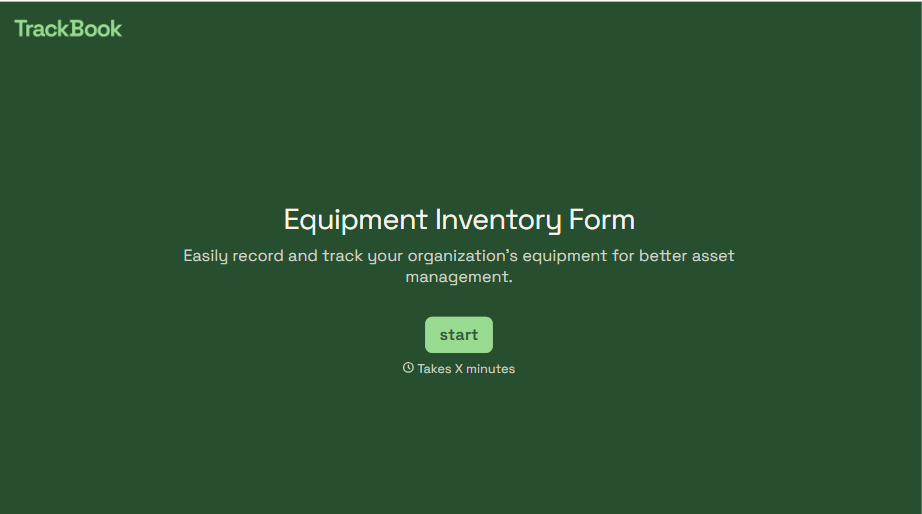
Equipment Inventory Form
Equipment that leaves a storage room in someone's arms, with no note about where it went, doesn't show up again until someone needs it and can't find it. Collect what your team actually needs, item details, condition, and who's got it, every time something moves.
View template
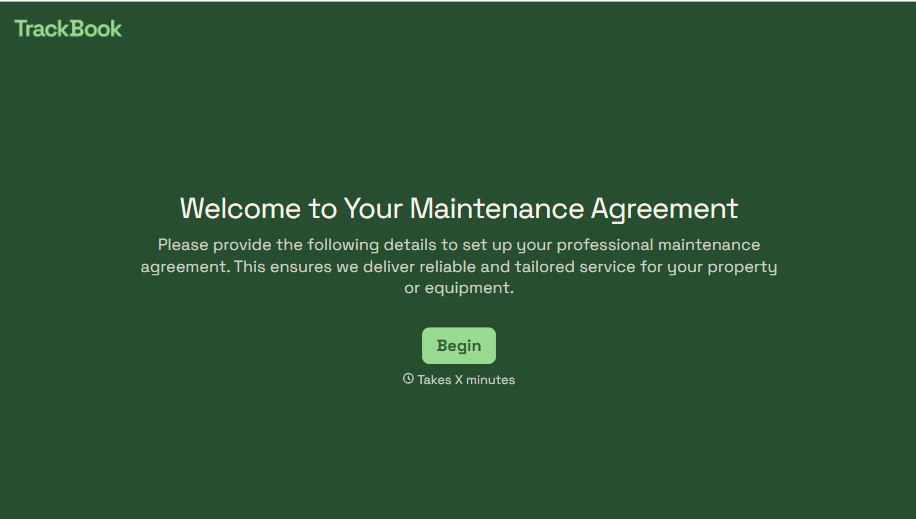
Maintenance Agreement Form
A maintenance plan agreed to over the phone isn't a contract your service team can actually work from, especially when nobody's sure whether the twice-a-year tune-up was part of the deal. Collect the equipment covered, service frequency, and a signed agreement before the first visit, so your team isn't guessing at scope once they're on-site.
View template
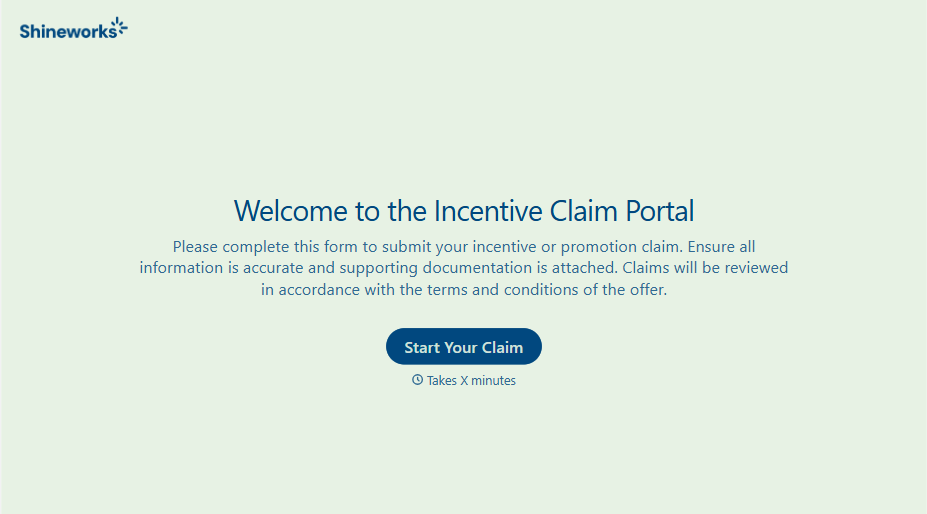
Incentive Claim Form
A rebate claim mailed in with a stapled stack of receipts isn't the kind of paperwork that gets processed quickly, especially when a required serial number turns out to be missing from page three. Collect proof of purchase, product details, and participant information upfront, so a claim doesn't bounce back for a missing document weeks later.
View template
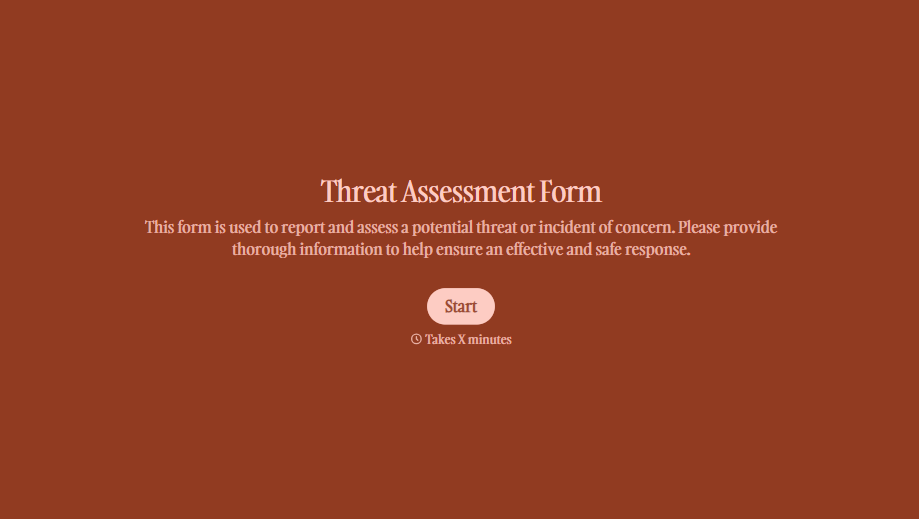
Threat Assessment Form
A concerning comment that gets passed from a teacher to a counselor to whoever's free that period loses detail with every retelling. Collect what your team actually needs, what was observed or reported, who was involved, and when, before an important detail gets dropped along the way.
View template
With Typeform, you can customize everything
Change text, colors, and even logos to match the look and feel of your brand. Then embed forms smoothly onto web and email.
Make forms feel effortless to fill out. Pace questions, call people by their name, and adapt the flow based on the data they share.
Stay efficient by connecting forms to your workflow. Typeform integrates with 300+ tools including Slack, Zapier, and HubSpot.