Medication Reconciliation Form Template
Compare and reconcile medication lists accurately at every transition point in a patient's care.



Medication errors at care transitions are a significant patient safety risk. When a patient moves between care settings and no one has a complete, current list of their medications, duplications, omissions, and dangerous interactions can result.
A Typeform medication reconciliation form gives your clinical team a structured way to capture and compare a patient's current medications against what's been prescribed or administered. Conditional logic lets you flag discrepancies or add follow-up questions for high-risk medications without slowing down the process for straightforward cases. Every completed form creates a dated, searchable record tied to the patient.
Customize the form with your facility's medication categories, required fields, and clinical sign-off steps. It can be completed at admission, discharge, or any transfer point in the care pathway.
A medication reconciliation form is a clinical document used to create and verify a complete list of a patient's current medications at transitions of care. The goal is to identify and resolve any discrepancies between what the patient is taking and what has been prescribed or ordered.
Medication errors are one of the most common preventable patient safety events. A standardized reconciliation form ensures every transition point is documented, discrepancies are flagged, and the care team has an accurate medication list at all times.
Build the form around the key clinical data points:
- Patient name, date of birth, and care setting
- Current home medications (name, dose, frequency, route)
- Medications prescribed or administered in the current care episode
- Allergies and adverse drug reactions
- Discrepancies identified and resolution notes
- Clinician name and sign-off
In most care settings, medication reconciliation is a shared responsibility involving nurses, pharmacists, and physicians. The form should include a field identifying who completed it and in what role, so accountability is clear at every stage.
At discharge, a completed reconciliation form gives patients and outpatient providers a clear, current medication list. You can build in a discharge-specific section that flags new prescriptions, stopped medications, and any changes made during the admission.
Get inspired by relevant templates and categories
3200+ Templates, 300+ Integrations
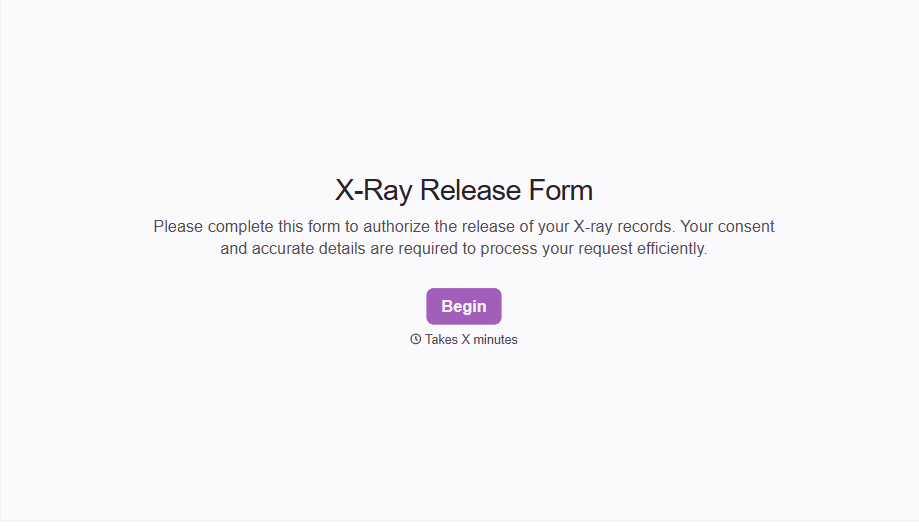
X-Ray Release Form
A phone call asking to send X-rays to a new provider isn't an authorization your compliance file can rely on. Collect patient information, the receiving provider's details, and a signed authorization before the images go out, so your front desk isn't scrambling to prove who approved a release.
View template
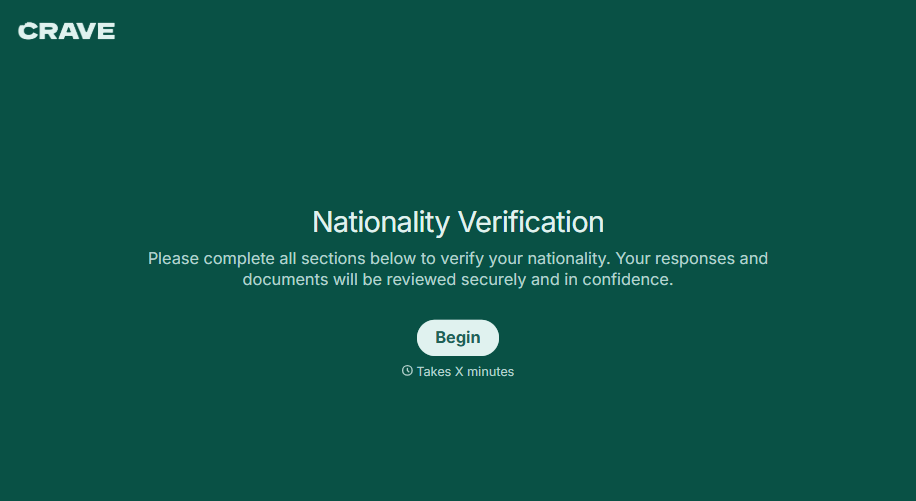
Nationality Verification Form
A self-certification buried in a stack of new account paperwork isn't the kind of record a compliance team can rely on for a regulatory filing. Collect nationality, tax residency, and a signed declaration before an account opens, so compliance isn't chasing down a customer's citizenship status after the fact.
View template
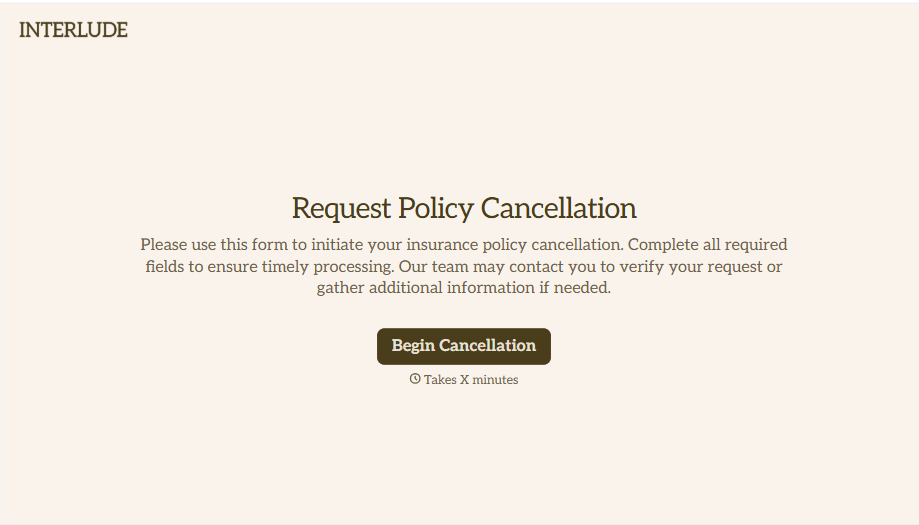
Policy Cancellation Form
A cancellation requested over the phone doesn't leave a clear record of exactly what date the policyholder actually asked for, and that date matters more than it sounds like it should. Collect what your agency actually needs, policy details, identity verification, and the requested effective date, before coverage actually ends.
View template
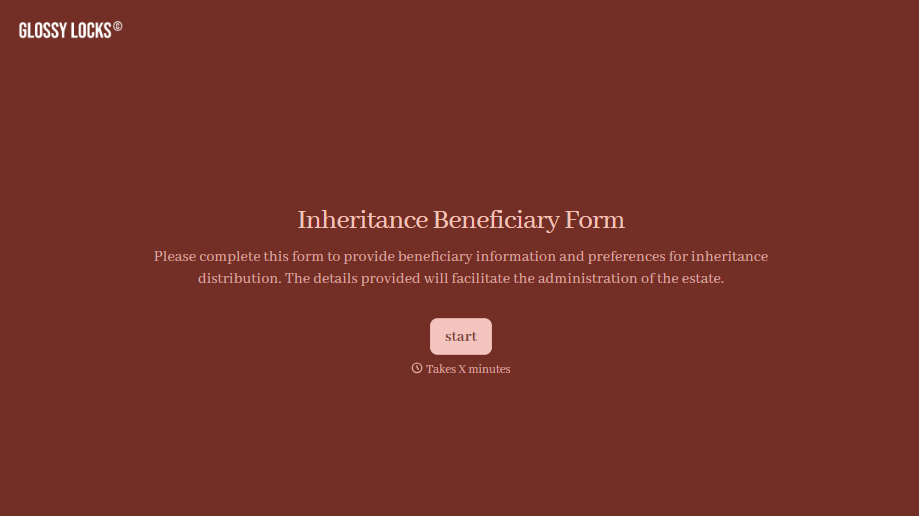
Inheritance Beneficiary Form
Asking a grieving family member for the same banking details across three different phone calls doesn't make settling an estate go any faster. Collect what your firm actually needs, beneficiary information, identification, and distribution details, in one submission instead of three calls.
View template
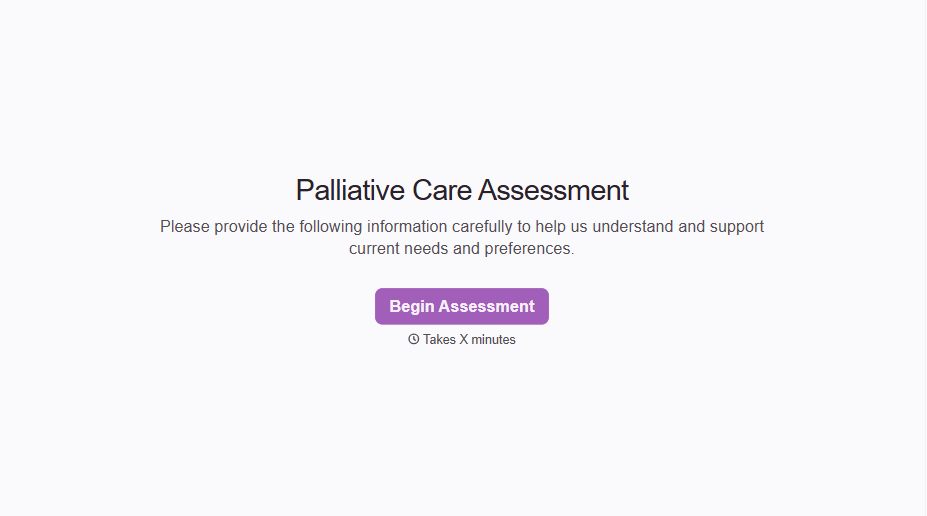
Palliative Care Assessment Form
A symptom check done verbally during a rushed home visit isn't the kind of record that shows whether pain management is actually working from one visit to the next. Collect symptom severity, functional status, and psychosocial needs consistently, so a care team can see change over time instead of relying on memory of the last visit.
View template
With Typeform, you can customize everything
Change text, colors, and even logos to match the look and feel of your brand. Then embed forms smoothly onto web and email.
Make forms feel effortless to fill out. Pace questions, call people by their name, and adapt the flow based on the data they share.
Stay efficient by connecting forms to your workflow. Typeform integrates with 300+ tools including Slack, Zapier, and HubSpot.