Pet Exam Form Template
Collect a patient's health history and reason for visit before the appointment. This template helps veterinary teams prepare and provide better care from the start.



A vet appointment is more productive when the team knows what they're walking into. When owners have to recall vaccination dates, medication names, and behavioral changes on the spot in an exam room, important details get missed. And for anxious pets, a shorter exam time is better for everyone.
A pre-visit form solves that. Owners can fill it out at home, when they're not flustered and can actually check records. Typeform's conditional logic can route follow-up questions based on the reason for the visit — a routine wellness exam needs different information than a sick visit or a new patient intake. The conversational format is easy to complete from a phone on the way to the appointment.
Customize the form to your practice's protocols and connect submissions to your practice management software for a smoother intake experience.
A pet exam form is a pre-appointment intake tool used by veterinary practices to collect patient history, current concerns, and owner contact information before a clinical exam. It gives the veterinary team a head start on understanding the patient's situation and ensures the appointment time is spent on examination and treatment rather than information gathering.
It improves appointment efficiency and clinical preparation. When the team has reviewed the patient's history before the pet even arrives, they can identify flag items, prepare necessary equipment, and triage the appointment appropriately. It also reduces the pressure on owners to recall everything accurately under time pressure in a clinical setting.
A comprehensive pet exam form covers both administrative and clinical information. Consider including:
- Pet name, species, breed, age, and sex
- Owner name and contact information
- Primary reason for the visit
- Current medications and supplements
- Vaccination and preventive care history
- Recent changes in behavior, appetite, or activity level
- Any known allergies or adverse reactions
- Prior surgeries or hospitalizations
Use a conditional branch at the start of the form to route new patients through a full intake and returning patients through a shorter update form. Returning patients only need to confirm or update their existing information and describe their current concern — not reenter everything from scratch. This keeps the form fast and respectful of the client's time.
Yes, with modifications. Add a species selector at the start and use conditional logic to surface species-specific questions. An avian exam needs questions about diet and feather condition; a reptile exam needs questions about temperature and humidity. Standard cat/dog questions don't apply to exotics, and surfacing irrelevant questions frustrates owners.
Get inspired by relevant templates and categories
3200+ Templates, 300+ Integrations
Bank Reference Form
A reference request faxed to a bank branch and left sitting in a queue for weeks isn't the kind of turnaround a landlord or business can wait on. Collect the applicant's signed authorization and the specific details you need confirmed before the request even reaches the bank, so a decision isn't stuck behind a letter that hasn't come back yet.
View template
School Photography Order Form
A paper order form stuffed in a backpack for two weeks isn't an order anyone can act on. Collect student information, package selection, and payment before picture day, so your photographer shows up with an accurate count instead of a stack of crumpled envelopes.
View template
Bar Inventory Form
A bottle count eyeballed at the end of a shift and scrawled on a paper sheet doesn't hold up against a pour cost report that says something doesn't add up. Collect what your bar actually needs, item, count, and variance, on a schedule you can actually compare week to week.
View template
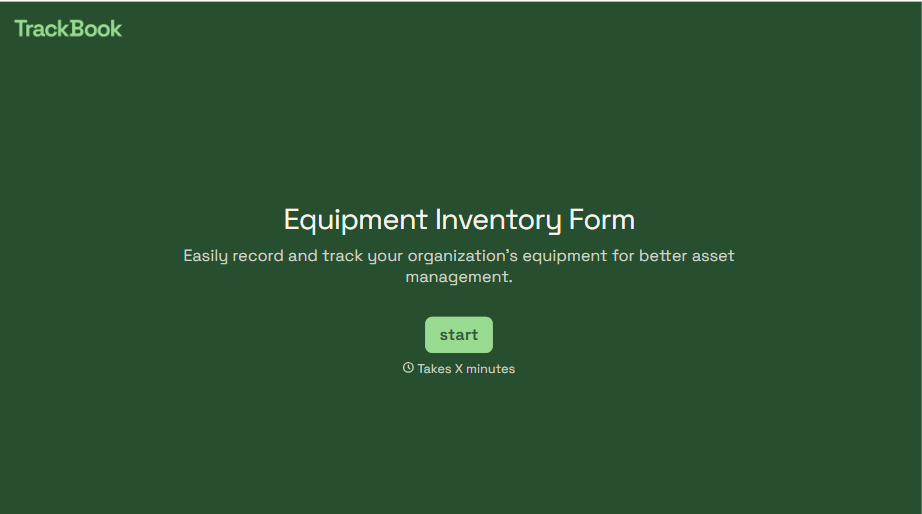
Equipment Inventory Form
Equipment that leaves a storage room in someone's arms, with no note about where it went, doesn't show up again until someone needs it and can't find it. Collect what your team actually needs, item details, condition, and who's got it, every time something moves.
View template
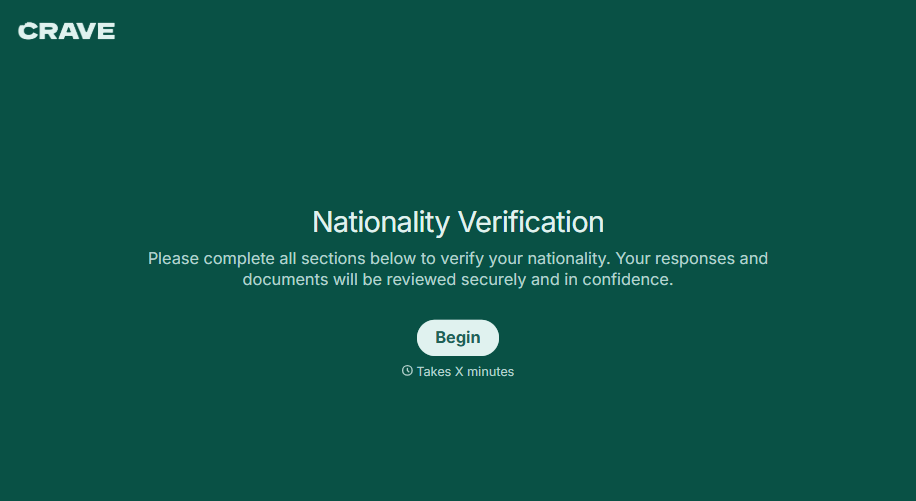
Nationality Verification Form
A self-certification buried in a stack of new account paperwork isn't the kind of record a compliance team can rely on for a regulatory filing. Collect nationality, tax residency, and a signed declaration before an account opens, so compliance isn't chasing down a customer's citizenship status after the fact.
View template
With Typeform, you can customize everything
Change text, colors, and even logos to match the look and feel of your brand. Then embed forms smoothly onto web and email.
Make forms feel effortless to fill out. Pace questions, call people by their name, and adapt the flow based on the data they share.
Stay efficient by connecting forms to your workflow. Typeform integrates with 300+ tools including Slack, Zapier, and HubSpot.