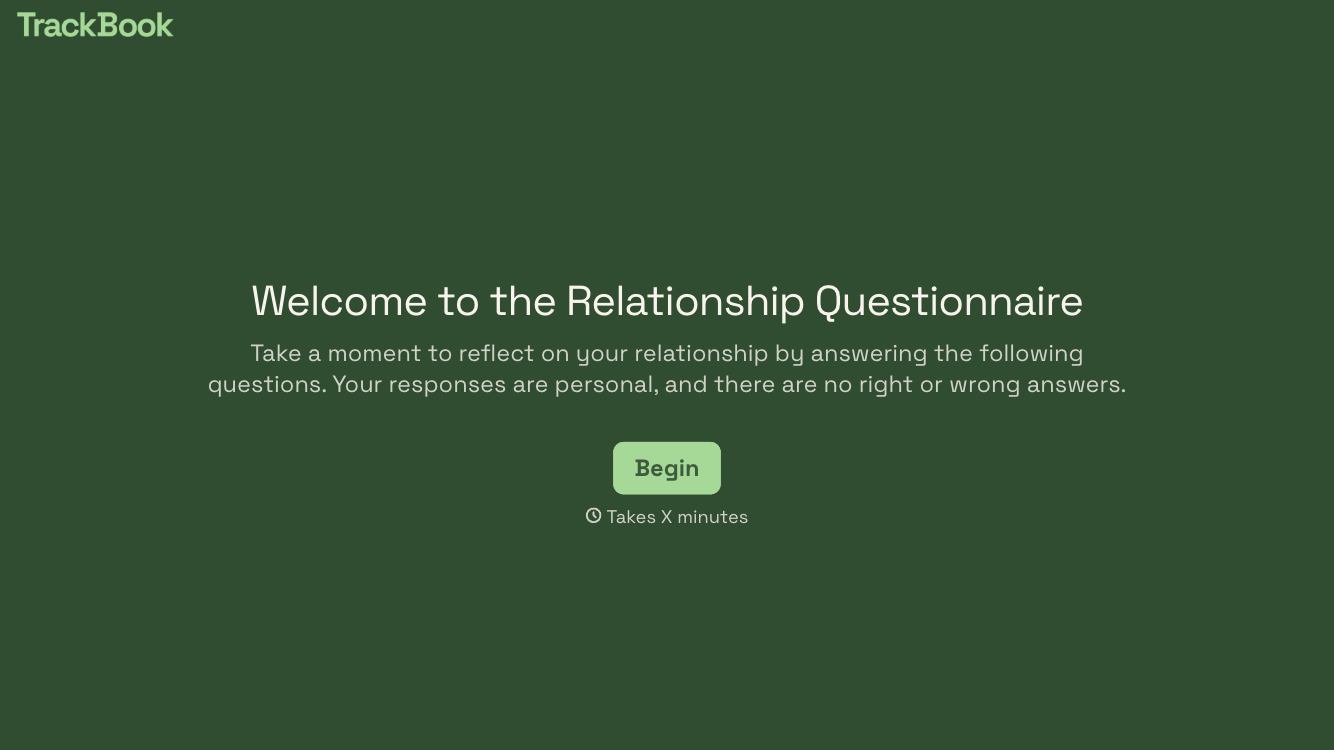
Retrospective survey template
Hear what the whole team really thinks went wrong, not just what's safe to say out loud in the room. Collect honest reflections on what worked, what didn't, and what to change before the retro.
A live retro rewards whoever speaks first and loudest, and it puts everyone else on the spot. The junior engineer with the sharpest observation stays quiet, the concern that involves a teammate goes unsaid, and the meeting reflects the room's dynamics more than the sprint's. Typeform's retrospective survey gathers everyone's honest input beforehand, so the retro starts from what the whole team actually experienced.
Team members rate how the sprint went and call out what helped, what got in the way, and what they'd change. Someone who flags a process problem gets asked where it slowed them down, while one who had a smooth sprint is asked what to keep doing, so you gather fixes and wins in equal measure. Responses come back anonymous but grouped, so patterns surface without putting anyone on the spot.
You walk into the retro with the whole team's input already on the table, the recurring blockers sitting next to the one-off gripes. The meeting spends its time solving the real problems instead of dragging them out of a quiet room.
A retrospective survey is a survey teams use to reflect on a sprint or project, capturing what went well and what to improve. It collects each member's take on wins, blockers, and changes worth making, in their own words. Teams use it to gather honest input from everyone before the retro, so the meeting works from the full picture instead of the loudest voices.
Without a retrospective survey, the retro runs on whoever's comfortable speaking up, and the sharpest feedback often stays unsaid. Problems that involve a teammate or the manager in the room go unmentioned, and the same surface points resurface sprint after sprint. A retrospective survey collects candid input ahead of time, so the real issues reach the table.
Capture what the team reflects on:
- How the sprint or project went overall
- What worked and should continue
- What got in the way
- What to change next time
- One thing the team should stop doing
Yes. Collect responses without names attached, so people flag a process problem or team friction without worrying it traces back to them. Candor is the whole point of a retro, and anonymity is what unlocks it. You still see every response grouped for the discussion, just without anyone's identity on it.
Send the retrospective survey right as the sprint or project wraps, while the details are fresh and before the retro meeting. That gives people time to reflect on their own instead of reacting on the spot, and it hands you organized input to build the agenda around. Run it every cycle and you can track whether the changes you agreed on actually stuck.
Get inspired by relevant templates and categories
3200+ Templates, 300+ Integrations
With Typeform, you can 
customize everything
Change text, colors, and even logos to match the look and feel of your brand. Then embed forms smoothly onto web and email.
Make forms feel effortless to fill out. Pace questions, call people by their name, and adapt the flow based on the data they share.
Stay efficient by connecting forms to your workflow. Typeform integrates with 300+ tools including Slack, Zapier, and HubSpot.