Sample Application Form Template
Build a flexible application form that works for whatever you're accepting: applications, submissions, or entries.



Not every application fits neatly into a "job application" or "school admission" box. Maybe you're accepting grant proposals, volunteer applications, vendor pitches, or contest entries. You need a form that's structured enough to collect consistent information but flexible enough to adapt to your specific use case. Starting from a blank canvas wastes time. Starting from the wrong template wastes even more.
This sample application form template gives you a solid, adaptable starting point. It includes the core sections most applications need. Applicant information, background details, relevant experience, and a statement of interest — presented in a guided flow that keeps applicants engaged. Conditional logic lets you add complexity only where it's needed, and you can add, remove, or rearrange questions in minutes.
Treat it as a framework. Rename the fields, swap in your own categories, upload your branding, and connect it to your review tools through integrations. Whether you're reviewing 20 applications or 2,000, every submission arrives in the same clean format.
A sample application form is a general-purpose template designed to collect applicant information for a variety of contexts — jobs, programs, memberships, grants, competitions, or any scenario where someone is formally requesting consideration. It provides a flexible structure that can be customized to fit specific requirements without building a form from scratch.
Use a sample form when your application process doesn't fit standard categories, or when you need to prototype a form quickly. If you're accepting applications for something unique. A community art project, a mentorship cohort, a popup market vendor call — a general template gives you the structural foundation without the assumptions baked into a specialized one.
- Full name, email address, and phone number
- Relevant background or experience summary
- Statement of interest or motivation for applying
- Supporting materials upload (resume, portfolio, references)
- Availability or timeline preferences
- How they learned about the opportunity
Start by identifying the 3 to 5 pieces of information that are most important for your evaluation criteria. Then adjust the form fields to prioritize those. Use question branching to create different paths. If you're accepting applications from both individuals and organizations, the form can adapt based on that initial selection, showing relevant fields for each. Rename labels, update descriptions, and add your branding to make it feel purpose-built.
Connect the form to a spreadsheet or project management tool through integrations so submissions are automatically organized. Use conditional logic to include a screening question early in the form that helps you prioritize, like "Which category best describes your application?" This lets you sort and filter submissions quickly, assign reviewers to specific categories, and avoid the overwhelm of reviewing everything in 1 undifferentiated pile.
Get inspired by relevant templates and categories
3200+ Templates, 300+ Integrations
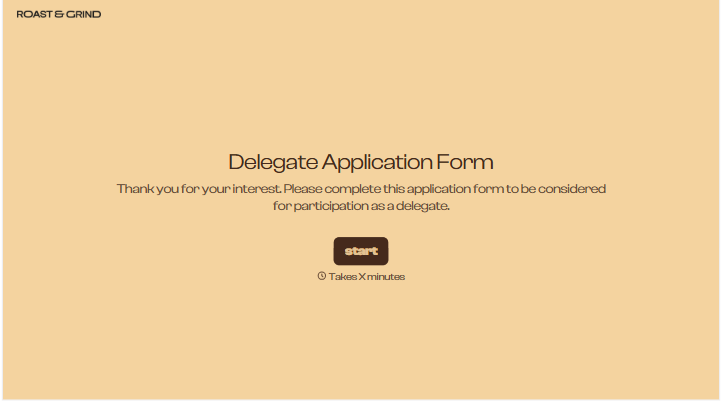
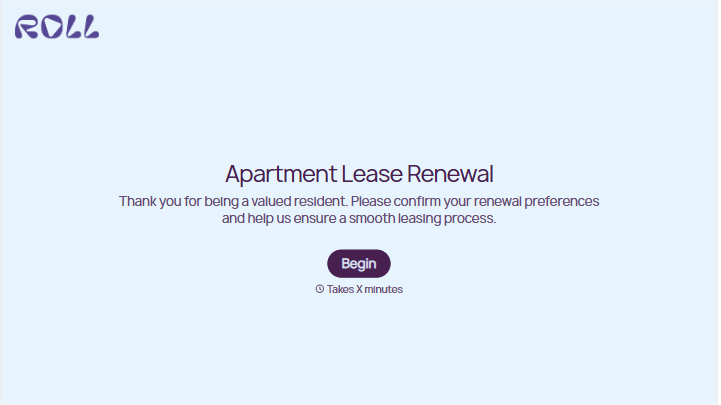
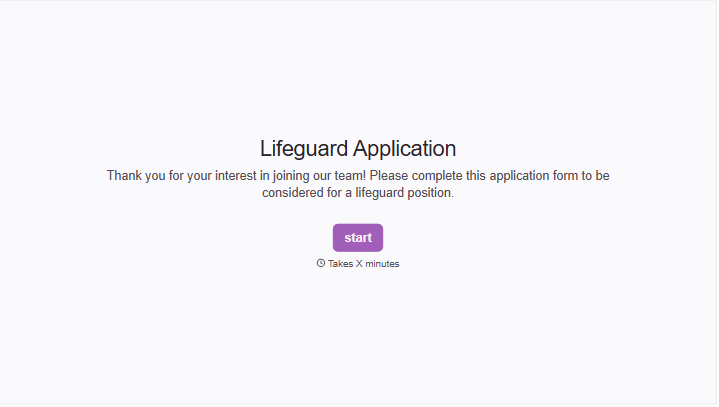
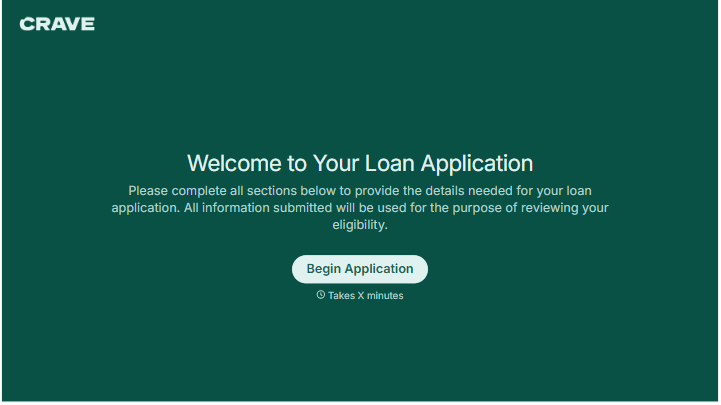

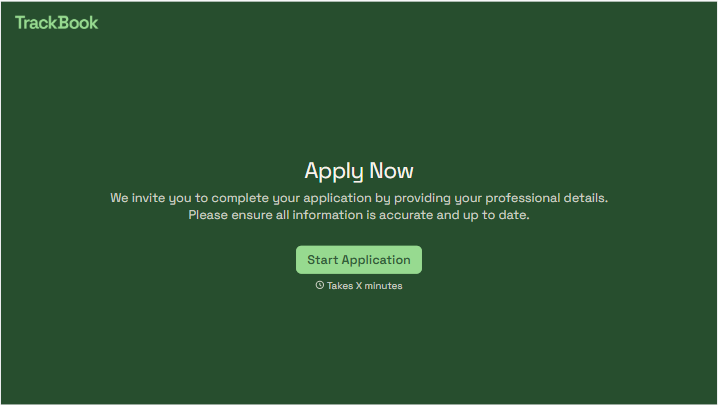
With Typeform, you can customize everything
Change text, colors, and even logos to match the look and feel of your brand. Then embed forms smoothly onto web and email.
Make forms feel effortless to fill out. Pace questions, call people by their name, and adapt the flow based on the data they share.
Stay efficient by connecting forms to your workflow. Typeform integrates with 300+ tools including Slack, Zapier, and HubSpot.