Stock Order Form Template
Give clients a clear, consistent way to place stock orders without phone tag or email chains.



Stock orders require precision. The wrong quantity, wrong ticker, wrong account, or wrong instruction type can cause real problems — and when orders come through informal channels like email or calls, errors are easy to make and hard to catch before they matter.
A structured order form brings clarity to the process. Typeform's stock order form captures all the required details in a defined sequence — account information, order type, security details, quantity, price conditions, and special instructions — reducing ambiguity and creating a clear record of what was requested. Conditional logic surfaces the right fields based on order type: market orders, limit orders, and stop orders each have different parameters, and the form adjusts accordingly. Responses can connect to your internal systems so the order record is created automatically.
You can tailor the form to your firm's specific order types, add required compliance disclosures, and keep a complete audit trail of every submission.
A stock order form is a structured document used to capture a client's instructions for buying or selling securities. It records the account details, security to be traded, order type, quantity, price conditions, and any special instructions needed to execute the trade.
It reduces errors and creates accountability. An informal instruction passed by phone or email is easily misunderstood or misrecorded. A structured form ensures every detail is captured in writing before any action is taken, and gives both the client and the firm a clear record of what was requested and when.
A stock order form typically captures:
- Client name and account number
- Security name and ticker symbol
- Transaction type (buy or sell)
- Order type (market, limit, stop, stop-limit)
- Quantity of shares
- Price conditions (for limit or stop orders)
- Order duration (day order, good-till-canceled)
Order forms in securities contexts are subject to regulatory requirements around recordkeeping, best execution, and client suitability. Work with your compliance team to ensure the form captures all required fields and disclosures. Digital submissions should be stored securely and retained for the period required by your regulator.
Yes. You can add a client type question at the start and use conditional logic to show the appropriate fields — individuals may need fewer fields than institutional clients who are placing bulk or multi-leg orders. Keeping both within the same form streamlines your process without building and managing multiple versions.
Get inspired by relevant templates and categories
3200+ Templates, 300+ Integrations
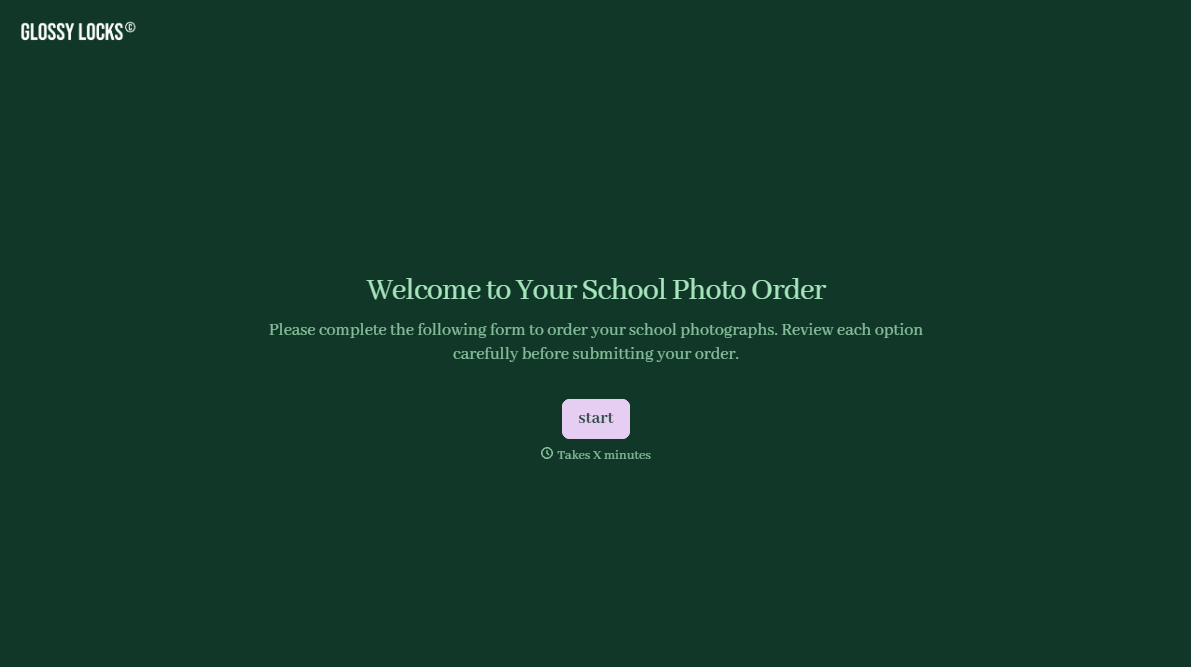
School Photography Order Form
A paper order form stuffed in a backpack for two weeks isn't an order anyone can act on. Collect student information, package selection, and payment before picture day, so your photographer shows up with an accurate count instead of a stack of crumpled envelopes.
View template
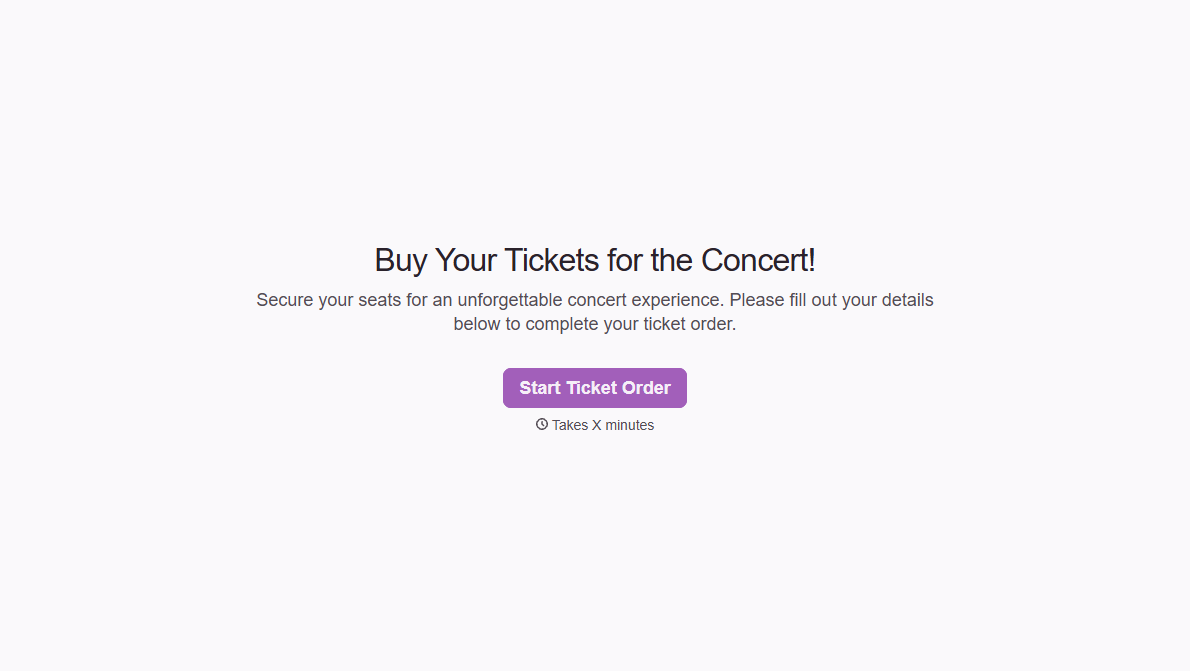
Concert Ticket Order Form
A ticket order collected through a Venmo request and a group text isn't a record, it's a promise to remember who paid and who still owes. Take the order, the payment, and the confirmation in the same form, so nobody's showing up at the door as a name someone half-remembers.
View template
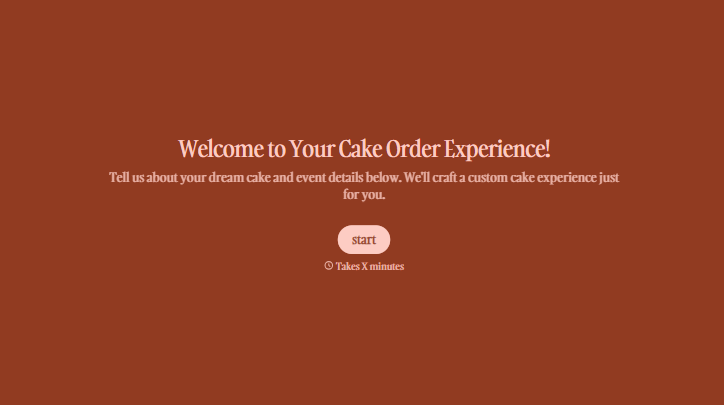
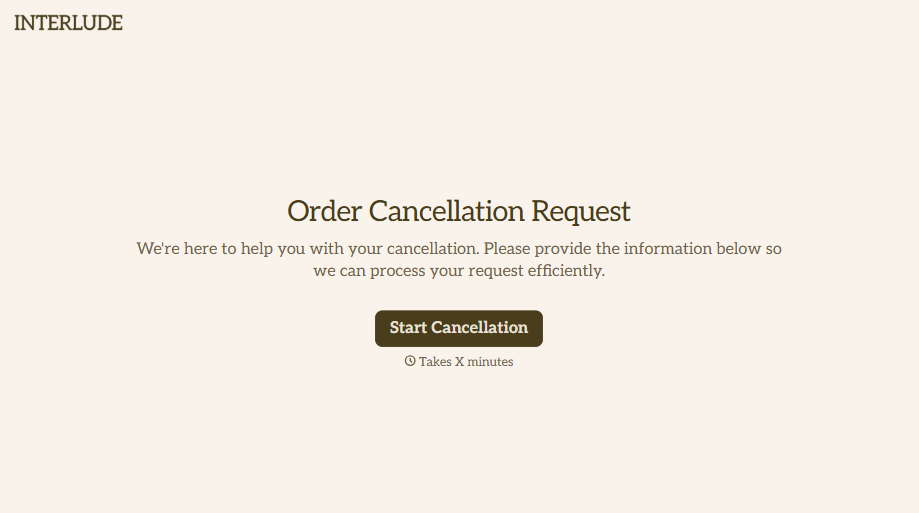
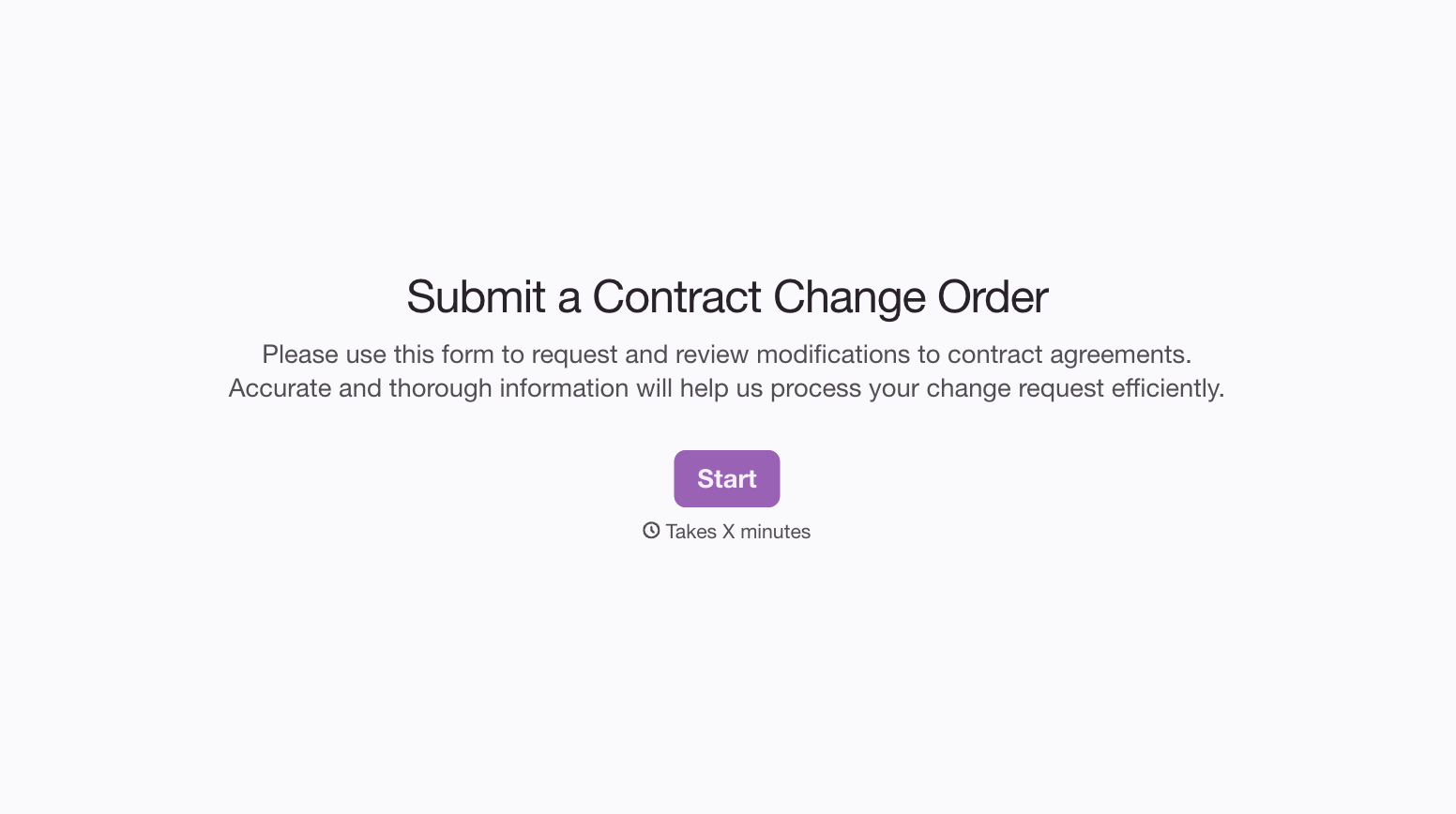
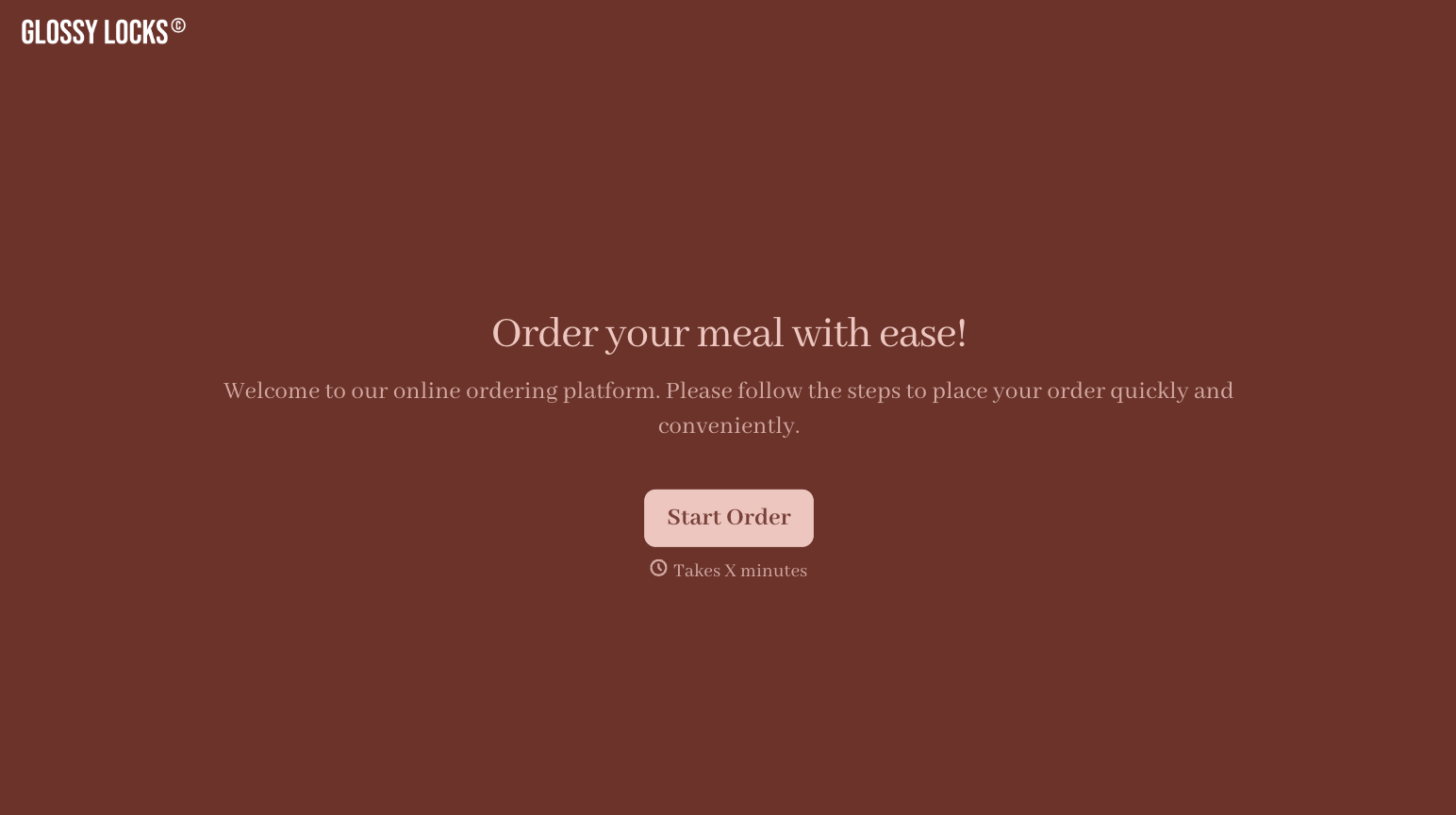
With Typeform, you can customize everything
Change text, colors, and even logos to match the look and feel of your brand. Then embed forms smoothly onto web and email.
Make forms feel effortless to fill out. Pace questions, call people by their name, and adapt the flow based on the data they share.
Stay efficient by connecting forms to your workflow. Typeform integrates with 300+ tools including Slack, Zapier, and HubSpot.