Anonymous Complaint Form
A complaint sent straight to a manager's inbox has a name attached before anyone even reads it, which is often the reason people decide not to send it at all. Collect what your team actually needs to look into it, what happened, when, who was involved, without asking the person reporting it to identify themselves.



Most workplace complaints start as a hallway conversation or an email with a name on it, and both come with a cost. The person raising the issue has to weigh whether reporting it is worth the risk of being known as the one who reported it, so plenty of issues never get raised at all, and the ones that do often arrive as a secondhand account with no consistent record of what actually happened or when.
Typeform's anonymous complaint form asks for what your team actually needs to investigate, the nature of the complaint, when and where it happened, who was involved, and a description of what took place, without collecting the reporter's name, email, or IP address by default. Conditional logic can route from there: a complaint marked urgent or safety related can branch to a question about immediate risk, and anyone willing to be contacted can leave optional details without being required to.
Connect the form to Slack or your HR platform through Zapier, and a new submission can notify the right person the moment it comes in instead of sitting in an inbox. Keep the link open and posted somewhere visible, and your team ends up with a documented record of what was reported and when, instead of relying on whoever happened to hear about it first.
An anonymous complaint form is an online form organizations use to let employees, students, or members report a concern without attaching their name to it. It collects what happened, when, and who was involved, and skips the identifying fields a standard contact form would ask for.
Reporting directly to a manager means the person's name is attached from the first sentence, which discourages people from raising issues they're worried could affect how they're treated afterward. An anonymous form separates the report from the identity of the person making it, so the concern gets raised on its own merits.
Ask for what your team will actually need to look into the report:
- Nature of the complaint or type of concern
- Date, time, and location
- People involved, described without requiring the reporter's own name
- A description of what happened
- Optional contact information, for anyone willing to be reached for follow up
Not necessarily, but it can make follow up harder. Without a way to reach the reporter, your team may not be able to ask clarifying questions or confirm details, and depending on your industry and local whistleblower or reporting laws, some complaints may need to be handled through a specific process regardless of how they were submitted. It's worth reviewing your specific process with HR or legal counsel rather than relying on a generic template as-is.
Yes. Add a file upload question and reporters can attach a screenshot, photo, or document as evidence in the same submission, no separate email required. Pair it with conditional logic so the upload only appears when the reporter indicates they have something to share.
Get inspired by relevant templates and categories
3200+ Templates, 300+ Integrations
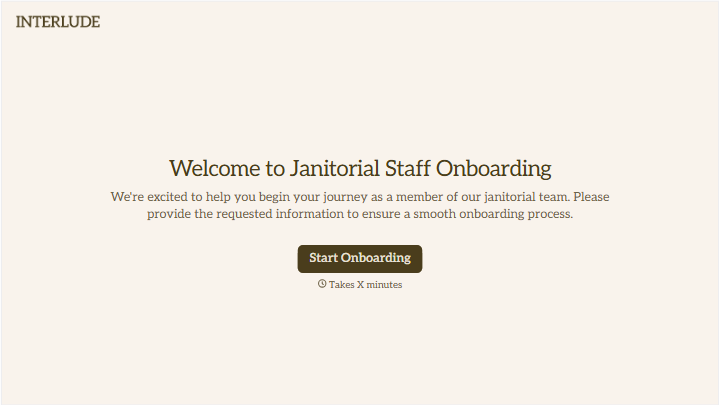
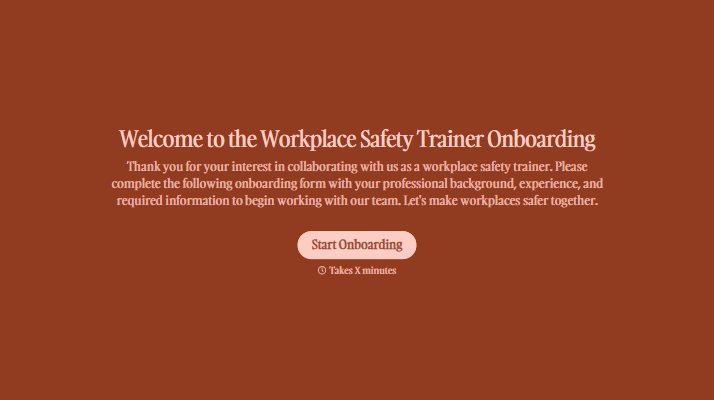
With Typeform, you can customize everything
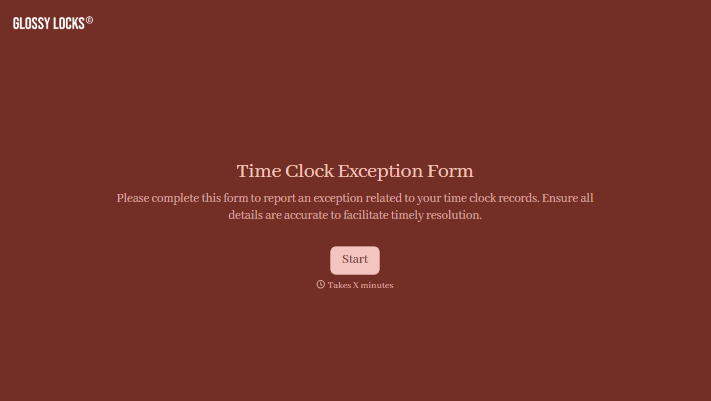
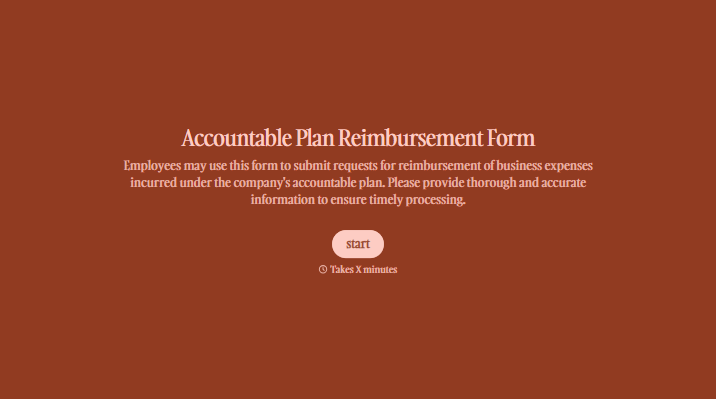
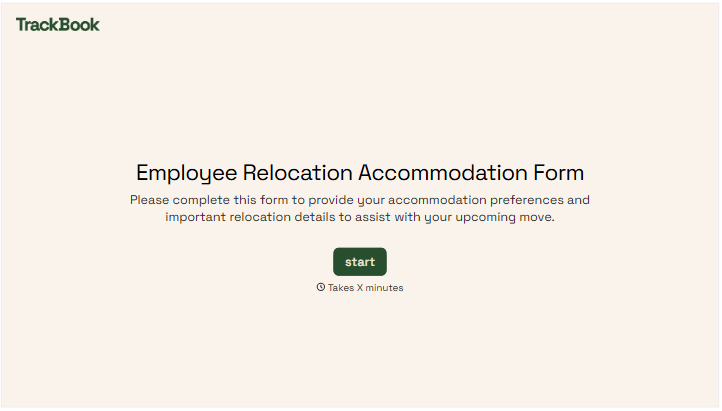
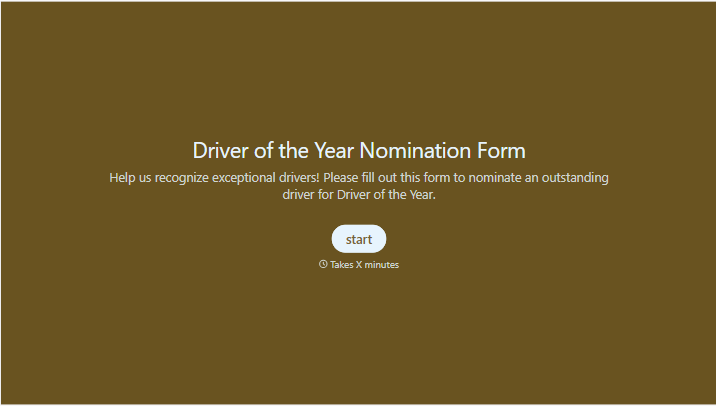
Change text, colors, and even logos to match the look and feel of your brand. Then embed forms smoothly onto web and email.
Make forms feel effortless to fill out. Pace questions, call people by their name, and adapt the flow based on the data they share.
Stay efficient by connecting forms to your workflow. Typeform integrates with 300+ tools including Slack, Zapier, and HubSpot.