Barking Dog Complaint Form
A vague complaint that a dog "barks all the time" rarely holds up as a nuisance case. Log the dates, times, and duration animal control actually needs before a citation ever gets considered.



Most municipal noise ordinances treat barking as a nuisance only past a specific threshold, continuous barking for a set number of minutes, or intermittent barking over a longer stretch, and that threshold varies from city to city. A complaint that just says "the dog barks a lot" rarely gives animal control enough to act on, even when the noise is genuinely disruptive.
Enforcement in a lot of places also depends on who's complaining, not just what happened. Anonymous complaints often aren't actionable, since a cited owner generally has a right to know who complained and to contest it, and some jurisdictions want more than one household on record before treating a complaint as a real nuisance rather than a dispute between two neighbors. A form also needs to flag whether the dog is a working or service animal, since those are often handled differently before anyone treats it as an ordinary nuisance case.
Typeform's barking dog complaint form asks for the specific dates, times, and duration of the barking, the complainant's name and contact information, and whether other households are affected, instead of collecting a general complaint that doesn't meet an ordinance's actual threshold. Every submission becomes a timestamped record of what was reported and by whom, the file animal control needs if a case moves toward a citation or a hearing.
A barking dog complaint form is an online form residents use to report a dog's excessive barking with the specific details, dates, times, duration, address, that a noise ordinance actually requires before animal control can act on it.
Most noise ordinances define nuisance barking by duration, continuous for a set number of minutes, or intermittent over a longer stretch, and a complaint without that detail doesn't show whether the ordinance's threshold was actually met. Specific dates and times also let animal control follow up or verify a pattern instead of relying on a single description.
Capture what animal control will actually need to act on the complaint:
- Complainant's name and contact information
- Address of the dog and the barking incident
- Dates, times, and approximate duration of the barking
- Whether other households are affected
- Whether the dog is a known working or service animal
Usually not in a way that leads to enforcement. Many jurisdictions require a named complainant because a cited owner generally has the right to know who complained and to contest it, so an anonymous submission may get logged but isn't likely to move a case forward on its own.
Not usually. Many jurisdictions want a documented pattern, multiple incidents, sometimes multiple households, before treating a complaint as a nuisance rather than a one-off dispute between neighbors. That's part of why timestamped, dated submissions matter, they build the record a case actually needs over time.
Get inspired by relevant templates and categories
3200+ Templates, 300+ Integrations
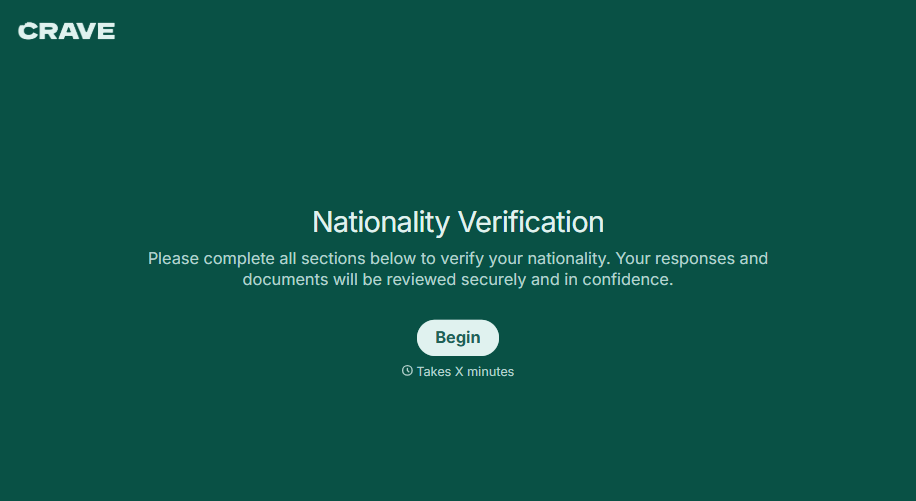
Nationality Verification Form
A self-certification buried in a stack of new account paperwork isn't the kind of record a compliance team can rely on for a regulatory filing. Collect nationality, tax residency, and a signed declaration before an account opens, so compliance isn't chasing down a customer's citizenship status after the fact.
View template
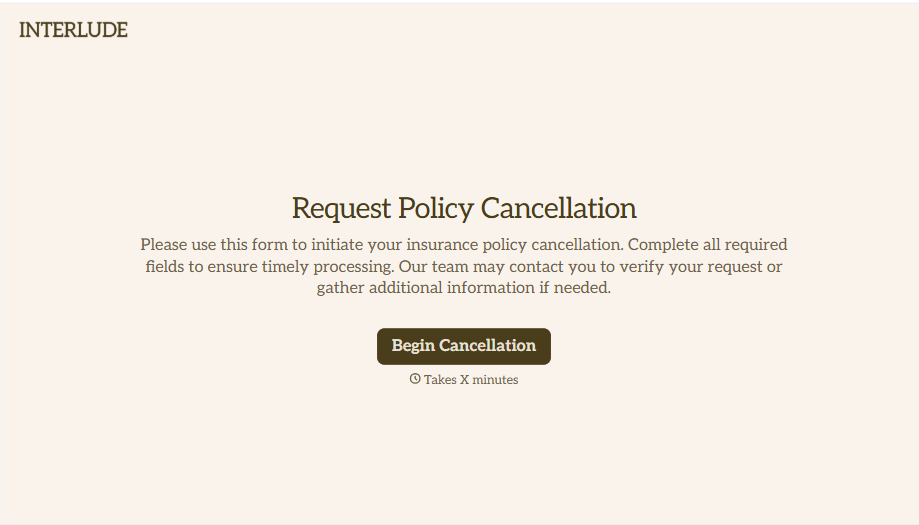
Policy Cancellation Form
A cancellation requested over the phone doesn't leave a clear record of exactly what date the policyholder actually asked for, and that date matters more than it sounds like it should. Collect what your agency actually needs, policy details, identity verification, and the requested effective date, before coverage actually ends.
View template
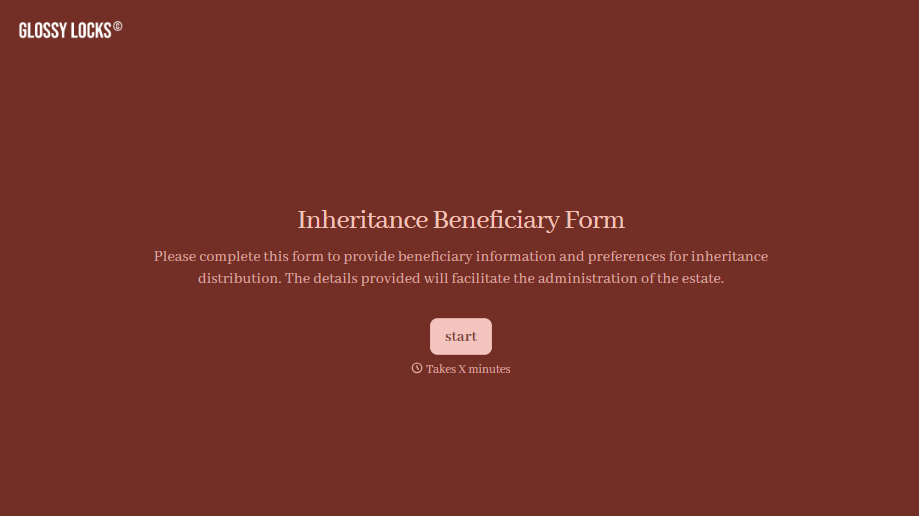
Inheritance Beneficiary Form
Asking a grieving family member for the same banking details across three different phone calls doesn't make settling an estate go any faster. Collect what your firm actually needs, beneficiary information, identification, and distribution details, in one submission instead of three calls.
View template
With Typeform, you can customize everything
Change text, colors, and even logos to match the look and feel of your brand. Then embed forms smoothly onto web and email.
Make forms feel effortless to fill out. Pace questions, call people by their name, and adapt the flow based on the data they share.
Stay efficient by connecting forms to your workflow. Typeform integrates with 300+ tools including Slack, Zapier, and HubSpot.