Inheritance Beneficiary Form
Asking a grieving family member for the same banking details across three different phone calls doesn't make settling an estate go any faster. Collect what your firm actually needs, beneficiary information, identification, and distribution details, in one submission instead of three calls.



Beneficiary information often gets collected in pieces, over multiple phone calls, handled by whoever at the firm happens to be working that estate that week. A beneficiary gives their address to one person, then their banking details to someone else two weeks later, and if a form mailed back and forth gets lost, the process resets while everyone waits on a re-signed copy. All of this tends to happen while someone is still dealing with the loss of a family member, which makes an already slow process feel even harder.
Typeform's inheritance beneficiary form asks for what your firm actually needs, beneficiary information, identification, relationship to the deceased, and distribution details, then uses conditional logic to branch from there. A beneficiary receiving a physical asset can get a different set of questions than one receiving a cash distribution, and someone submitting on behalf of a minor beneficiary can route to a guardian or trustee section. Every submission lands in one record instead of a stack of forms mailed back and forth.
Connect the form to your case management system through Zapier, and a submitted form can attach itself to the right estate file automatically. Send the link once, and your firm can move a distribution forward with everything on file, instead of scheduling a fourth call to ask for a detail that got missed the first three times.
An inheritance beneficiary form is an online form estate attorneys, executors, and financial institutions use to collect a beneficiary's information, identification, and distribution details in one submission. Instead of gathering that information across separate phone calls or mailed paperwork, it lands as a single, complete record.
Collecting beneficiary information over several calls means someone has to track what's already been provided and what's still missing, and a beneficiary often ends up repeating the same details to different people. A form captures everything in one submission, at a time that works for someone who may already be dealing with a lot.
Ask for what your firm will actually need to process the distribution:
- Beneficiary name and contact information
- Identification, like a driver's license or passport
- Relationship to the deceased
- Distribution details, like a bank account for a cash transfer
- Guardian or trustee information, if the beneficiary is a minor
Not necessarily. A submission gives your firm the information needed to process the distribution, but the actual timing and amount still depend on the estate's specific legal requirements, probate status, and other beneficiaries involved. Confirm the details against the will or trust itself, and have an attorney review anything before it's treated as final.
Yes. Add a file upload question and beneficiaries can attach an ID, a death certificate, or another required document in the same submission, no separate mailing required. Pair it with conditional logic so the upload only appears when that specific document is actually needed.
Get inspired by relevant templates and categories
3200+ Templates, 300+ Integrations
Nationality Verification Form
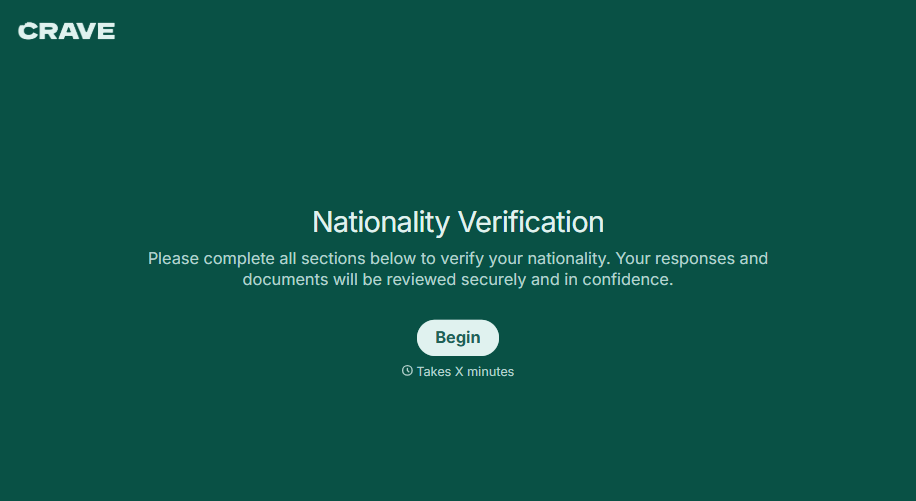
A self-certification buried in a stack of new account paperwork isn't the kind of record a compliance team can rely on for a regulatory filing. Collect nationality, tax residency, and a signed declaration before an account opens, so compliance isn't chasing down a customer's citizenship status after the fact.
View template
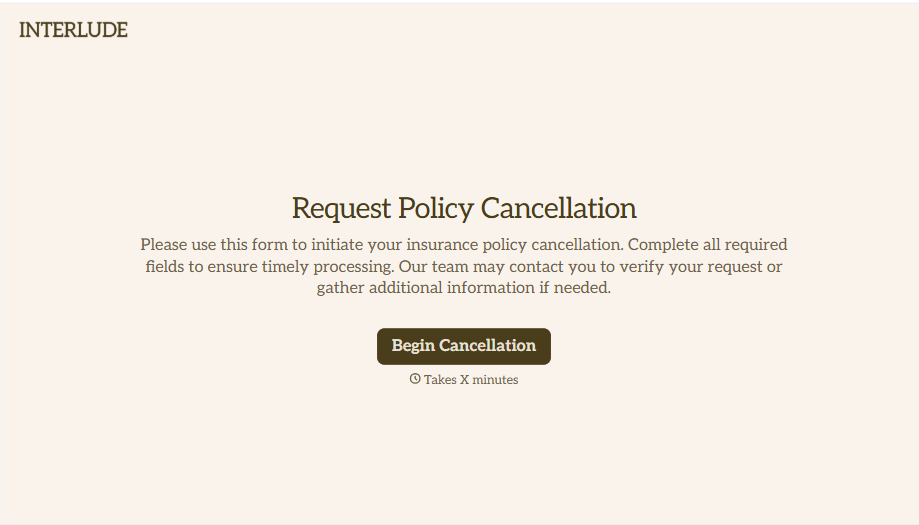
Policy Cancellation Form
A cancellation requested over the phone doesn't leave a clear record of exactly what date the policyholder actually asked for, and that date matters more than it sounds like it should. Collect what your agency actually needs, policy details, identity verification, and the requested effective date, before coverage actually ends.
View template
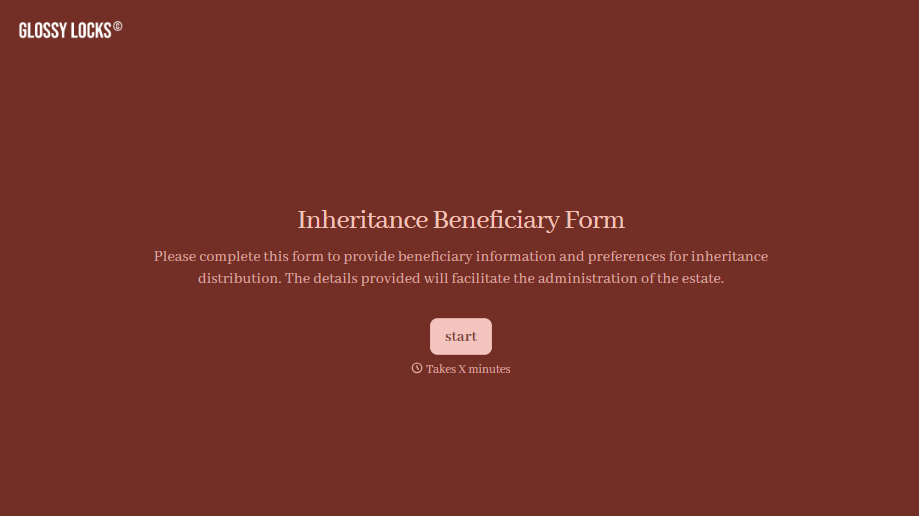
Inheritance Beneficiary Form
Asking a grieving family member for the same banking details across three different phone calls doesn't make settling an estate go any faster. Collect what your firm actually needs, beneficiary information, identification, and distribution details, in one submission instead of three calls.
View template
With Typeform, you can customize everything
Change text, colors, and even logos to match the look and feel of your brand. Then embed forms smoothly onto web and email.
Make forms feel effortless to fill out. Pace questions, call people by their name, and adapt the flow based on the data they share.
Stay efficient by connecting forms to your workflow. Typeform integrates with 300+ tools including Slack, Zapier, and HubSpot.