Bereavement Leave Form
A grieving employee shouldn't have to figure out your policy from scratch while making funeral arrangements. Collect what you need to approve the right leave quickly, and document it correctly the first time.



There's no federal law requiring bereavement leave in the US, and FMLA doesn't cover it either, FMLA applies to an employee's own serious health condition or caring for a family member's serious health condition, not grief itself. What an employer actually owes an employee after a death is decided almost entirely by state law and company policy, and those vary widely: California's AB 1949 requires employers with 5 or more employees to provide up to 5 days of bereavement leave for a defined family member's death, while Illinois's Family Bereavement Leave Act covers a broader set of events, including pregnancy loss and failed adoption, not just a death. A form built around one state's rule may promise less, or more, than what another state actually requires.
Typeform's bereavement leave form asks for the relationship to the deceased and the reason for the request before it asks for dates, so HR can check the request against whatever state law or internal policy actually applies instead of approving it as generic time off. Conditional logic can route different documentation requirements or leave lengths depending on the relationship and the employee's state.
Every submitted request becomes a timestamped record of what was requested, why, and what was approved. That's the file you want if a leave request is disputed, a state law's specific eligibility rule gets questioned, or you need to show a request was handled consistently with your policy.
A bereavement leave form is an online form employees use to request time off following the death of a family member, capturing the relationship to the deceased, requested dates, and any documentation your policy requires before the leave gets approved.
No. There's no federal law requiring employers to provide bereavement leave, and FMLA doesn't cover it either, FMLA is for an employee's own serious health condition or caring for a family member's serious health condition, not leave for grief itself. Any requirement comes from state law or your own company policy, not federal law.
Yes, though the specifics vary. California's AB 1949 requires employers with 5 or more employees to provide up to 5 days for the death of a defined family member, and Illinois's Family Bereavement Leave Act covers a broader set of events, including pregnancy loss and failed adoption, not just a death. Confirm the specific rule for your state rather than assuming a national standard.
Capture enough to check the request against the right policy or law:
- Employee's name and relationship to the deceased
- Requested start date and length of leave
- Whether the leave is paid, unpaid, or drawn from accrued time
- Any documentation required, such as an obituary or death certificate
- Manager or HR sign-off
Yes. Add a conditional logic branch for state and relationship, and the form can flag a request that falls under a specific state law, or one that only your internal policy covers, instead of treating every request the same way regardless of where the employee is located.
Get inspired by relevant templates and categories
3200+ Templates, 300+ Integrations
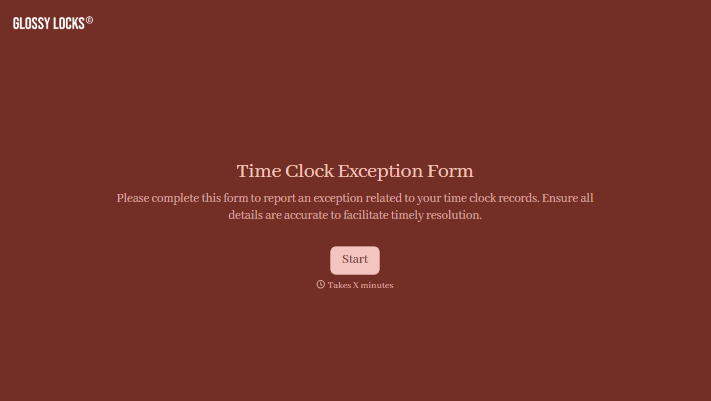
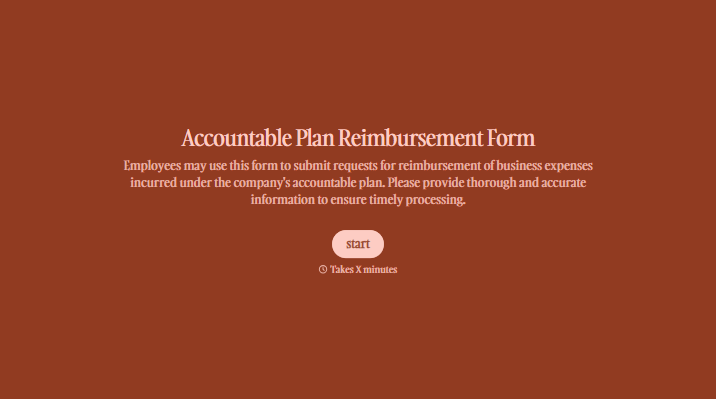
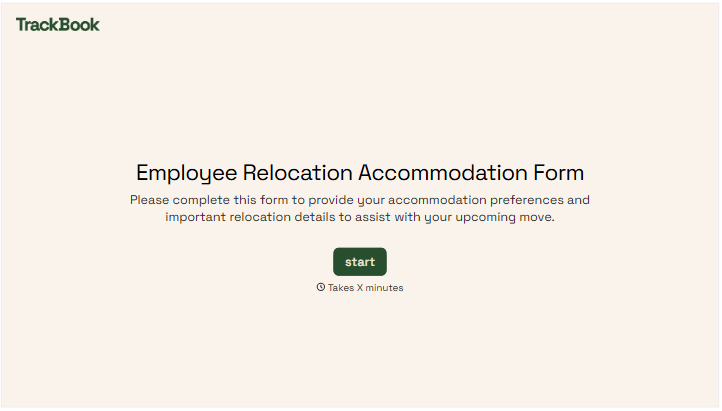

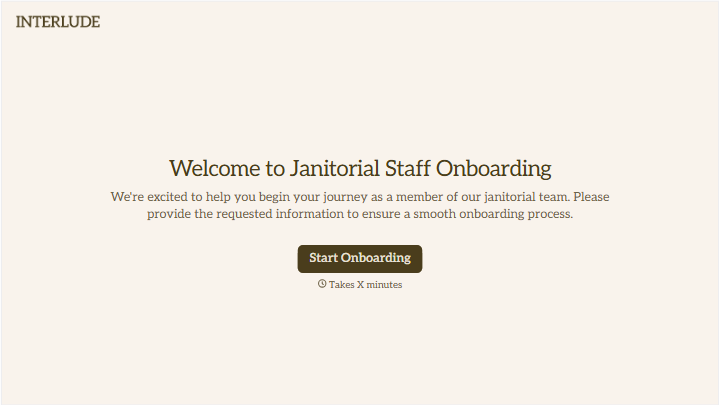
With Typeform, you can customize everything
Change text, colors, and even logos to match the look and feel of your brand. Then embed forms smoothly onto web and email.
Make forms feel effortless to fill out. Pace questions, call people by their name, and adapt the flow based on the data they share.
Stay efficient by connecting forms to your workflow. Typeform integrates with 300+ tools including Slack, Zapier, and HubSpot.