Body Language Quiz
A quiz that hands back the same score no matter which questions someone actually missed isn't teaching anyone to read a room. Ask what the quiz is actually measuring, attraction cues, deception tells, stress signals, and let each wrong answer route somewhere that explains what the cue really meant.



Most body language quizzes online are a static list of ten questions and one number at the end: "You got 7/10, you're basically a human lie detector." Whoever's taking it skips straight to the score and shares it. Nobody comes away knowing which gesture they misread, or why the "confident" posture they picked was actually a stress signal.
Typeform's body language quiz asks scenario and image-based questions, a crossed-arm stance, a held gaze, a hand near the mouth, and scores each answer against the category it belongs to instead of tallying one flat total. Logic routes someone who missed most of the deception questions to a different result page than someone who missed the attraction questions, so the takeaway is specific instead of a single number that means nothing on its own.
Every submission lands in one place instead of scattering across screenshots and shared links. Connect the quiz to Mailchimp or a CRM through Zapier, and a completed quiz can add someone to a follow-up sequence or point them to a page suited to whatever category they scored lowest on. Ask for an email before the results reveal, and a quiz built for sharing also builds your list.
A body language quiz is an interactive quiz that tests how well someone reads nonverbal cues, posture, facial expressions, gestures, eye contact, and returns a score or result based on their answers. Typeform's version scores each response against the category of cue it belongs to, so the result explains what was misread instead of returning one number.
A PDF or listicle gets read once, if that, and the answer key sits at the bottom where nobody scrolls to check it. A quiz builder asks one question at a time, which keeps people through to the end, and scores answers automatically, so the result is waiting until the moment someone finishes instead of being manually tallied against a key.
Ask for what will actually make the result worth sharing:
- A mix of scenario and image-based questions covering common cues, like crossed arms, eye contact, gestures, and facial expressions
- A scoring system that tracks categories separately, like attraction, deception, or stress, instead of one flat score
- A personalized result page tied to the score
- An email capture before the results reveal, if the quiz is also meant to build a list
- Share buttons or an embed option, if the goal is distribution
Not necessarily. A quiz scored against a fixed answer key measures pattern recognition on written scenarios or static images, not real-time reading of an actual person, whose cues are context-dependent, cultural, and sometimes deliberately masked. Treat the quiz as entertainment or a conversation-starter about nonverbal cues, not a validated measure of anyone's interpersonal skill.
Yes. Add an image choice question and respondents look at an actual photo of a gesture or expression instead of reading a text description of one. Pair it with the scoring logic so each image maps to the right category, attraction, deception, stress, and the result still adds up correctly.
Get inspired by relevant templates and categories
3200+ Templates, 300+ Integrations
Body Language Quiz
A quiz that hands back the same score no matter which questions someone actually missed isn't teaching anyone to read a room. Ask what the quiz is actually measuring, attraction cues, deception tells, stress signals, and let each wrong answer route somewhere that explains what the cue really meant.
View template
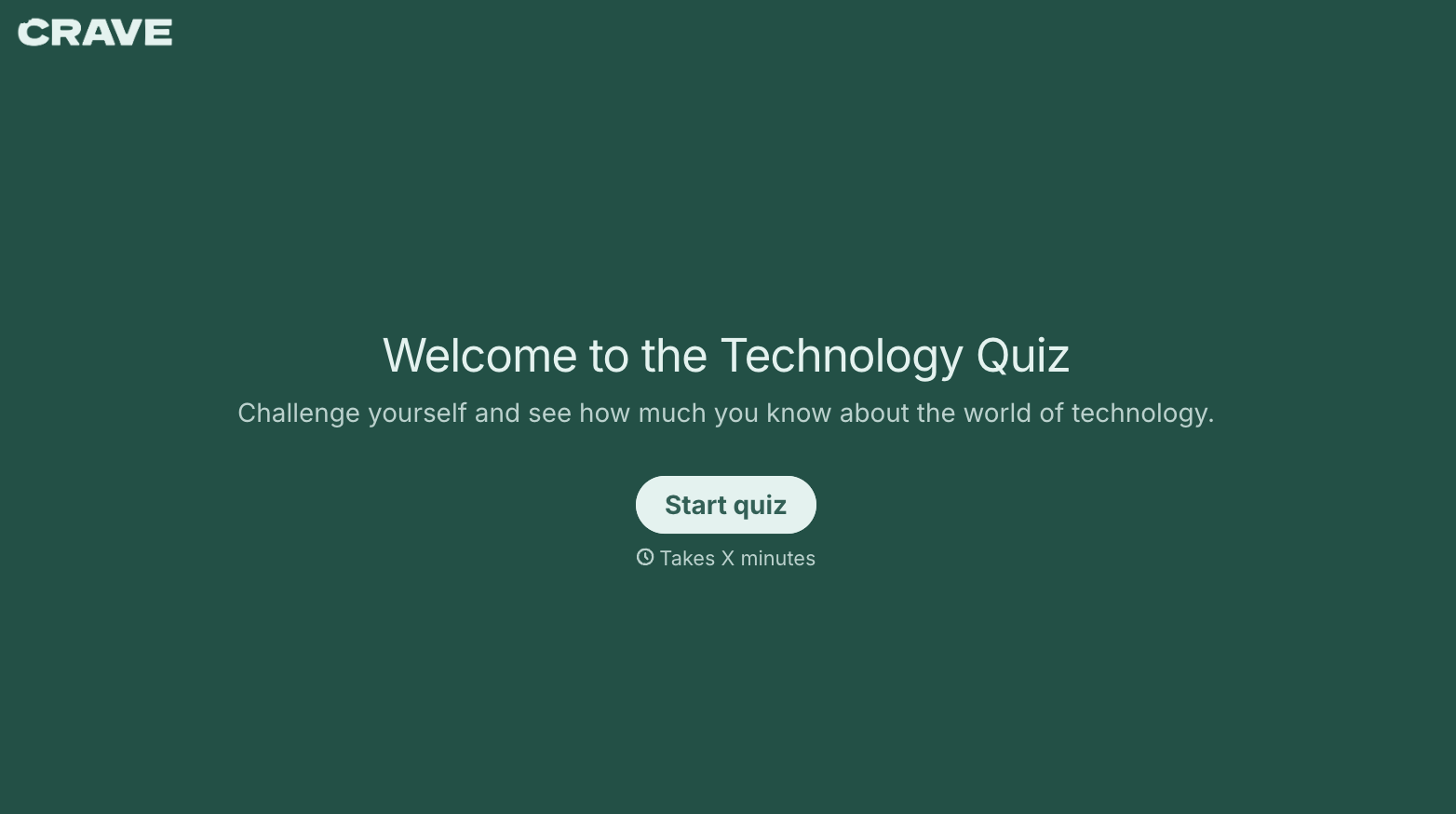
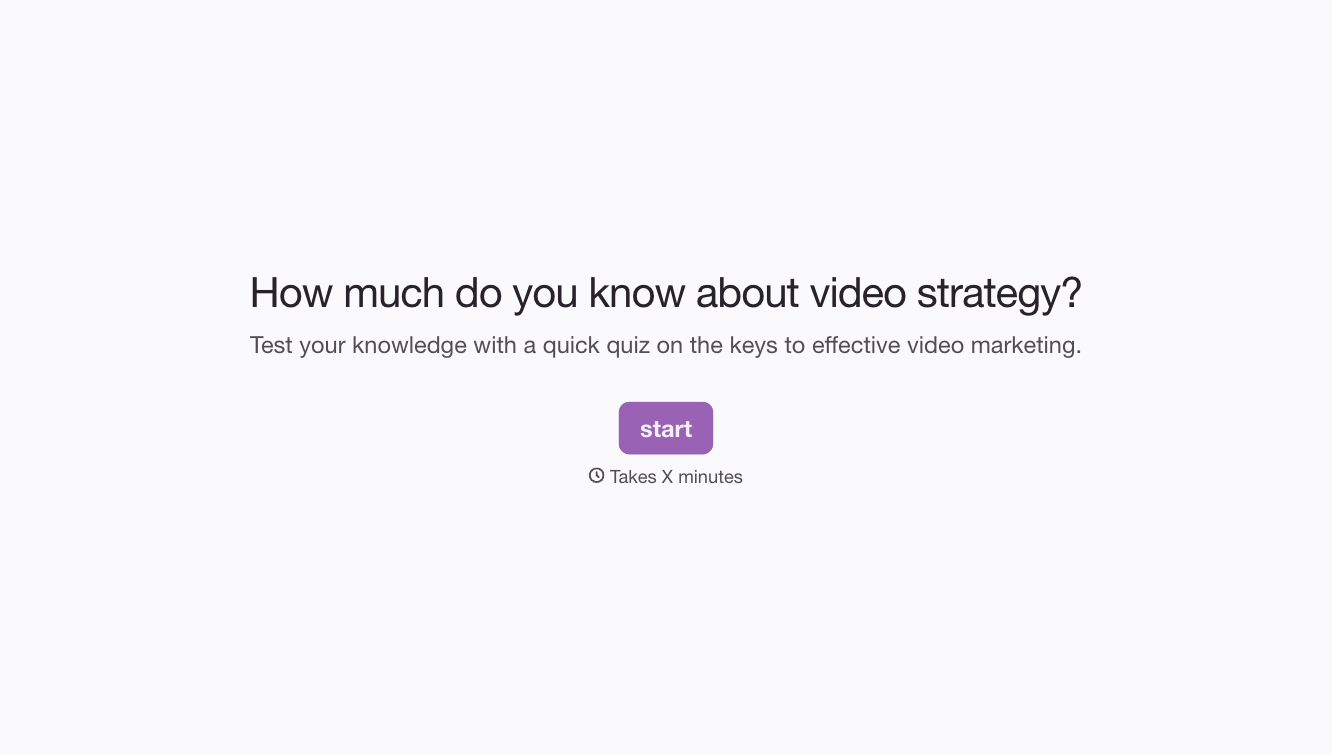
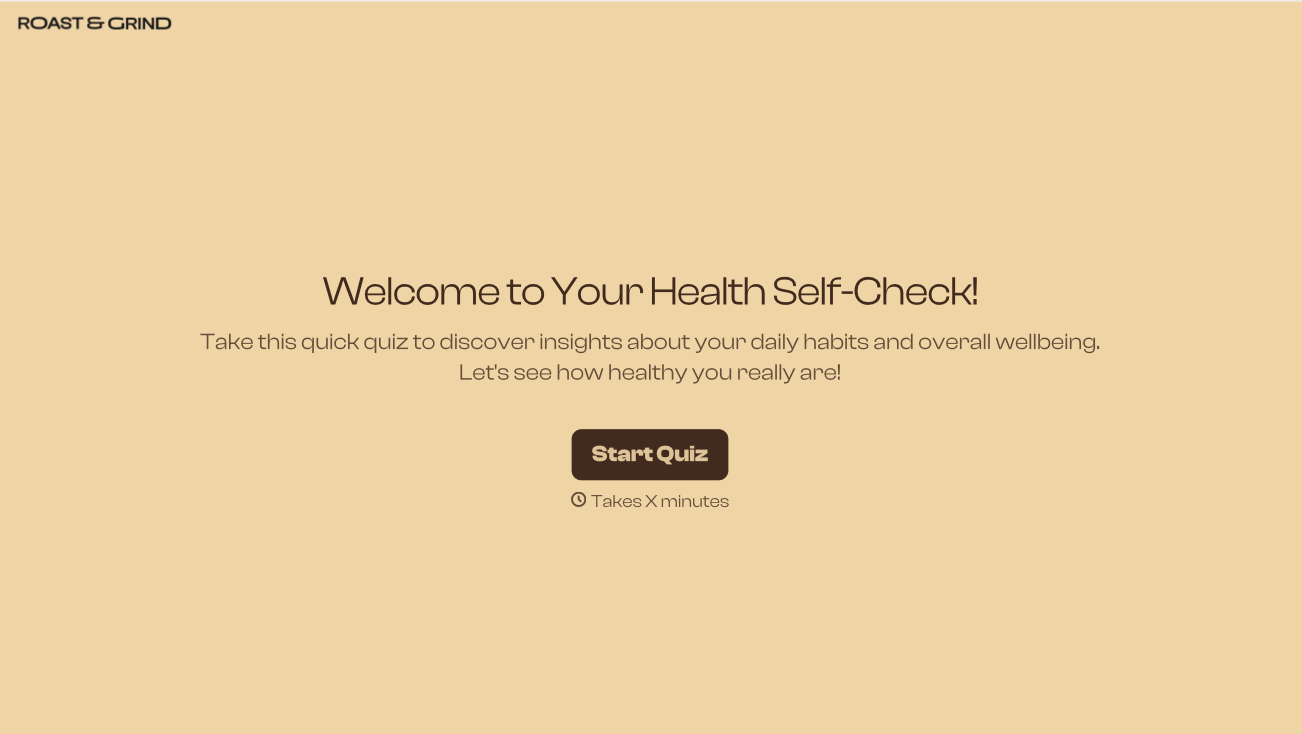
With Typeform, you can customize everything
Change text, colors, and even logos to match the look and feel of your brand. Then embed forms smoothly onto web and email.
Make forms feel effortless to fill out. Pace questions, call people by their name, and adapt the flow based on the data they share.
Stay efficient by connecting forms to your workflow. Typeform integrates with 300+ tools including Slack, Zapier, and HubSpot.