Customer Engagement Survey Form
A quarterly engagement survey blasted to the entire customer list, whether someone logged in yesterday or six months ago, gets back an average score nobody can act on. Ask the right question to the right customer, at the moment their actual behavior gives you something to ask about.



Right now, the engagement survey goes out to everyone at once on the same schedule, the same five questions whether someone's a new signup or a three-year power user. The results come back as one number, a 7.2 average satisfaction score, and there's no way to tell if that's dragged down by a handful of at-risk accounts or genuinely flat across the board.
Typeform's customer engagement survey segments by lifecycle stage or usage level, so a new customer gets asked about onboarding while a long-time user gets asked about feature depth, not the same generic question. It mixes a closed rating question, effort, satisfaction, likelihood to recommend, with an open-ended follow-up for context, and conditional logic can surface that follow-up, or a request to get in touch, only when a score comes in low. Send it right after a specific interaction, a support ticket closing, a renewal, a feature launch, instead of a blind quarterly blast, since how someone felt about an interaction fades fast.
Connect responses to a CRM or customer success tool through Zapier, and a low score attaches to that account's record instead of sitting in a spreadsheet of averages. A pattern across accounts, a specific feature, a specific plan tier, a specific onboarding step, becomes visible instead of buried in one blended number. And whatever you change because of it is worth telling customers, since a survey that never visibly leads to anything trains people to stop answering it honestly.
A customer engagement survey form is an online survey that measures how customers feel about and interact with a product or service, mixing a rating question, satisfaction, effort, or likelihood to recommend, with open-ended follow-ups, and segmented by who the customer is and where they are in their lifecycle rather than sent identically to everyone.
Because a new customer and a three-year customer have almost nothing in common to say about the same five questions, and perceptions of an interaction fade within minutes to hours. A survey sent right after a specific moment, and worded for who's actually answering it, gets a more honest and more useful response than one blasted quarterly to the whole list.
Build it around what you'll actually act on:
- Segmentation by lifecycle stage or usage level, new versus existing, light versus heavy user
- A rating question, satisfaction, effort, or likelihood to recommend, depending on what you're measuring
- An open-ended follow-up for context on why the score is what it is
- Timing tied to a specific interaction rather than a fixed calendar date
- A path to follow up directly with anyone who flags a problem
Related, but not the same. NPS and CSAT are sentiment scores, how someone felt at a moment in time, while engagement is closer to a pattern of actual behavior, how often someone logs in, how much of the product they use, over time. A survey score is a useful proxy and a way to get the "why" behind the numbers, but it's worth pairing it with real usage data rather than treating the survey as the whole picture.
Yes. Conditional logic can show an additional question, or a "can we reach out?" contact field, only when a rating comes in below whatever threshold counts as at-risk for you, so a strong score stays a quick one-question interaction and a weak one gets the follow-up it actually needs.
Get inspired by relevant templates and categories
3200+ Templates, 300+ Integrations
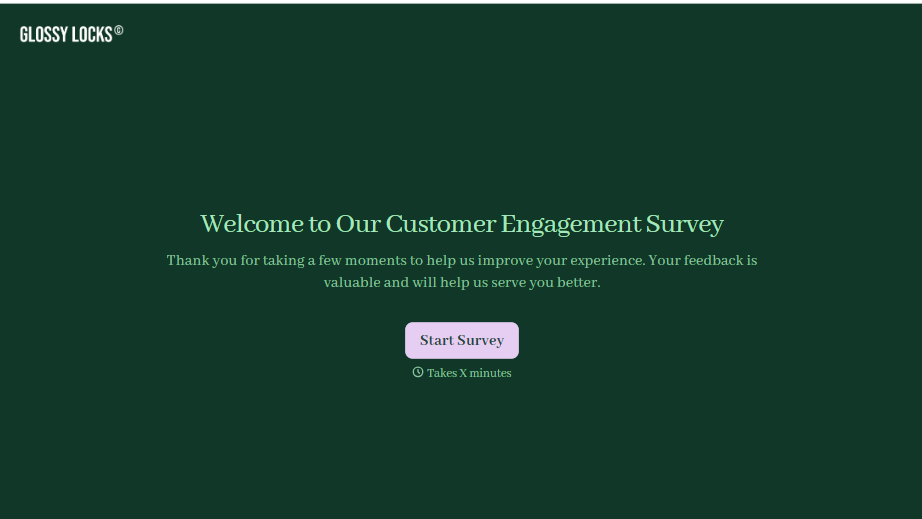
Customer Engagement Survey Form
A quarterly engagement survey blasted to the entire customer list, whether someone logged in yesterday or six months ago, gets back an average score nobody can act on. Ask the right question to the right customer, at the moment their actual behavior gives you something to ask about.
View template
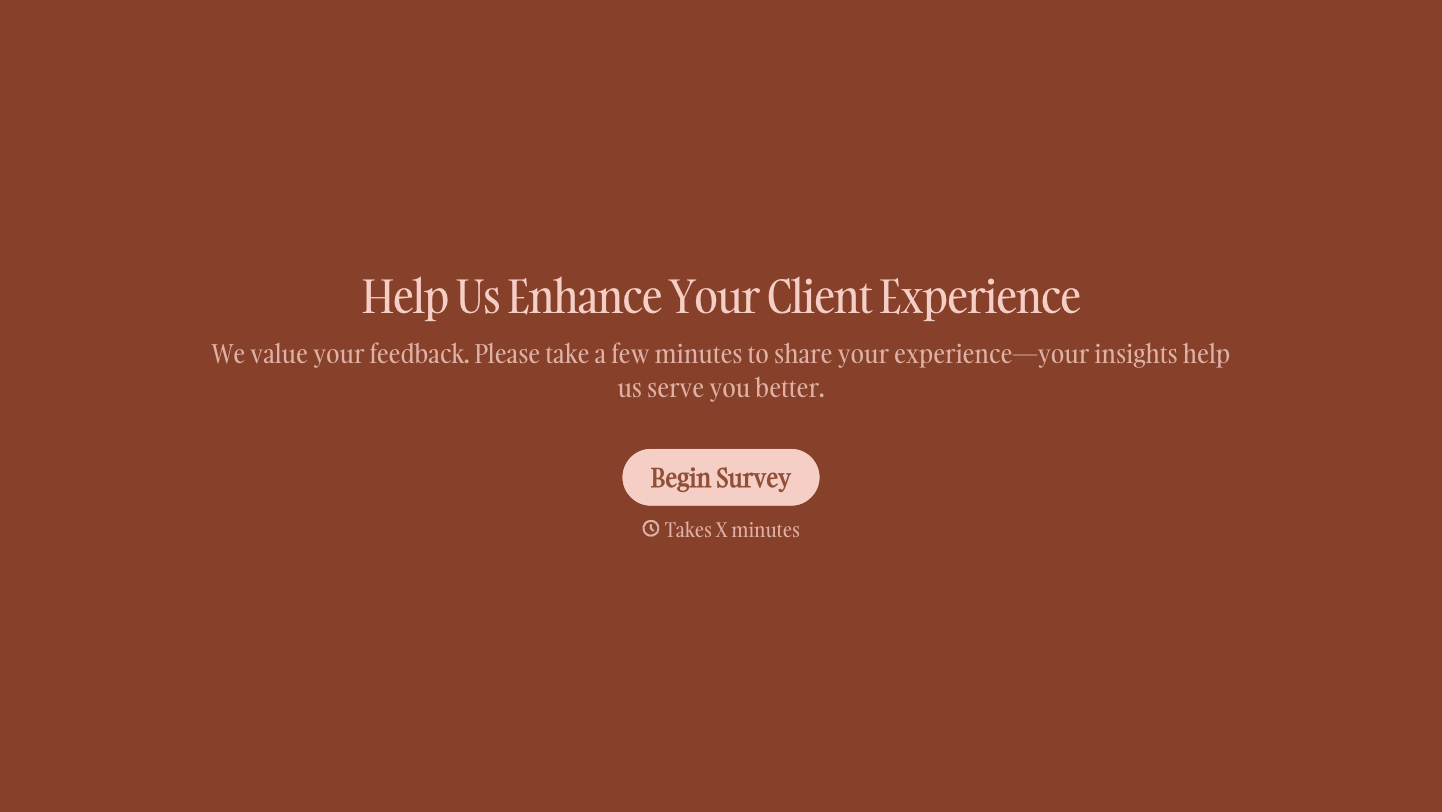
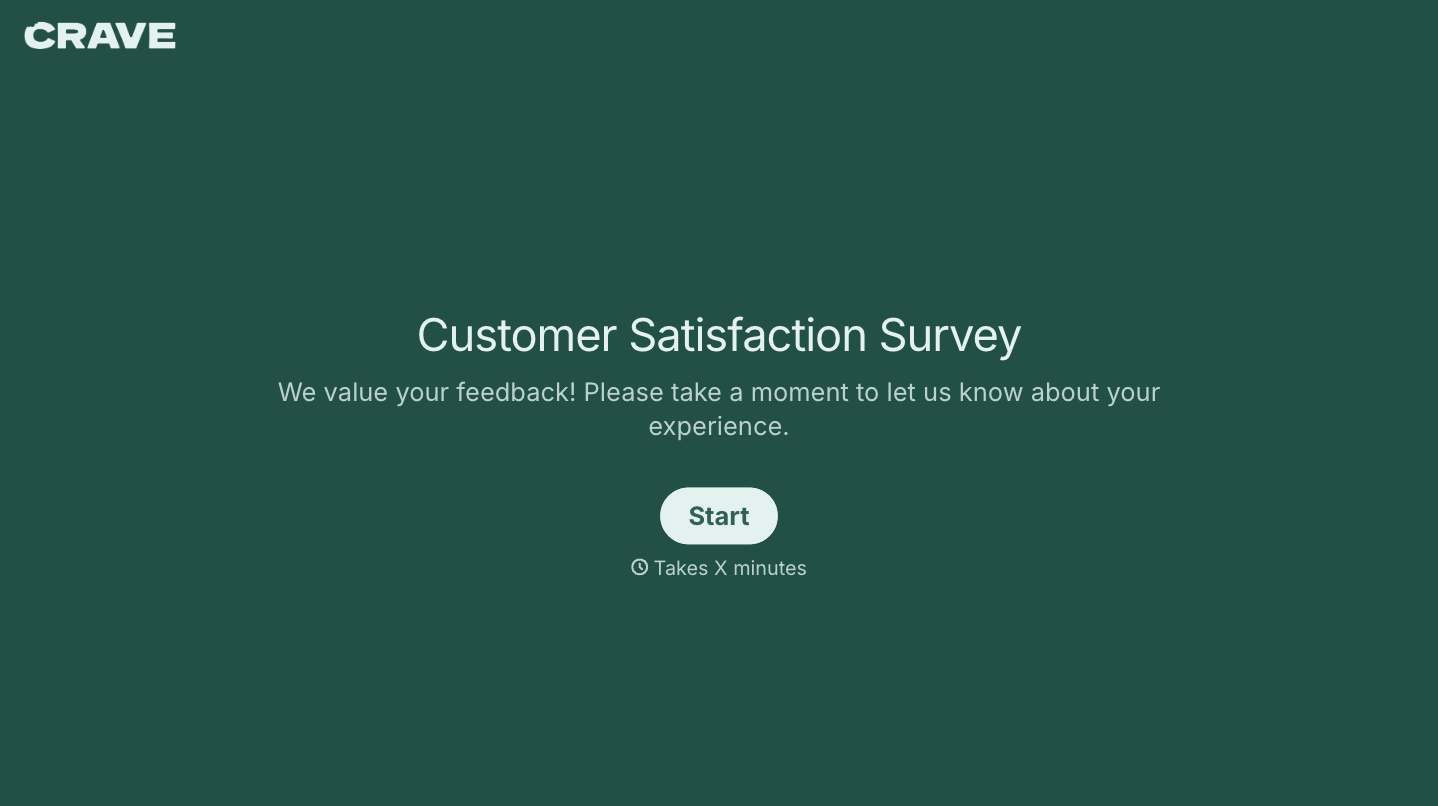
With Typeform, you can customize everything
Change text, colors, and even logos to match the look and feel of your brand. Then embed forms smoothly onto web and email.
Make forms feel effortless to fill out. Pace questions, call people by their name, and adapt the flow based on the data they share.
Stay efficient by connecting forms to your workflow. Typeform integrates with 300+ tools including Slack, Zapier, and HubSpot.