Framing Inspection Checklist Form
Run framing checks and document them before walls close in—catch structural issues while you still can.



Framing inspections without a consistent checklist result in missed structural elements and compliance gaps that surface later in construction. Catching a framing deficiency before the walls close is far less costly than finding it after. Typeform's framing inspection checklist form gives inspectors and contractors a structured, digital way to document every element before sign-off.
The form covers wall framing, floor and ceiling joists, header sizes, beam spans, shear wall nailing, blocking, and fire stops. Inspectors work through one area at a time, covering every structural element before the inspection closes. When a deficiency is noted, conditional logic opens follow-up fields to capture the location, severity, and required corrective action. A shear wall nailing deficiency triggers questions about the affected area and the corrective action required before sign-off.
Customize it with your jurisdiction's code references, specific framing requirements, project type, and inspector or contractor branding. Assign it to the site inspector for each framing check, or share it with the contractor for pre-inspection self-certification. Every completed checklist flows into Google Sheets via Zapier, so framing records are organized alongside the broader construction documentation. Structural deficiencies are caught at the right stage. Your project moves forward with a framing record that satisfies compliance requirements.
A framing inspection checklist form records the structural elements an inspector examines before walls are closed in. It captures wall framing, floor and ceiling joists, header sizes, shear wall nailing, blocking, fire stops, and required connections. Think of it as the sign-off record that confirms framing was inspected and code-compliant before the project progressed.
Framing deficiencies discovered after walls are closed require demolition, remediation, and reinspection before construction can proceed. Correcting a framing deficiency after close-in costs far more in time and materials than catching it during the inspection. A structured checklist ensures your team assesses every element to the same standard, regardless of who conducts the inspection. Use it for residential new builds, commercial construction, additions, and any framing stage requiring code sign-off.
Cover every structural element your jurisdiction requires:
- Project address and permit number
- Inspector or contractor name and license number
- Date and stage of inspection
- Wall framing (stud spacing, plumb, alignment)
- Floor and ceiling joist sizing and spans
- Headers and beams (size, bearing, connections)
- Shear wall nailing and hold-down connections
- Blocking and bridging
- Fire stops and draft stops
- Anchor bolts and post bases
- Any deficiencies identified and corrective action required
- Inspection result (pass, conditional pass, fail) and next steps
Use Typeform's File Upload feature to let inspectors attach photos of framing deficiencies or connection details directly in the checklist. Accepted file types include JPG, PNG, and PDF, with a 10MB limit per file. Photos arrive with the written record, so engineers or building authorities review the evidence without a return site visit. File Upload is available on paid Typeform plans.
Use Zapier to route each completed checklist to the relevant engineer, building authority, or project manager automatically. A failed result triggers an automatic Zapier notification to the contractor, so corrective action starts before the next stage. Routing ensures the right person sees each result without waiting for a manual handoff, keeping the project on schedule.
Get inspired by relevant templates and categories
3200+ Templates, 300+ Integrations
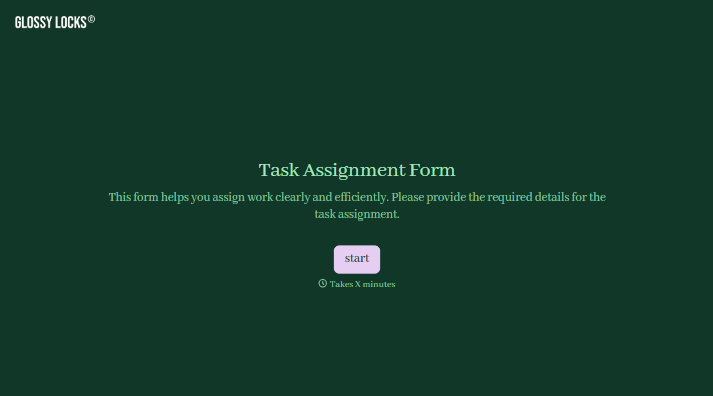
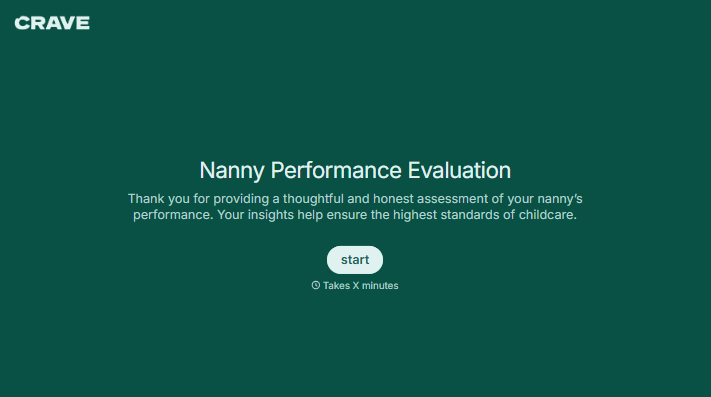
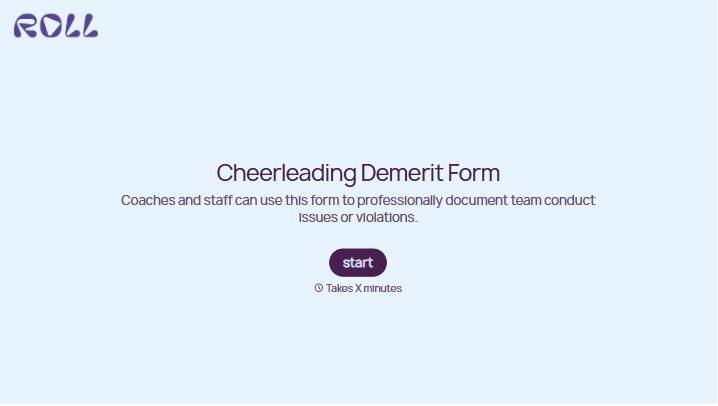

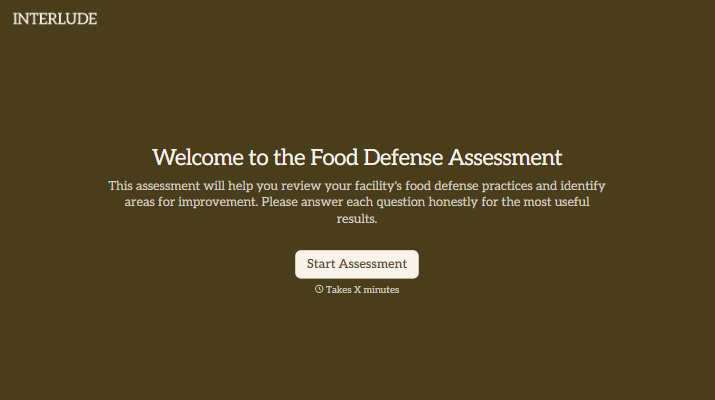
With Typeform, you can customize everything
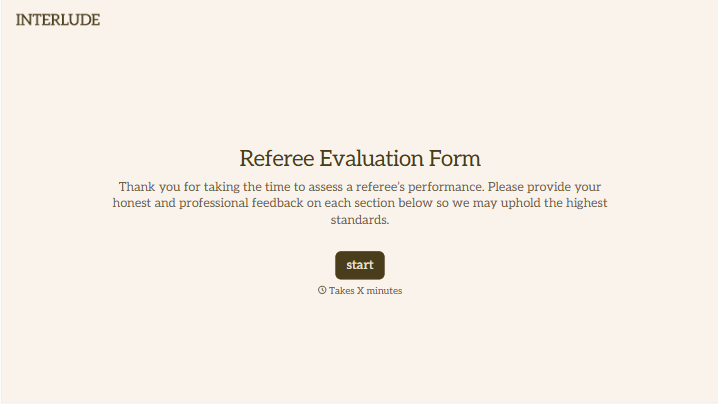
Change text, colors, and even logos to match the look and feel of your brand. Then embed forms smoothly onto web and email.
Make forms feel effortless to fill out. Pace questions, call people by their name, and adapt the flow based on the data they share.
Stay efficient by connecting forms to your workflow. Typeform integrates with 300+ tools including Slack, Zapier, and HubSpot.