Nanny Evaluation Form
Give families a clear way to review their nanny’s work and discuss support needs. Record observations about care, communication, and agreed responsibilities so feedback leads to practical next steps.



A nanny has helped make mornings calmer, but changes to the afternoon schedule aren’t always communicated in time. The family appreciates the care, while the nanny needs clearer instructions when plans shift. A nanny evaluation form gives both sides a starting point for that conversation.
Reviewers reflect on the responsibilities agreed for the role and describe specific examples from the review period. You can ask about daily routines, engagement with the children, reliability, and communication. Leave room for the nanny’s perspective, including questions about expectations and resources they need.
Families get a consistent way to recognize good work and raise concerns. Nannies get feedback they can understand and respond to. The review can end with shared expectations and a plan to check how things are going.
A nanny evaluation form organizes feedback about a nanny’s work over a defined period. It typically covers childcare responsibilities, communication, reliability, and adherence to agreed routines. Families and childcare agencies use it to support performance conversations and document follow-up actions.
When feedback happens only during a rushed handover, important points can go unexplained. A structured review gives families time to recognize strengths and discuss concerns with examples. It also creates space for the nanny to explain what would help them carry out their responsibilities.
Focus on the role’s agreed duties and the family’s current needs:
- Nanny’s name, reviewer, and review period
- Care and engagement appropriate to the children’s needs
- Follow-through on agreed routines and instructions
- Reliability and punctuality
- Communication about daily activities and concerns
- Responsibilities completed well
- Specific examples of areas needing improvement
- Nanny’s comments and support requests
- Agreed actions and follow-up date
Include a “Not applicable” option for duties that are outside the role.
Review the responsibilities agreed in advance and describe observable actions. “Please record changes to nap times in the daily update” is clearer than “Communicate better.” Recognize what is working, ask for the nanny’s perspective, and distinguish a performance concern from a new responsibility that needs discussion.
Agree on a review schedule together, such as after an initial settling-in period and at regular intervals afterward. Revisit expectations when routines or responsibilities change. Address time-sensitive concerns promptly rather than saving them for the next scheduled evaluation.
Get inspired by relevant templates and categories
3200+ Templates, 300+ Integrations
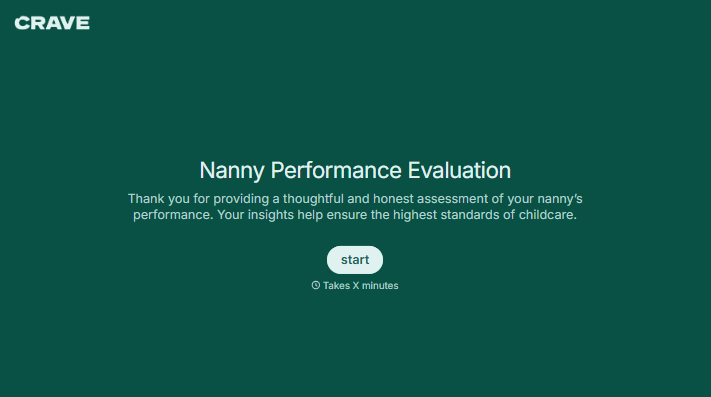
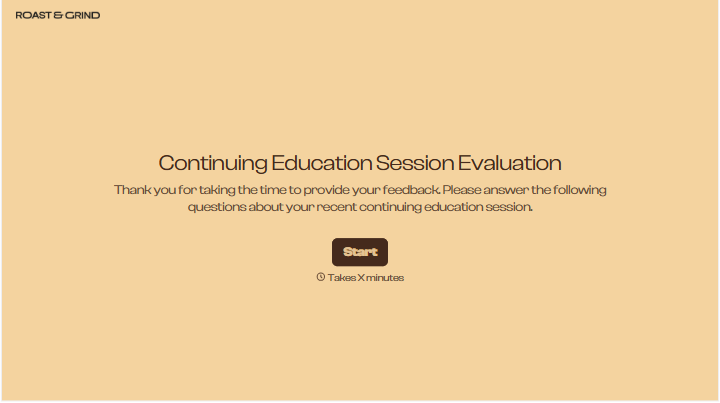
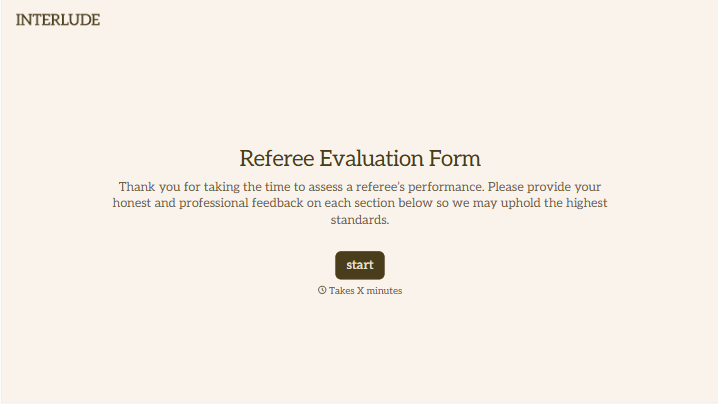
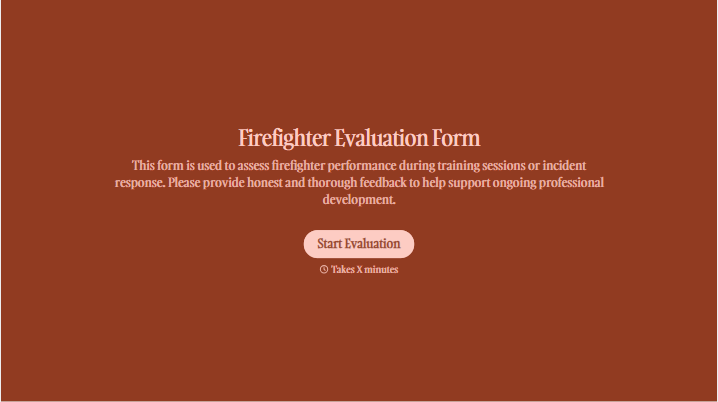

With Typeform, you can customize everything
Change text, colors, and even logos to match the look and feel of your brand. Then embed forms smoothly onto web and email.
Make forms feel effortless to fill out. Pace questions, call people by their name, and adapt the flow based on the data they share.
Stay efficient by connecting forms to your workflow. Typeform integrates with 300+ tools including Slack, Zapier, and HubSpot.