Gun Appraisal Form
An appraisal appointment that starts with 15 minutes of writing down the maker, model, serial number, and condition by hand, while the actual valuation waits, isn't making good use of anyone's time in the room. Collect the details before the item comes in, so the appointment is about the appraisal, not the intake.



Right now, an appraisal often starts with the appraiser writing down the maker, model, serial number, caliber, and condition by hand while the client waits, before any actual valuation work happens. Provenance details, purchase receipts, family history, get mentioned verbally and half-remembered instead of recorded anywhere useful.
Typeform's gun appraisal form collects item details up front, maker, model, serial number, caliber or gauge, action type, and condition, along with known history or documentation, and the purpose of the appraisal, insurance, estate, resale, donation, since that changes what the final report needs to say. A file upload lets a client submit photos ahead of the appointment, and conditional logic can route to different follow-up questions depending on whether the item is a modern firearm or a potential antique or collectible, where originality and any alterations matter more to the value.
Every intake lands in one record, searchable by client or by item, instead of handwritten notes from a dozen different appointments. Worth building in accurately: photos and condition notes submitted through a form are a starting point, not a substitute for physically examining the firearm, an appraiser should still assume any firearm may be loaded until they've personally confirmed otherwise, and shouldn't rely on a client's own description of mechanical condition without inspecting it directly. And an appraisal is a valuation, not a sale or transfer. Any actual sale still has to go through whatever legal process applies, a background check, a licensed dealer, depending on where you and the client are, and this form doesn't handle that part.
A gun appraisal form is an intake form clients complete before a firearm appraisal appointment, providing item details, condition, and provenance, along with the purpose of the appraisal, so the appraiser walks in with a written record instead of starting from a blank page.
Because writing down the maker, model, serial number, and condition by hand while a client waits turns the appointment into data entry before any actual appraisal work happens. Collecting it beforehand means the time in the room goes toward the valuation, and provenance details get recorded in writing instead of half-remembered from a conversation.
Cover what actually affects the valuation and the final report:
- Client contact information
- Maker, model, serial number, and caliber or gauge
- Condition, including any known alterations, refinishing, or replaced parts
- Provenance, purchase receipts, service history, or family documentation
- Purpose of the appraisal, insurance, estate, resale, or donation
- Photos of the item
Yes, through a file upload question. Photos should be taken with the firearm safely handled and assumed to be loaded until confirmed otherwise, without firing, disassembling, or cleaning it beforehand, since those actions can affect both safety and the item's value or authenticity. Photos are useful for a preliminary look, but they don't replace a qualified appraiser physically examining the item.
No. An appraisal establishes value, it isn't a sale or a transfer, and it doesn't handle the legal requirements that come with either, background checks, licensed dealer involvement, and other rules that vary by where you and the client are located. If an appraisal leads to an actual sale, direct the client to the appropriate legal process rather than treating the appraisal itself as covering it.
Get inspired by relevant templates and categories
3200+ Templates, 300+ Integrations
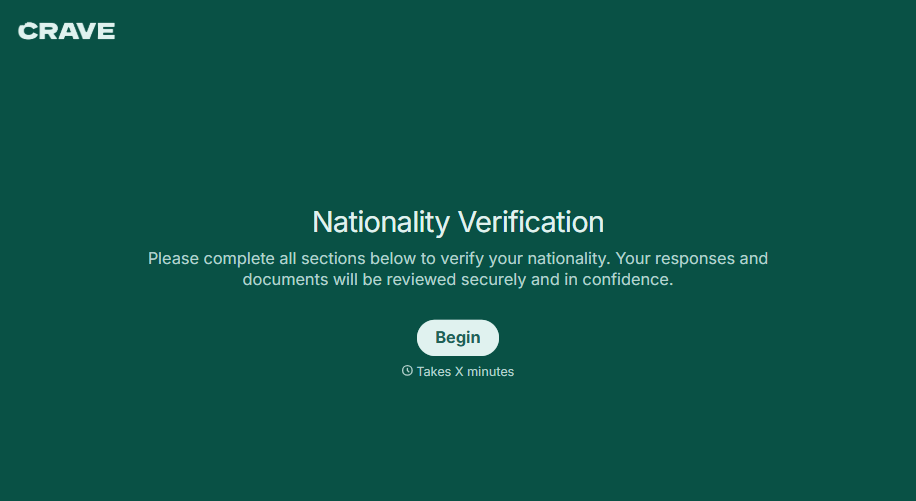
Nationality Verification Form
A self-certification buried in a stack of new account paperwork isn't the kind of record a compliance team can rely on for a regulatory filing. Collect nationality, tax residency, and a signed declaration before an account opens, so compliance isn't chasing down a customer's citizenship status after the fact.
View template
Policy Cancellation Form
A cancellation requested over the phone doesn't leave a clear record of exactly what date the policyholder actually asked for, and that date matters more than it sounds like it should. Collect what your agency actually needs, policy details, identity verification, and the requested effective date, before coverage actually ends.
View template
Inheritance Beneficiary Form
Asking a grieving family member for the same banking details across three different phone calls doesn't make settling an estate go any faster. Collect what your firm actually needs, beneficiary information, identification, and distribution details, in one submission instead of three calls.
View template
With Typeform, you can customize everything
Change text, colors, and even logos to match the look and feel of your brand. Then embed forms smoothly onto web and email.
Make forms feel effortless to fill out. Pace questions, call people by their name, and adapt the flow based on the data they share.
Stay efficient by connecting forms to your workflow. Typeform integrates with 300+ tools including Slack, Zapier, and HubSpot.