Hair Salon New Client Consent Form
A consent form signed at the shampoo bowl, after the color's already been mixed, isn't informed consent, it's paperwork completed after the risk has already started. Get the allergy history, the patch test acknowledgment, and the liability disclosure settled before a single ounce of color touches anyone's scalp.



Right now, a new client's hair history and allergy information often gets asked out loud during the consultation, five minutes before a chemical service starts, mixed in with small talk about what they're hoping for. If a patch test was supposed to happen 48 hours earlier, there's usually no record of whether it actually did.
Typeform's hair salon new client consent form collects hair history, recent chemical treatments done elsewhere, and sensitivities before the appointment, with conditional logic surfacing the specific consent and risk disclosures for whichever service the client's actually booked, so someone coming in for a haircut isn't reading a color-service liability waiver that doesn't apply to them. A signature captures acknowledgment of patch test timing and the salon's policy if a client chooses to waive it, and staff can get notified automatically when someone flags an allergy or a sensitivity worth knowing before they sit down.
Every new client's consent lands in one record instead of relying on someone remembering what got mentioned verbally at the chair. Worth building in accurately: manufacturers commonly recommend a patch test 48 hours before any scalp-applied color service, and a client can still react even if they've had the exact same service before without issue, a negative patch test doesn't guarantee a safe reaction either. If a client waives the patch test, document that choice explicitly rather than assuming silence means consent, and check your specific product manufacturers' instructions and your state's cosmetology board requirements, since exact language and requirements vary.
A hair salon new client consent form is a form new clients complete before their first appointment, covering hair history, recent chemical treatments, allergies or sensitivities, and consent to the specific service being performed, including any required patch test acknowledgment.
Because a verbal conversation at the chair leaves nothing in writing, and a patch test that's supposed to happen 48 hours ahead of a color service can't happen at all if the client's chemical history only comes up once they're already in the chair. Collecting it beforehand means the stylist walks in already knowing what to ask about, and there's an actual record of what was disclosed.
Cover what protects both the client and the salon:
- Contact information and hair history
- Recent chemical treatments done elsewhere
- Allergy or sensitivity disclosure
- Service-specific risk acknowledgment, matched to what's actually being booked
- Patch test acknowledgment, including what happens if a client waives it
- A signature
Manufacturers commonly recommend testing a small amount of color on skin 48 hours before a scalp-applied color service, since an allergic reaction can happen even in someone who's had the identical service before without any issue, and a negative patch test doesn't guarantee a safe reaction either. If a client declines the test, document that they were informed of the risk and chose to waive it, rather than treating silence or a rushed verbal okay as documented consent.
Not necessarily. A consent form can document that risks were disclosed and a patch test was offered or waived, but whether it actually protects the salon depends on how it's written, what happened, and where you operate, and it generally doesn't cover negligence. Worth having your specific consent and waiver language reviewed by an attorney familiar with your state's requirements, rather than relying on a generic template as-is.
Get inspired by relevant templates and categories
3200+ Templates, 300+ Integrations
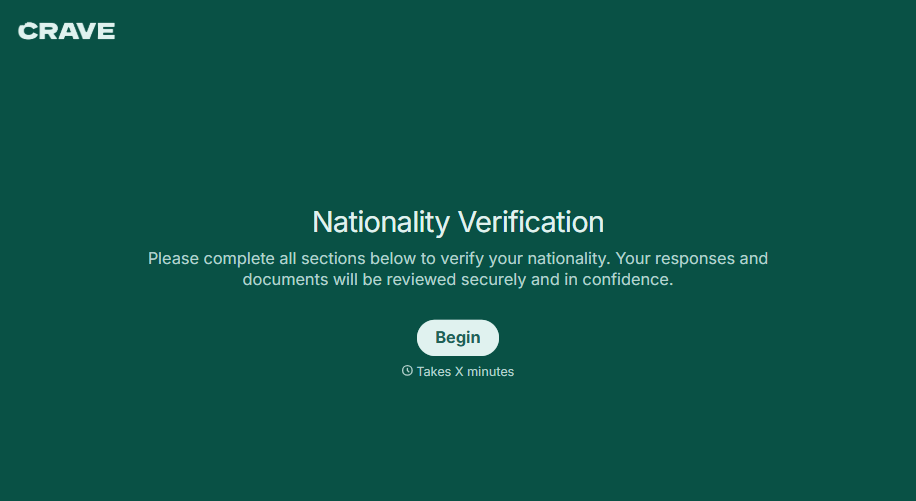
Nationality Verification Form
A self-certification buried in a stack of new account paperwork isn't the kind of record a compliance team can rely on for a regulatory filing. Collect nationality, tax residency, and a signed declaration before an account opens, so compliance isn't chasing down a customer's citizenship status after the fact.
View template
Policy Cancellation Form
A cancellation requested over the phone doesn't leave a clear record of exactly what date the policyholder actually asked for, and that date matters more than it sounds like it should. Collect what your agency actually needs, policy details, identity verification, and the requested effective date, before coverage actually ends.
View template
Inheritance Beneficiary Form
Asking a grieving family member for the same banking details across three different phone calls doesn't make settling an estate go any faster. Collect what your firm actually needs, beneficiary information, identification, and distribution details, in one submission instead of three calls.
View template
With Typeform, you can customize everything
Change text, colors, and even logos to match the look and feel of your brand. Then embed forms smoothly onto web and email.
Make forms feel effortless to fill out. Pace questions, call people by their name, and adapt the flow based on the data they share.
Stay efficient by connecting forms to your workflow. Typeform integrates with 300+ tools including Slack, Zapier, and HubSpot.