Hand Hygiene Observation Form Template
Track hand hygiene compliance in real time—and see exactly where it breaks down before it becomes an incident.



Compliance policies only work if someone's watching. When hand hygiene audits rely on paper checklists or rushed spot checks, the data you collect isn't data — it's a best guess. This template gives infection control teams, clinical supervisors, and workplace health officers a structured, repeatable way to record observations in real time.
It captures the essentials: the employee you observed, what prompted the observation, which technique they used, and whether they complied. Typeform’s one-question-at-a-time design keeps observers focused. Conditional logic adapts the form to each setting — so an ICU assessment looks nothing like a food prep audit.
Responses sync automatically to Google Sheets, Airtable, or your compliance platform via Zapier, producing clean, sortable records, instead of a folder of scanned clipboards. Set it up in minutes, customize it to your facility or regulatory standard, and use it on any device.
A hand hygiene observation form is a structured tool that records and assesses whether individuals—healthcare workers, food service staff, or other professionals—follow proper hand hygiene practices at key moments. It typically captures who you observed, the opportunity type (before patient contact, after glove removal, before food handling, etc.), the technique used (soap and water vs. alcohol-based hand rub), and whether they complied or missed the moment. It functions as both an audit instrument and a training reference.
What gets measured gets managed—but verbal reminders and posted protocols create awareness, not accountability. A structured observation form gives you a consistent record across shifts and departments, showing where compliance breaks down, and whether your interventions are working. It also supports accreditation, infection prevention reporting, and regulatory compliance across healthcare, food service, and hospitality.
At minimum, your form should capture:
- Observer name, role, date, time, and location
- The individual or role you observed
- The hand hygiene opportunity type (e.g., before patient contact, after glove removal)
- The action taken—or not taken
- The technique assessed: duration, product used, and coverage
- A notes field, pass/fail indicator, and follow-up flag if coaching is needed
Collect enough observations to spot patterns by unit, shift, and opportunity type, then share results regularly—not just during review cycles. Coach individuals where gaps appear, track improvement over time, and have observers share findings directly with staff so they can see how they compare to department benchmarks. The most effective programs treat recognition as seriously as correction.
Train every observer on the same criteria and definitions before they go live—"before patient contact" should mean the same thing regardless of who's observing. Use fixed-choice fields rather than open text to prevent interpretation drift, and rotate observers across teams to reduce familiarity bias. Check periodically that different observers score the same situations the same way; small inconsistencies quietly distort your data over time.
Get inspired by relevant templates and categories
3200+ Templates, 300+ Integrations
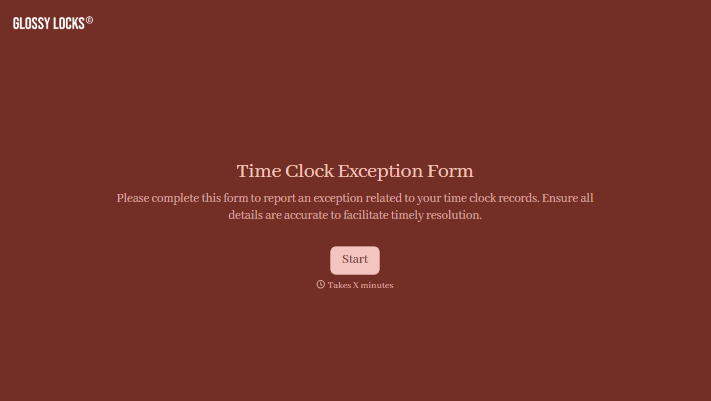
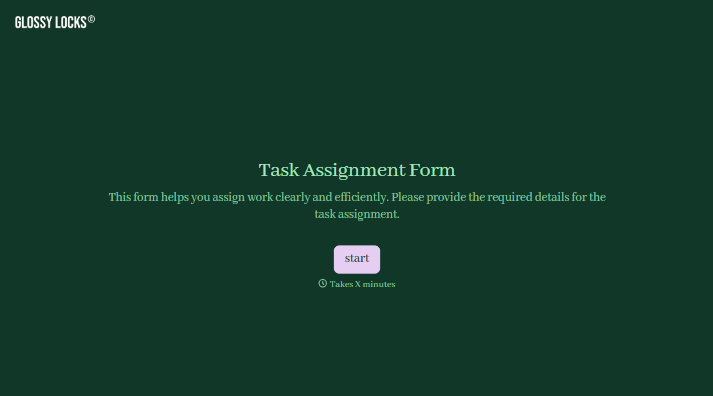
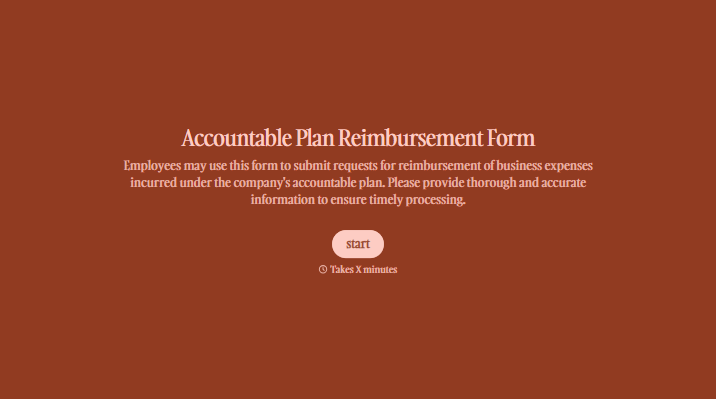
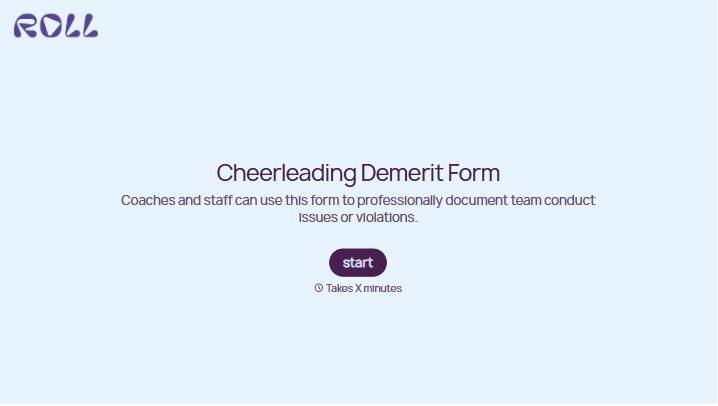
With Typeform, you can customize everything
Change text, colors, and even logos to match the look and feel of your brand. Then embed forms smoothly onto web and email.
Make forms feel effortless to fill out. Pace questions, call people by their name, and adapt the flow based on the data they share.
Stay efficient by connecting forms to your workflow. Typeform integrates with 300+ tools including Slack, Zapier, and HubSpot.