Legal Aid Application Form Template
Help individuals access legal support by making the application process clear and straightforward. This template captures the information legal aid providers need to assess eligibility and prioritize cases.



People who need legal aid are often navigating stressful, urgent situations. A complicated or confusing application process is a barrier they shouldn't have to face. When applications arrive incomplete or in inconsistent formats, caseworkers spend time chasing information instead of helping clients.
This legal aid application form template guides applicants through the process step by step. It collects contact details, the nature of the legal issue, income and household information, and any urgency factors. Conditional logic surfaces additional questions based on the type of legal matter — a housing issue prompts different fields than a family law matter. Responses are captured centrally, so caseworkers can triage and prioritize without sorting through paperwork.
Adapt the eligibility criteria fields to your organization's thresholds, add your contact details, and publish the form through your client-facing channels.
A legal aid application form is a document used to collect information from individuals seeking subsidized or free legal assistance. It captures details about the applicant's legal issue, financial situation, and personal circumstances to help the provider assess eligibility and allocate resources appropriately.
A consistent application process ensures that every case is assessed against the same criteria. It reduces the administrative burden on caseworkers, ensures no critical information is missing at intake, and creates a documented record that supports case management and reporting requirements.
Cover the legal, financial, and personal details needed to assess eligibility and urgency:
- Applicant's name, contact information, and date of birth
- Nature of the legal issue and relevant background
- Household income and number of dependents
- Any pending court dates or deadlines that affect urgency
- Prior legal representation or case history
- Consent to use and share application information
You should ensure that your Typeform data settings meet applicable privacy and confidentiality requirements for legal information. This includes reviewing data retention settings, limiting access to submitted responses, and having appropriate data processing agreements in place. Given the sensitivity of legal matters, consulting with your organization's data protection officer before deployment is advisable.
Typeform doesn't have a native save-and-return feature for respondents. For long forms, consider breaking the intake into multiple shorter forms connected by a clear sequence, or communicating to applicants upfront how long it will take so they can set aside time to complete it in one session.
Get inspired by relevant templates and categories
3200+ Templates, 300+ Integrations
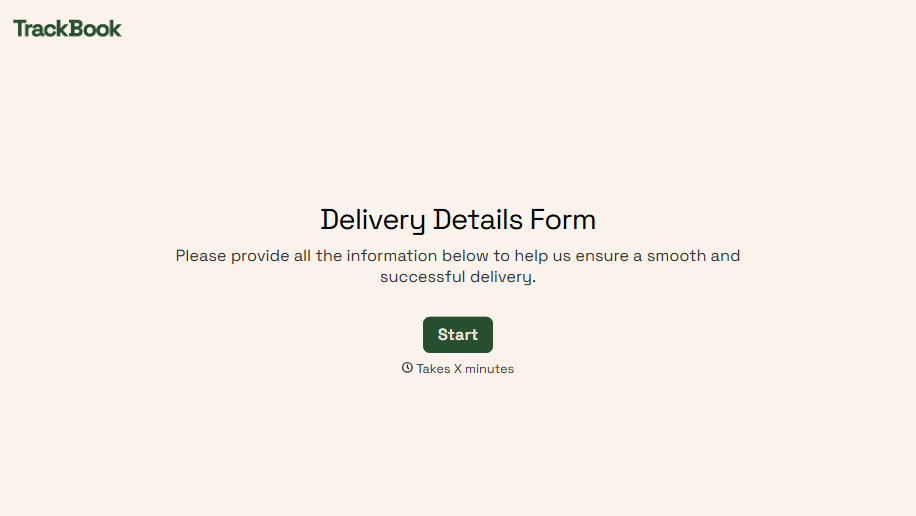
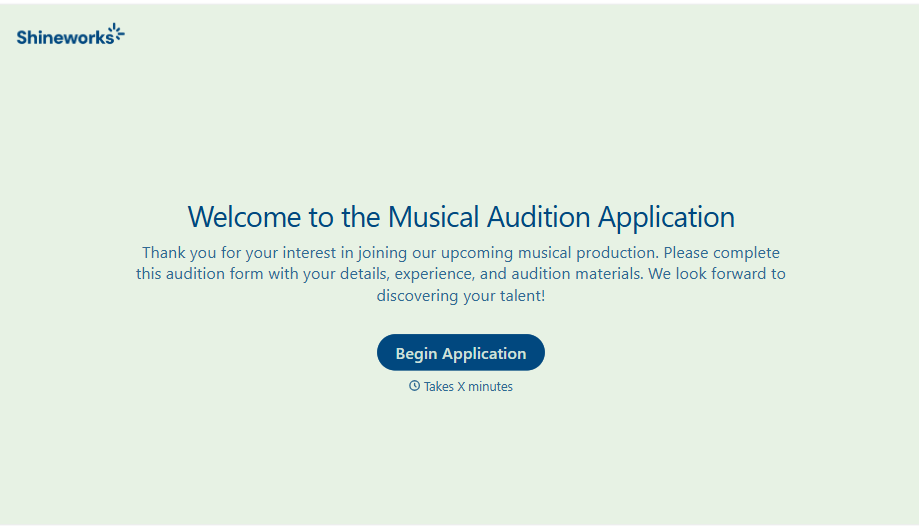
Musical Audition Form
A name scrawled on a sign-up sheet taped near the rehearsal room doesn't tell a director what role someone's after, or whether they can actually make callbacks next Tuesday. Collect what your production actually needs, contact information, role interest, and availability, before audition day arrives.
View template
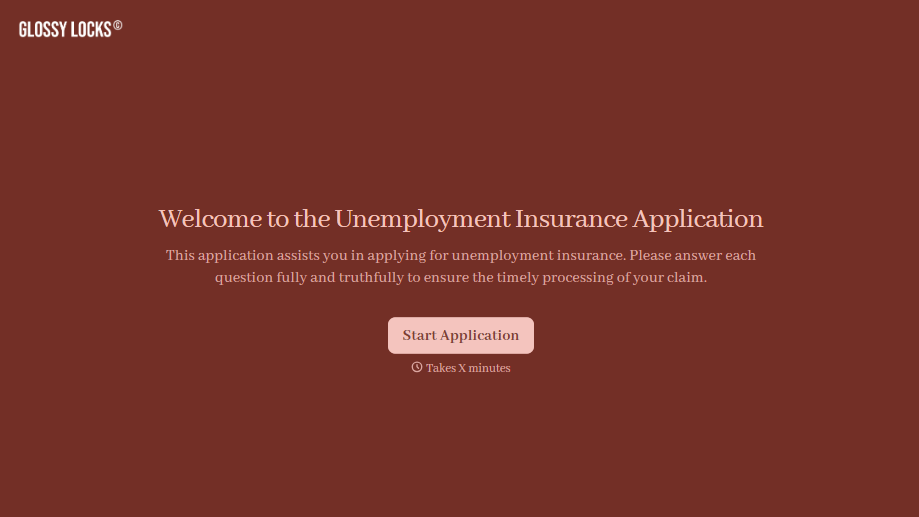
Unemployment Insurance Application Form
A stack of pay stubs gathered the morning of a filing deadline isn't the kind of preparation that gets a claim processed without delay. Collect employment history, separation details, and supporting documents before you sit down at your state's unemployment portal, so a claim doesn't stall over a missing detail.
View template
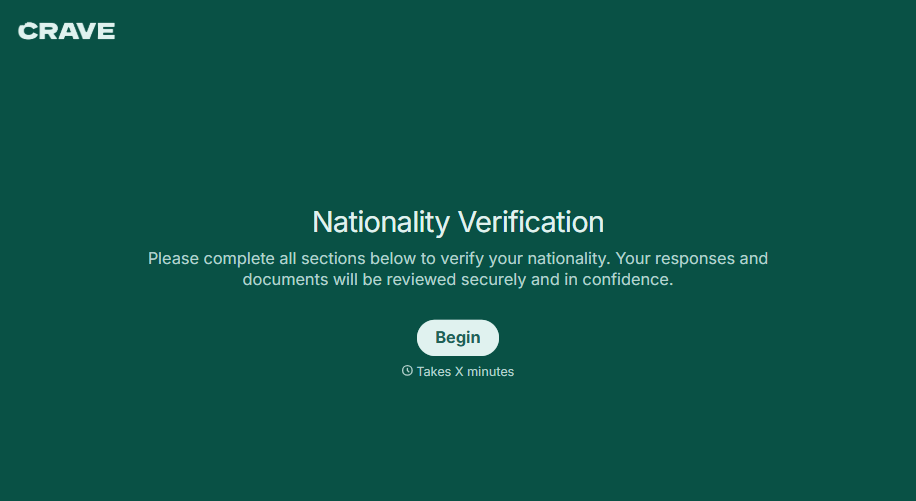
Nationality Verification Form
A self-certification buried in a stack of new account paperwork isn't the kind of record a compliance team can rely on for a regulatory filing. Collect nationality, tax residency, and a signed declaration before an account opens, so compliance isn't chasing down a customer's citizenship status after the fact.
View template
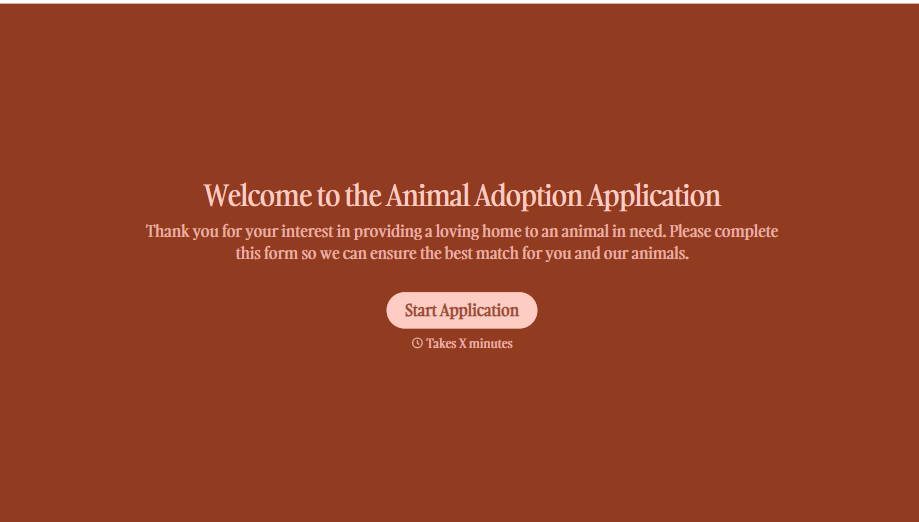
Animal Adoption Application Form
A paper application filled out at the counter while a dog's watching through the window isn't enough information to place an animal in a home that'll actually work. Collect household information, pet experience, and references before adoption day, so your staff aren't approving a placement on a rushed form.
View template
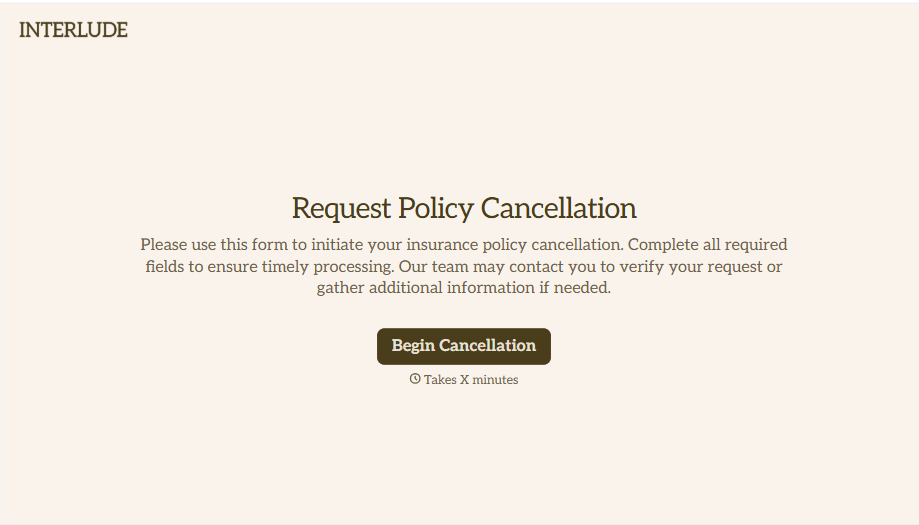
Policy Cancellation Form
A cancellation requested over the phone doesn't leave a clear record of exactly what date the policyholder actually asked for, and that date matters more than it sounds like it should. Collect what your agency actually needs, policy details, identity verification, and the requested effective date, before coverage actually ends.
View template
With Typeform, you can customize everything
Change text, colors, and even logos to match the look and feel of your brand. Then embed forms smoothly onto web and email.
Make forms feel effortless to fill out. Pace questions, call people by their name, and adapt the flow based on the data they share.
Stay efficient by connecting forms to your workflow. Typeform integrates with 300+ tools including Slack, Zapier, and HubSpot.