Online Market Research Survey Template
Find out what your market actually thinks before you bet your budget on assumptions.



Gut feelings don't scale. Whether you're launching a new product, entering a new market, or repositioning your brand, you need real data from real people. But traditional market research is expensive, slow, and often requires a research agency to translate the results into something useful.
This online market research survey template helps you gather insights on purchasing behavior, brand awareness, competitor preferences, and unmet needs directly from your target audience. Conditional logic routes respondents through relevant question paths based on their demographics or past behavior, so you collect richer data without making the survey feel endless.
Customize it to your industry, share it via email, social media, or embed it on your site, and watch the data roll in. Built-in integrations push results to your analytics tools, giving you real-time visibility into what your market is telling you.
An online market research survey is a digital questionnaire designed to gather information about consumer preferences, behaviors, and attitudes. Businesses use them to validate product ideas, understand competitive landscapes, identify market gaps, and make data-informed decisions about strategy, pricing, and positioning.
Online surveys reach more people, faster, and at a fraction of the cost of in-person interviews or focus groups. They also remove interviewer bias, since respondents answer on their own terms, often more honestly. Digital data is easier to analyze, segment, and compare over time, which makes online surveys the go-to method for modern market research.
- Demographic questions (age range, location, income bracket, industry)
- Brand awareness: "Which of these brands have you heard of?"
- Purchase behavior: "How often do you purchase [product/service]?"
- Satisfaction and pain points with current solutions
- Willingness to pay or pricing sensitivity questions
- Open-ended: "What's missing from the options currently available to you?"
Start with neutral, non-leading question wording. "How would you rate..." not "Don't you agree that..." Randomize answer options where possible to eliminate order bias. Use a mix of question types (scales, multiple choice, open-ended) to prevent pattern responses. And keep the survey under 10 minutes, because fatigued respondents give lower-quality data.
It depends on your audience size and how precise you need the results to be. For most small-to-mid-size businesses, 200-400 responses provide a solid directional picture. If you're making a high-stakes decision like pricing a flagship product, aim for 1,000+ and segment by demographics. Statistical significance calculators can help you determine the exact number for your situation.
Get inspired by relevant templates and categories
3200+ Templates, 300+ Integrations
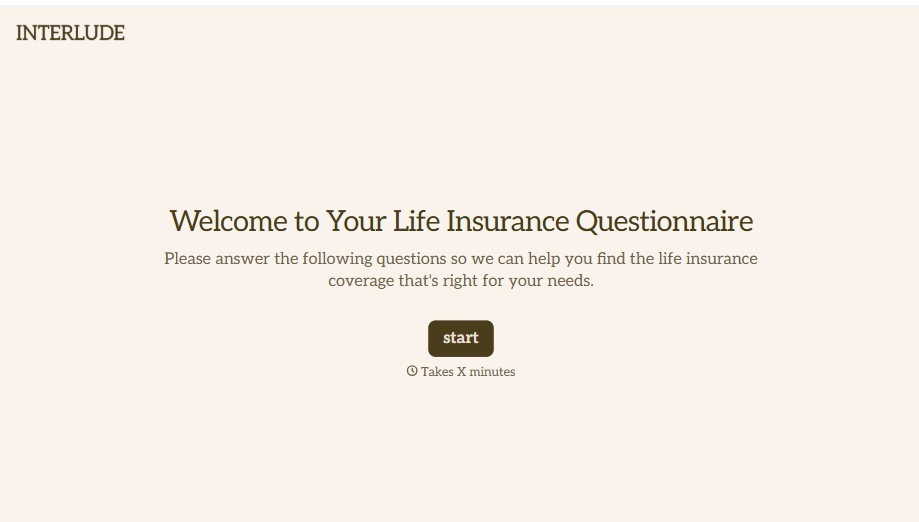
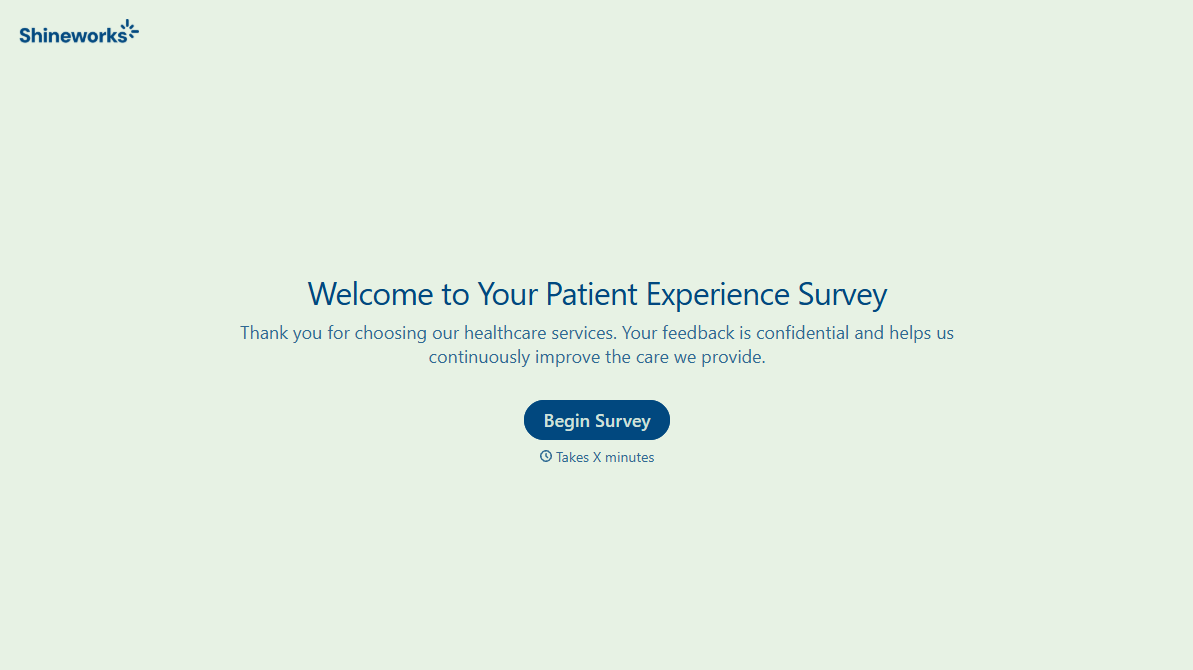
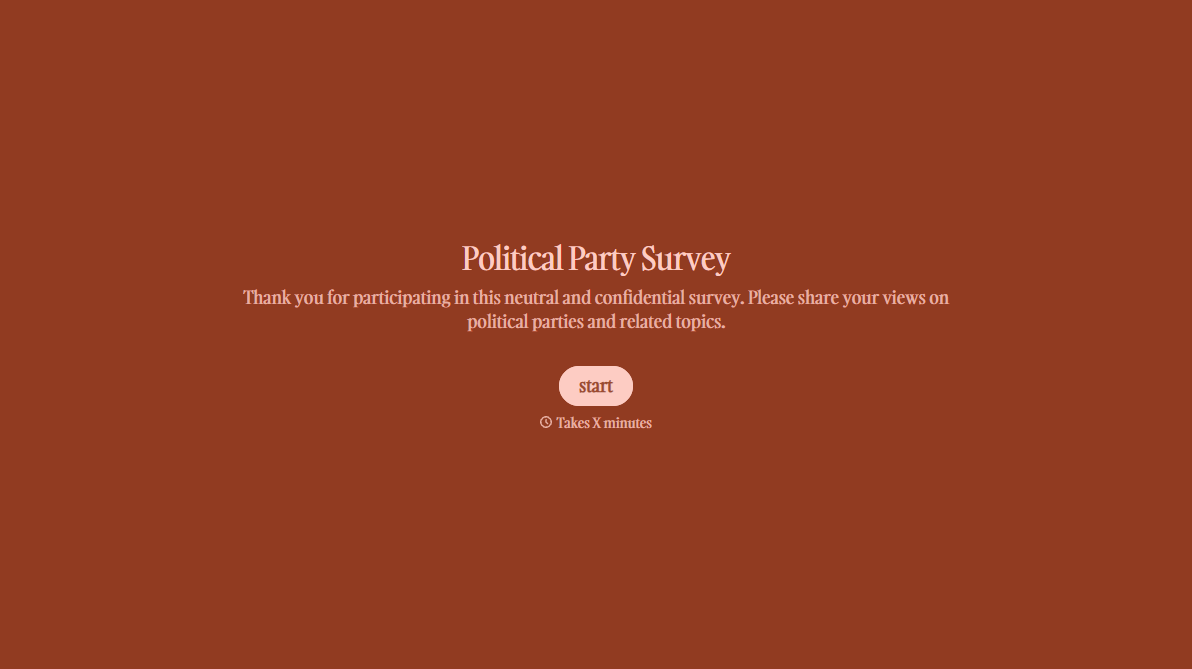
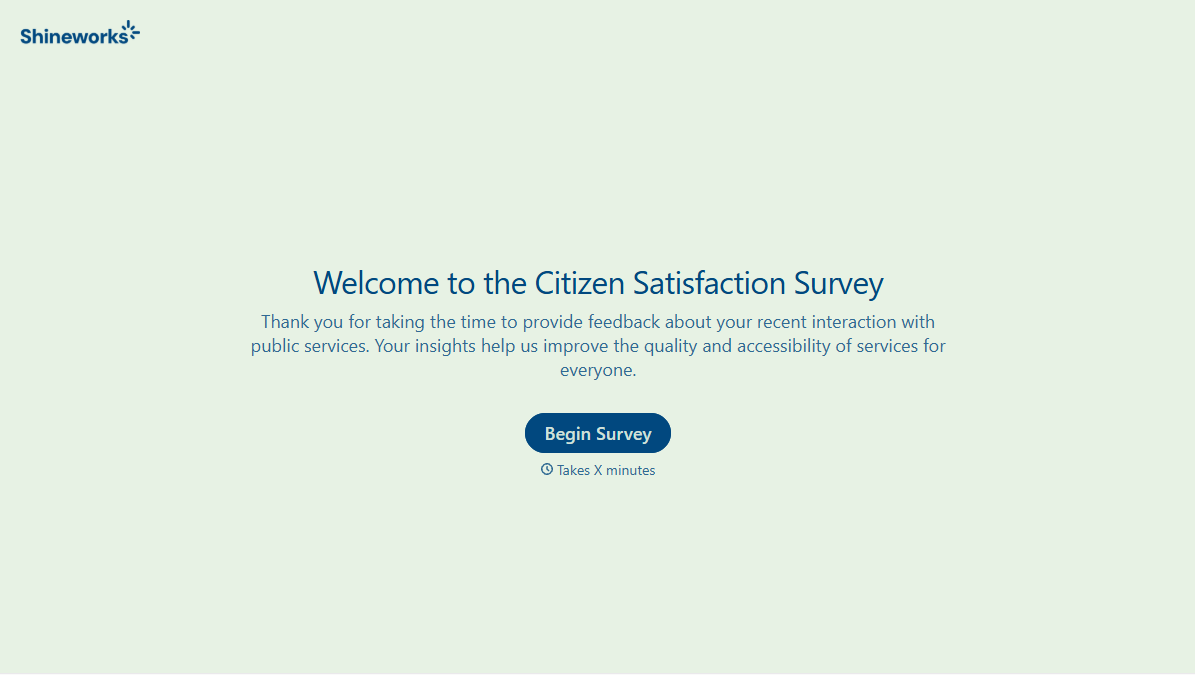
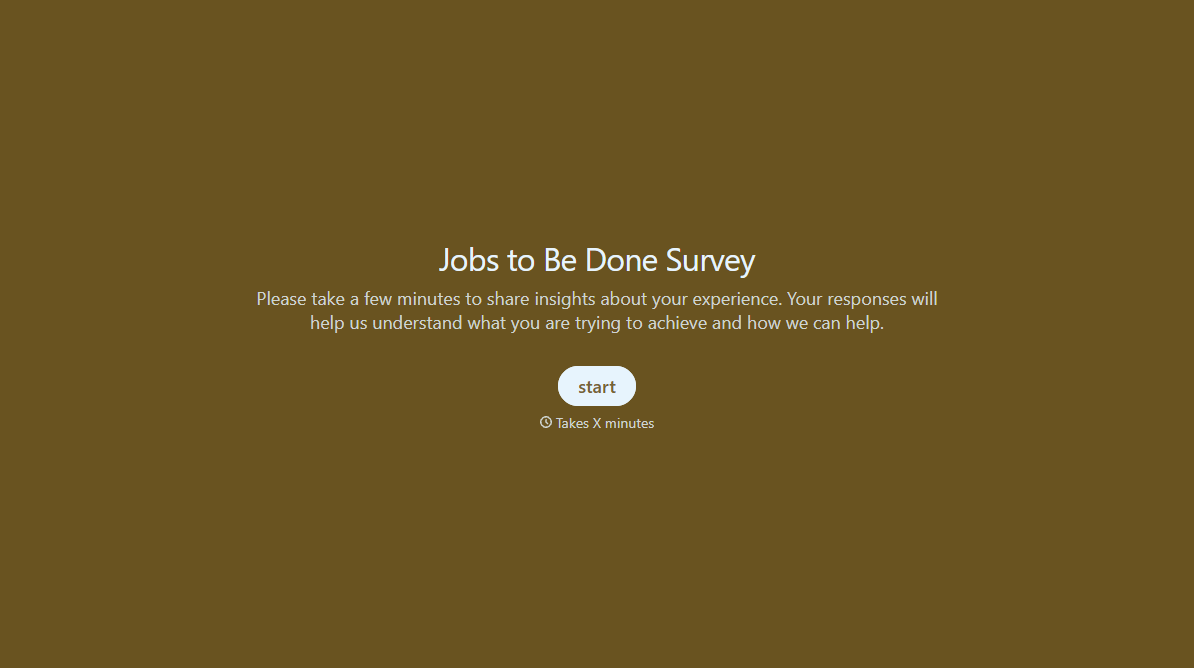
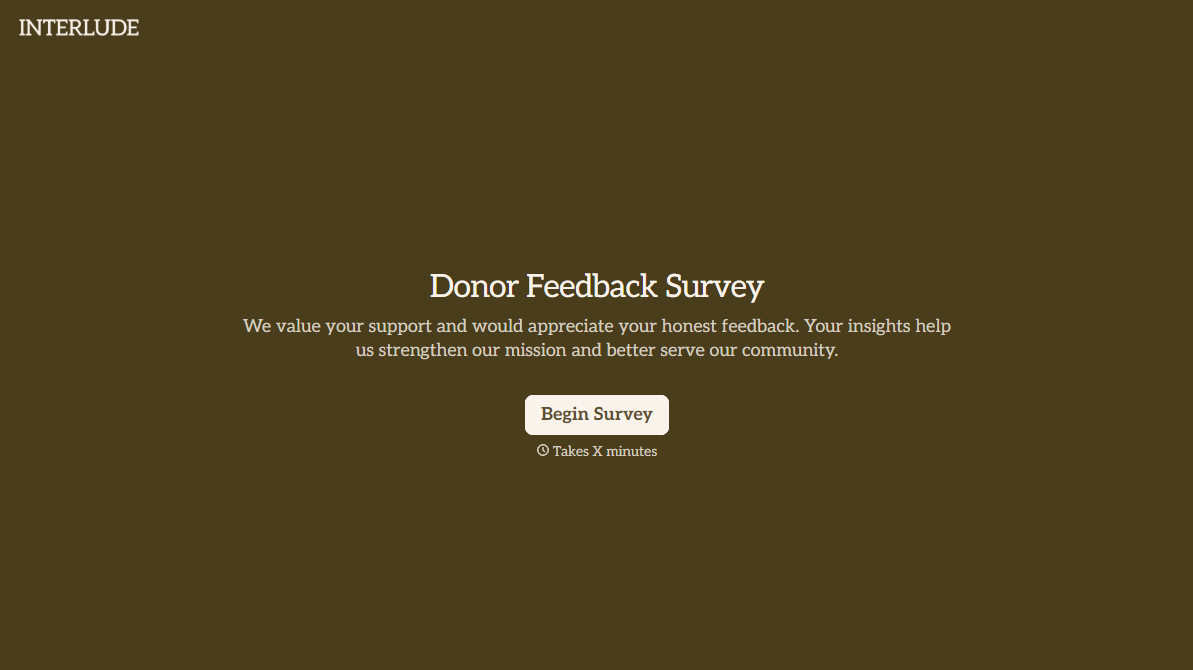
With Typeform, you can customize everything
Change text, colors, and even logos to match the look and feel of your brand. Then embed forms smoothly onto web and email.
Make forms feel effortless to fill out. Pace questions, call people by their name, and adapt the flow based on the data they share.
Stay efficient by connecting forms to your workflow. Typeform integrates with 300+ tools including Slack, Zapier, and HubSpot.