Environmental Survey
Environmental programs built on assumed attitudes often miss what the audience actually cares about. Collect data on environmental awareness, attitudes, and behaviors from the people you serve.



Environmental nonprofits, agencies, and businesses with ESG commitments that rely on national climate data get broad trends, not what their own audience actually believes. Environmental programs built without measuring actual audience attitudes regularly miss the beliefs and barriers that determine whether those programs succeed. Typeform's environmental survey gives organizations a structured way to measure environmental attitudes, behaviors, and awareness directly from their target audience.
The survey captures environmental awareness, sustainability habits, attitudes toward climate change, barriers to action, and willingness to support environmental initiatives. Questions appear one at a time, so respondents consider each environmental dimension individually rather than scanning a long list. Conditional logic adapts the survey based on how respondents rate their current environmental awareness or engagement. High-awareness respondents name barriers that limit their action, while those with lower awareness answer about information gaps and trusted sources.
Customize the issue categories, behavior list, barrier options, and initiative types to match your organization's environmental focus areas. Share it via email, social channels, or a community link to reach the specific population you're researching or serving. Responses feed into Google Sheets via Zapier so your team compares awareness, behaviors, and attitudes across demographics and segments. Organizations that measure actual environmental attitudes build programs that reach the right people with the right message.
An environmental survey collects structured data from a defined audience on their environmental attitudes, behaviors, and awareness. It captures awareness of key environmental issues, current sustainability habits, attitudes toward climate change, barriers to action, and preferred information channels. Organizations and researchers that run environmental surveys build programs from what their actual audience believes, not from published averages.
Environmental programs that don't account for actual audience knowledge and barriers regularly invest resources in the wrong interventions. Educating already-aware audiences, or running behavior change programs that ignore cost and access barriers, produces little measurable impact. An environmental survey identifies those knowledge gaps and barriers before an organization commits resources to the wrong program direction.
Cover what shapes environmental engagement:
- Whether respondents are aware of the key environmental issues relevant to your program or region
- Current sustainability behaviors and how frequently they're practiced
- Attitudes toward climate change and environmental responsibility
- What barriers prevent respondents from taking more sustainable action
- Willingness to support, participate in, or change behavior for specific environmental initiatives
Opinion scales work well for attitude questions, capturing shades of agreement rather than a simple yes or no. They capture the degree of concern respondents feel about specific environmental issues, which matters as much as their position. A ranking question shows which environmental issues respondents prioritize most, helping program designers know where to focus first.
Segment responses by demographic group and engagement level to find where awareness and behavior gaps are most pronounced. A low-awareness audience needs different interventions than an informed one that faces cost and access barriers to action. Knowing which gap applies to which segment helps program designers invest in the interventions most likely to produce change.
Get inspired by relevant templates and categories
3200+ Templates, 300+ Integrations
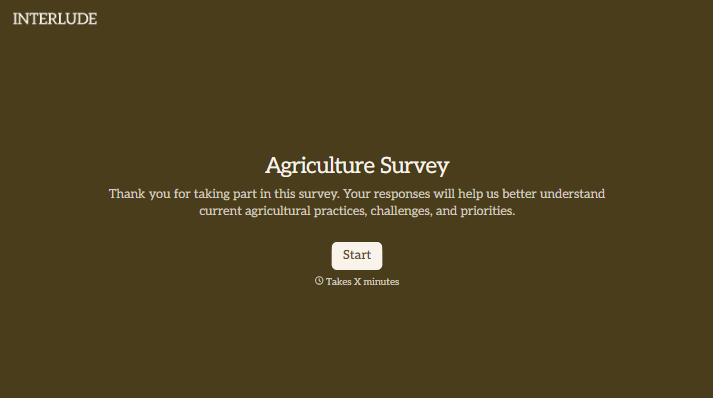
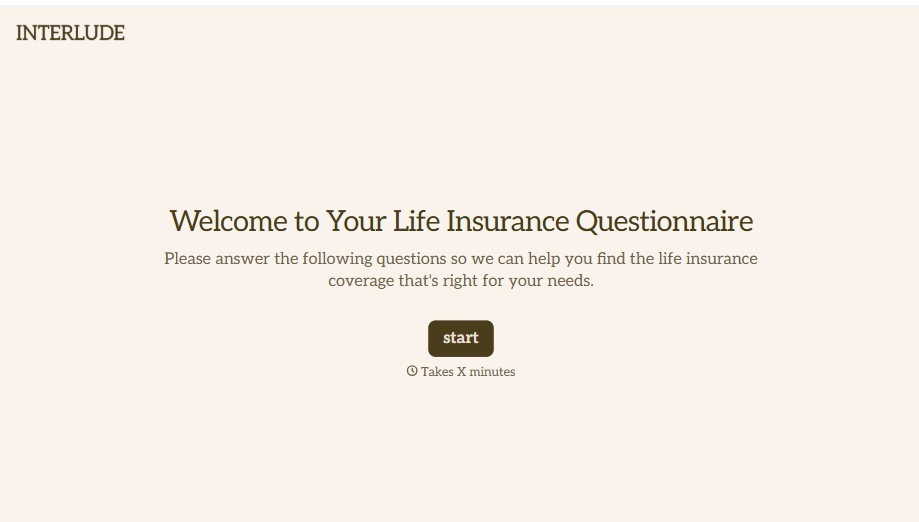
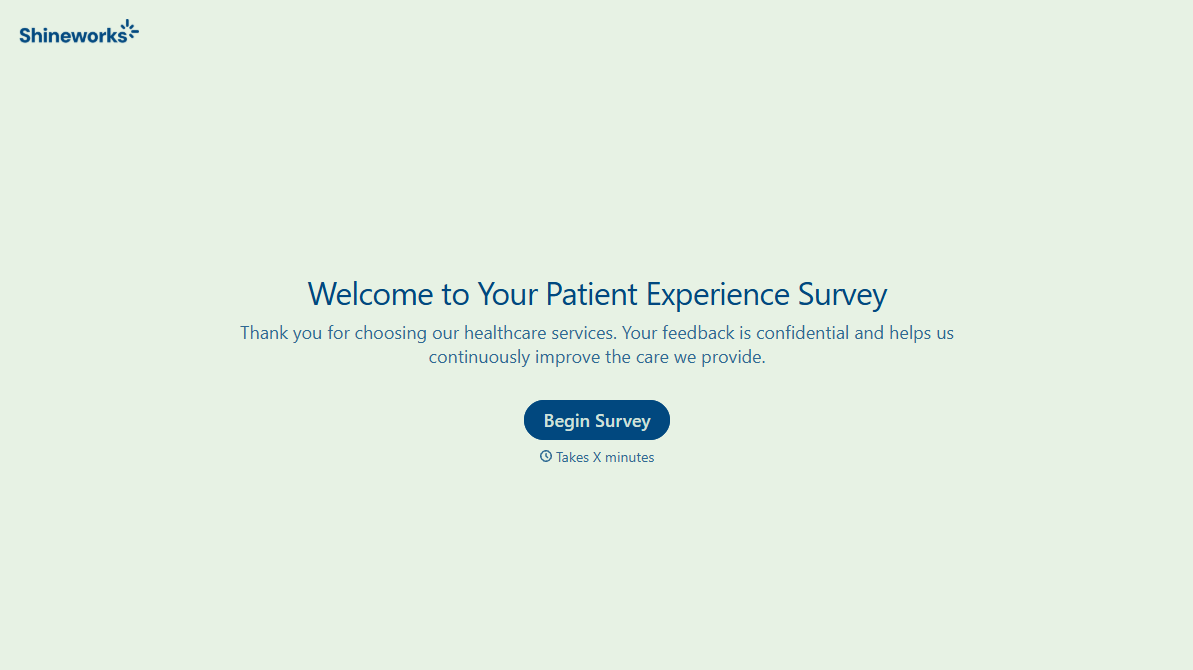
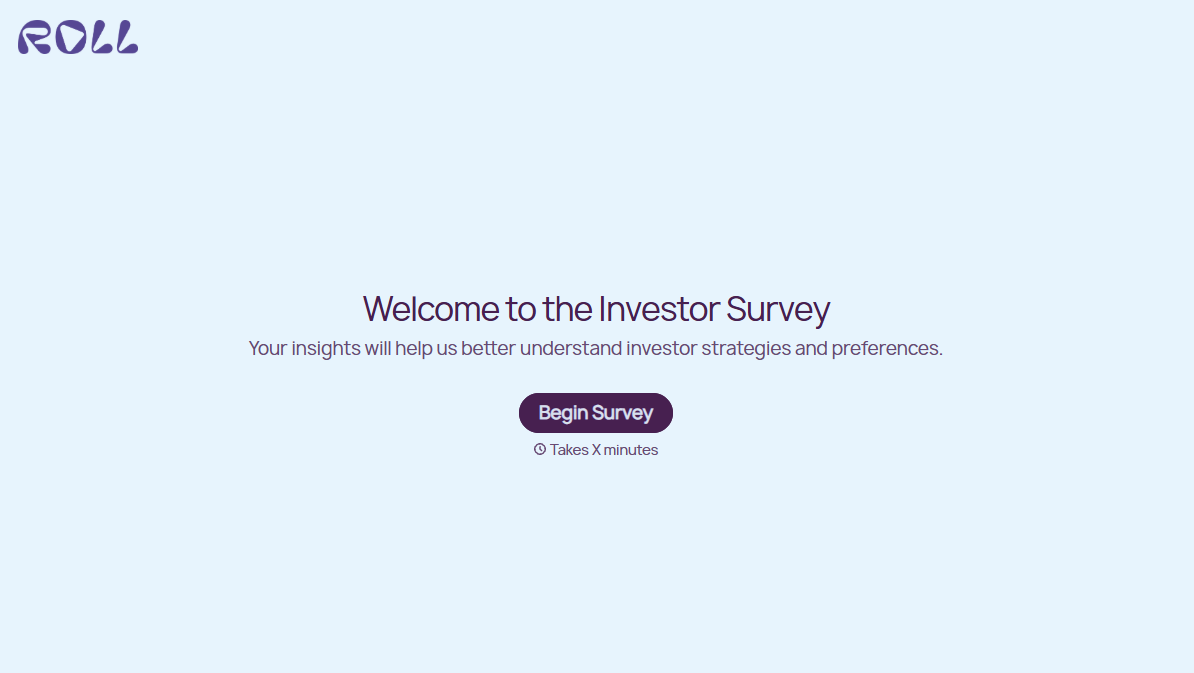
With Typeform, you can customize everything
Change text, colors, and even logos to match the look and feel of your brand. Then embed forms smoothly onto web and email.
Make forms feel effortless to fill out. Pace questions, call people by their name, and adapt the flow based on the data they share.
Stay efficient by connecting forms to your workflow. Typeform integrates with 300+ tools including Slack, Zapier, and HubSpot.