Material Return Form
Move past a return that gets handled with a phone call and a guess about what's still resalable. Confirm what was actually returned, its condition, and whether it even qualifies for return before a credit gets issued.



Once material gets used on a job, the return window usually closes by law, not just by policy. Under UCC 2-606, a buyer accepts goods by doing anything inconsistent with the seller's ownership, and cutting or installing material on a project generally counts, no matter how generous a supplier's own policy sounds. Even unused stock has no consistent industry standard either: a survey of 118 lumber and building material dealers found special orders and custom-cut items are routinely non-returnable or carry a 15 to 30 percent restocking fee, with opened, cut, or weathered stock getting no credit at all.
Typeform's material return form captures what's being returned, its condition, whether it's a stock or special-order item, and any hazardous material handling notes, before anyone loads a truck. Conditional logic flags special-order or hazardous items, paint, solvents, treated coatings, for a different approval path than routine stock returns, since DOT rules require an empty hazmat container to be purged and de-labeled before it can ship like ordinary freight.
Every submitted form becomes a timestamped record of what was returned, in what condition, and who approved it. That's the file you want if a restocking fee gets disputed, a special-order return gets questioned, or you need to show what was actually sent back.
A material return form documents materials being sent back to a supplier or internal stores, including what's being returned, the quantity and condition, the original order or purchase details, and whether it qualifies for a credit, exchange, or refund.
The unused portion, generally yes, depending on your supplier's policy. But under UCC 2-606, using or installing material is typically treated as an act inconsistent with the seller's ownership, which counts as accepting the goods. That doesn't affect material that was never touched, but it does mean the portion you've already put into a project isn't legally something you can expect to reject and return, regardless of what a verbal conversation with your supplier implied.
Often not, or only with a significant fee. A survey of 118 lumber and building material dealers found no industry standard, but special orders and altered or custom-cut stock are commonly non-returnable outright, or accepted only with a 15 to 30 percent restocking fee if the original supplier will take it back at all. Confirm this in writing before you place a special order, not after you're trying to return one.
Not automatically. Under DOT's hazardous materials regulations, an "empty" container of a hazardous material generally still has to be cleaned of residue or purged of vapor, or refilled with a non-hazardous substance, and have its hazard labeling removed or covered before it can ship without hazmat requirements. Anyone preparing that shipment needs hazmat training regardless. Treat a returned hazardous-material container as a regulated shipment until you've confirmed otherwise.
Capture enough to process the return and document the decision:
- Original order or purchase reference number
- Description, quantity, and condition of the material being returned
- Whether the item is stock or special-order
- Any hazardous material handling notes
- Reason for the return
- Signature and date confirming who authorized the return
Yes. Typeform's signature question lets whoever authorizes the return sign by typing, drawing, or uploading their signature, time-stamps it the moment they submit, and locks the response so it can't be changed afterward, generating a PDF you can keep on file. It's available on Typeform's Growth Flow, Growth Custom, and Enterprise plans.
Get inspired by relevant templates and categories
3200+ Templates, 300+ Integrations
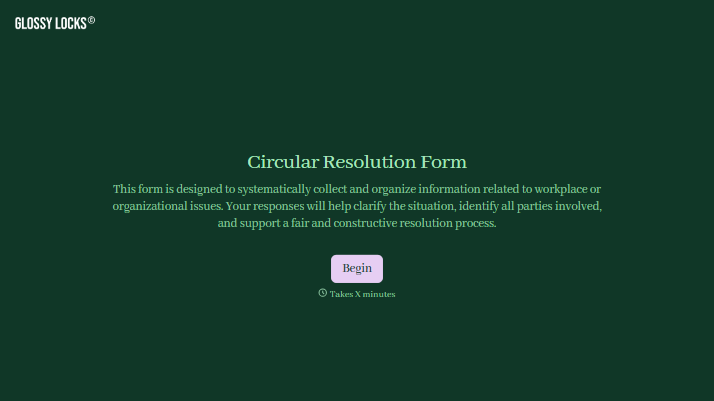
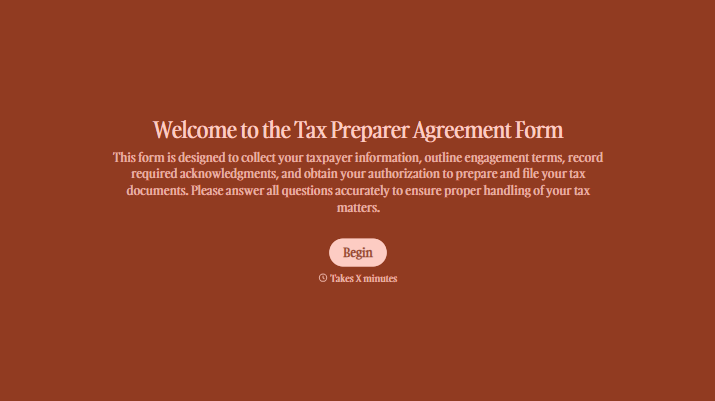
With Typeform, you can customize everything
Change text, colors, and even logos to match the look and feel of your brand. Then embed forms smoothly onto web and email.
Make forms feel effortless to fill out. Pace questions, call people by their name, and adapt the flow based on the data they share.
Stay efficient by connecting forms to your workflow. Typeform integrates with 300+ tools including Slack, Zapier, and HubSpot.