Meeting Room Application Form
A room request scrawled on a sign-up sheet at the front desk tells you someone wants the space Tuesday at 2, not whether they actually need the AV setup, a capacity for 30 people, or approval to use the room at all. Ask for what the request needs before you approve it, not after someone's already shown up.



Meeting room requests tend to arrive based on what’s easiest for the person asking: a name scrawled on a shared calendar, an email to the front desk, a sticky note left with whoever happens to be at the desk that day. It works until two groups show up expecting the same room, or someone arrives for a video call in a space with no screen and no way to connect one.
Typeform's meeting room application form asks for what the space needs to know before approving a request: who's asking, when, how many people, and what the room needs to have in it, and uses conditional logic to branch from there. A request that needs AV equipment can branch to setup questions; a request from an outside organization can branch to questions about fees or insurance that an internal team booking a room for a Tuesday check-in doesn't need to answer.
Every request lands in one place instead of a calendar entry, an email, and a sticky note that all say something slightly different. Connect the form to your booking software or calendar through Zapier, and an approved request can get added automatically, while a request that conflicts with an existing booking gets flagged before anyone finds out at the door. Ask for it before the date in question, and whoever approves requests is working from a full picture instead of a name and a time.
A meeting room application form is an online form organizations use to collect and review requests to use a shared meeting space. Instead of a first-come sign-up sheet or an email that gets lost in an inbox, each request comes in with the same information, ready for someone to approve or decline.
A sign-up sheet tells you a room is claimed, not whether the group requesting it actually needs the room they picked, or has permission to use it at all. An application form collects enough detail upfront that whoever approves requests can catch a mismatch or a conflict before it becomes a problem on the day of.
Ask for what whoever approves requests will need to make a decision:
- Requester name and contact information
- Department or organization
- Requested date, time, and duration
- Expected number of attendees
- Room and equipment needs, like AV setup or a specific capacity
No. The form submits a request, it doesn't confirm the booking on its own. Someone still needs to review it against the calendar and approve it, and a request that conflicts with an existing booking or doesn't meet the space's requirements can still be declined.
Yes. Add a file upload question and an outside group can attach a certificate of insurance or a signed agreement in the same submission, no separate email required. Pair it with conditional logic so the upload only appears when the requester isn't part of the organization that owns the space.
Get inspired by relevant templates and categories
3200+ Templates, 300+ Integrations
With Typeform, you can customize everything
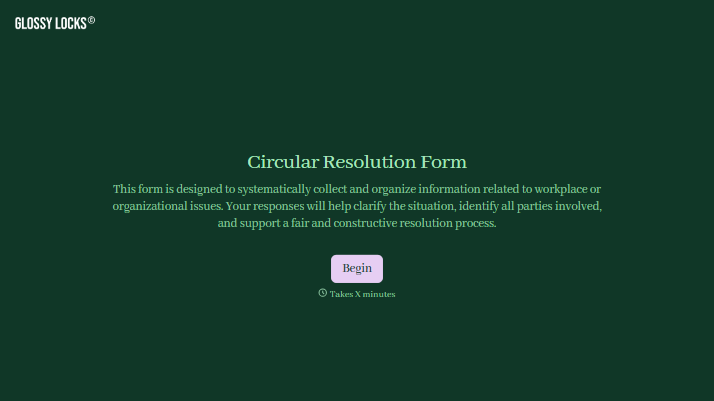
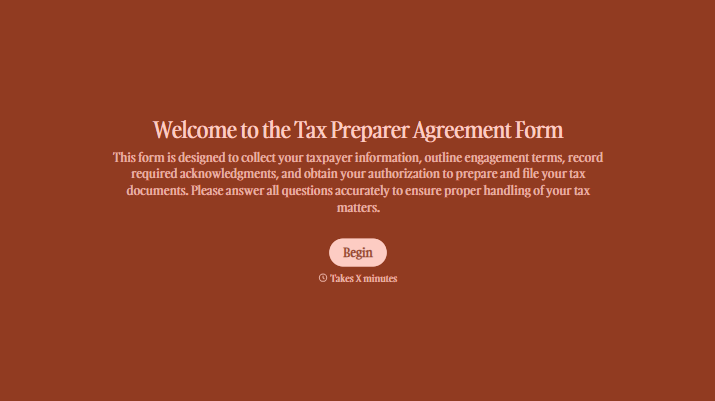
Change text, colors, and even logos to match the look and feel of your brand. Then embed forms smoothly onto web and email.
Make forms feel effortless to fill out. Pace questions, call people by their name, and adapt the flow based on the data they share.
Stay efficient by connecting forms to your workflow. Typeform integrates with 300+ tools including Slack, Zapier, and HubSpot.