New user request form template
Set up new users with the access their role actually needs, not a copy of whoever sits next to them. Collect the role, systems, permission level, and start date in one request.



"Same access as Tom" is the fastest way to set up a new user and the easiest way to over-provision one. Copying an existing account gives a new hire everything Tom has collected over the years, including permissions granted for a project that ended long ago. Typeform's new user request form asks which systems and what level of access a role needs, so IT provisions from the job rather than from someone else's account.
Requesters give the new user's details, their role and department, their start date, and the systems they'll work in. A request for a contractor asks for an end date and a sponsoring manager, while an employee request asks for their department and reporting line. Every request captures who authorized the access before it reaches IT.
IT opens one request and knows which accounts to create, at what access level, and by when. Accounts are ready before the new user's first morning, and nobody inherits permissions they were never meant to have.
A new user request form is an online form teams use to request accounts and system access for a new employee, contractor, or client. It collects the person's details, role, start date, the systems they need, the level of access, and who approved it. IT teams use this new user request form to provision the right access on time instead of copying an existing user's permissions.
Without a new user request form, new user requests arrive naming the person and little else, so IT either guesses at the access or clones an existing account. Working on assumptions risks leaving the new hire locked out of something on day one. Cloning gives them permissions nobody reviewed, which surfaces later in an access audit. A new user request form asks for the details, such as which systems and what level of access the role needs, so IT provisions deliberately.
Capture what IT needs to provision:
- New user's name and role
- Department and reporting line
- Start date
- Systems and access level needed
- Who authorized the request
Submit the new user request as soon as the start date is confirmed, not the week someone begins. Accounts across several systems take time to create and approve, and a request that lands the day before means a new hire spends their first morning locked out of the tools they were hired to use. Building it into your offer or onboarding checklist means nobody has to remember off the top of their heads.
Yes. Make the approver a required field, so every access grant has a name attached to it. Send each submission to that approver and your IT team together, so when someone later asks why a user has access to a system, the answer sits on the original request.
Get inspired by relevant templates and categories
3200+ Templates, 300+ Integrations
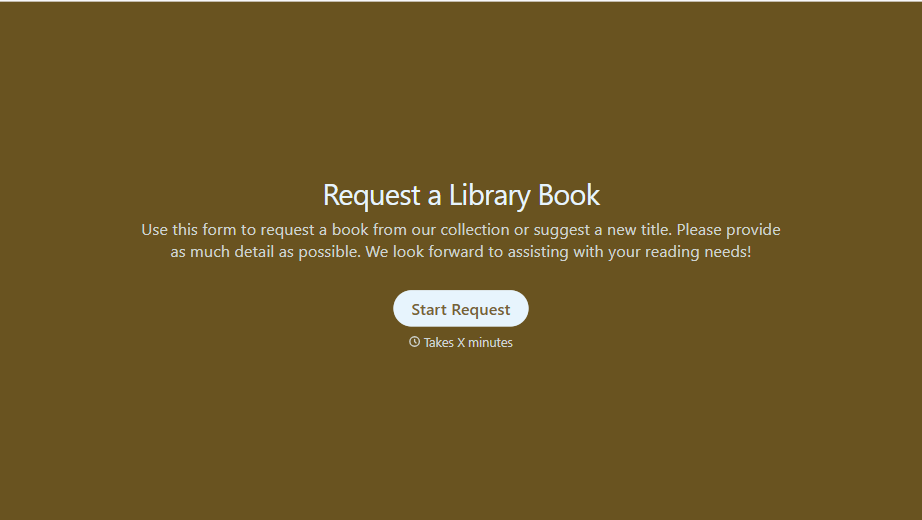
Library Book Request Form
A book request scrawled on a sticky note at the front desk doesn't make it into any queue, and it definitely doesn't get anyone a call when the book actually arrives. Collect what your library actually needs, the title, patron information, and how they'd like to be notified, before the note gets buried under the next stack of returns.
View template
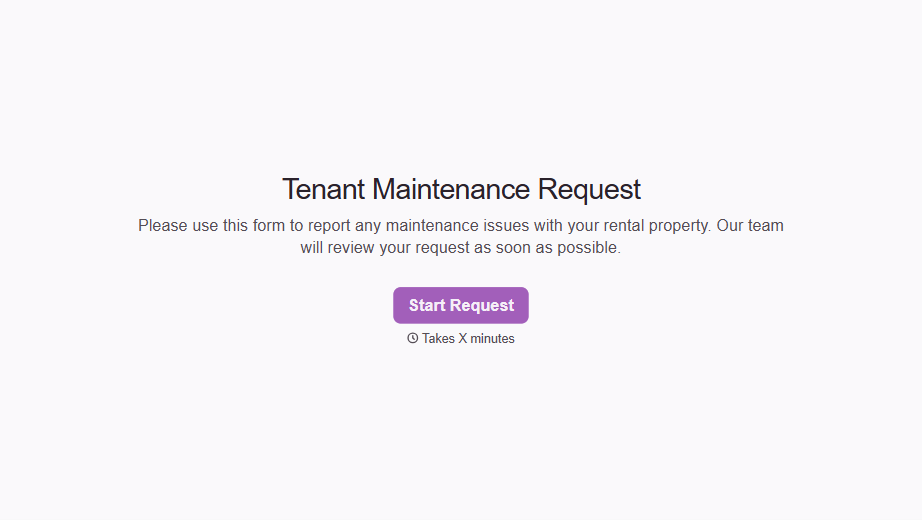
Tenant Repair Request Form
A text message about a leaky faucet sent at 11pm isn't a work order your maintenance team can act on efficiently, especially without a photo or a unit number attached. Collect the property, the issue, and how urgent it is before the request lands in someone's texts, so a repair doesn't wait on a landlord scrolling back through old messages.
View template
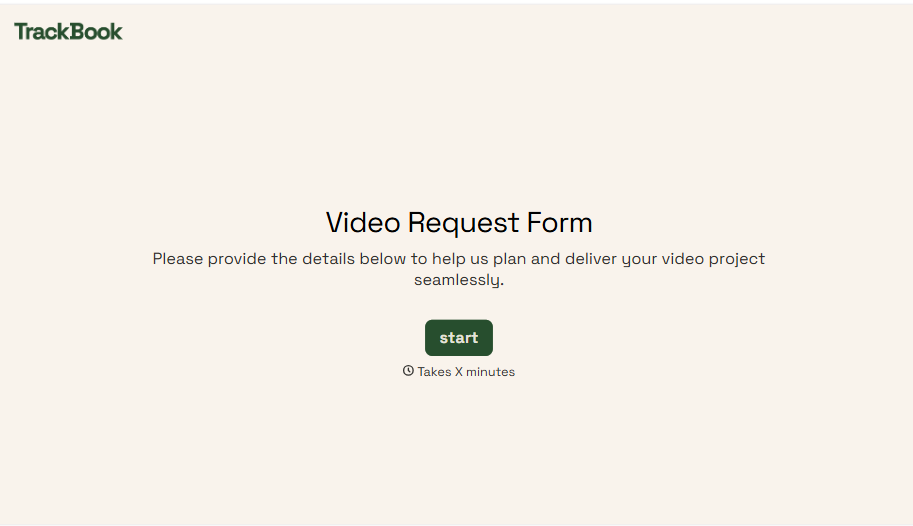
Video Request Form
A Slack message asking for "a quick video for the launch" isn't a creative brief your video team can actually start from. Collect the project purpose, deadline, and deliverable specs before the request lands in a queue, so your team isn't reworking a video built on assumptions the requester never actually stated.
View template
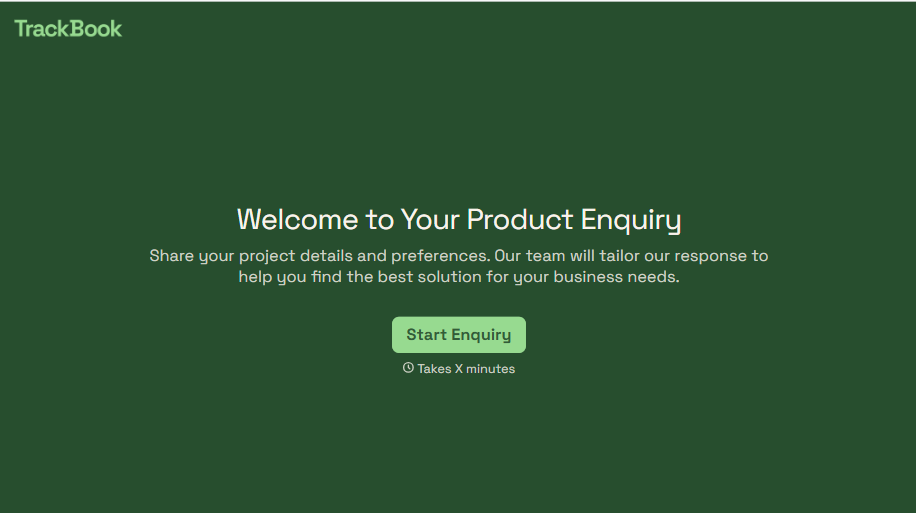
Product Enquiry Form
A generic "I'm interested in your product, can you tell me more?" email doesn't tell your sales team which product, what quantity, or what the customer's actually trying to do with it. Collect what your team actually needs, product interest, quantity, and use case, before you reply.
View template
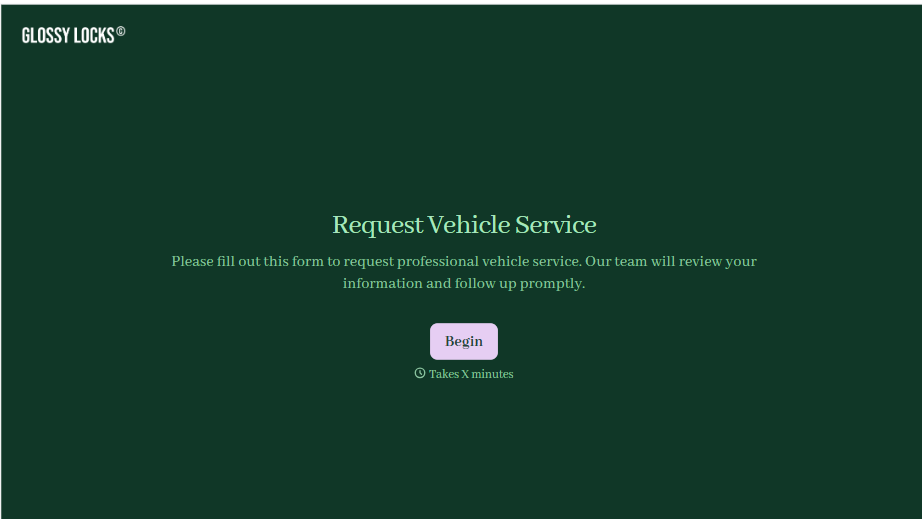
With Typeform, you can customize everything
Change text, colors, and even logos to match the look and feel of your brand. Then embed forms smoothly onto web and email.
Make forms feel effortless to fill out. Pace questions, call people by their name, and adapt the flow based on the data they share.
Stay efficient by connecting forms to your workflow. Typeform integrates with 300+ tools including Slack, Zapier, and HubSpot.