Personal Training Informed Consent Form
A consent form signed in the ten seconds before a first session isn't the kind of informed agreement that holds up if something goes wrong. Walk clients through the specific risks of training and get a signed, dated acknowledgment before the first rep, so consent actually means what the word implies.



Informed consent often gets bundled in with a stack of other new-client paperwork, health history, waiver, gym policies, signed all at once in the few minutes before a first session starts. A client signs quickly, without really reading or absorbing what they're agreeing to, and the specific risks of exercise, the ones a trainer is supposed to disclose clearly, never actually get communicated. If a question ever comes up about whether real informed consent existed, a form signed in a rush doesn't do much to answer it.
Typeform's personal training informed consent form asks for what actually makes consent informed: a clear description of the risks involved in the specific type of training being consented to, confirmation that the client has truthfully disclosed relevant health information, and a voluntary statement of agreement to participate, along with an acknowledgment that they can stop at any time. Conditional logic branches from there. A client under 18 can route to a guardian signature instead of signing on their own, and a client starting a specialized program, high-intensity training, post-rehab work, older adult programming, can route to risk disclosures specific to that kind of training instead of generic language that doesn't reflect what they're actually doing. Every consent lands in one signed, dated record instead of a form skimmed and signed along with everything else.
Connect the form to your CRM or scheduling software through Zapier, and a client without a signed consent on file can be flagged automatically before their first session is confirmed. Ask for it separately from the rest of your intake paperwork, and a client actually has the chance to read and understand what they're agreeing to instead of signing it as one more line in a stack.
A personal training informed consent form is a document a client signs to acknowledge they understand the specific risks of exercise and personal training, and that they're voluntarily choosing to participate with that understanding. It's distinct from a general intake form, since its purpose is specifically to document informed agreement to the risks involved, not to collect health history or goals.
A signature on its own doesn't prove someone understood what they agreed to, and informed consent is only meaningful if the person actually had the chance to read and process the specific risks involved. A form rushed through with a stack of other paperwork gives you a signature, but it doesn't necessarily give you the kind of informed agreement the concept is supposed to represent.
Ask for what actually makes consent informed:
- Client name and contact information
- A clear description of the risks specific to the type of training involved
- Confirmation that health information disclosed is complete and accurate
- A voluntary statement of agreement to participate
- Acknowledgment that the client can stop the activity at any time
- Signature and date, or a guardian signature if the client is a minor
Not necessarily. An informed consent form can document that a client understood and agreed to specific risks, but it typically doesn't protect against negligence, and how much protection it actually provides depends on how it's written and where you operate. It's worth having your specific consent and waiver language reviewed by an attorney rather than relying on a generic template as-is.
Yes. Add a file upload question and trainers or clients can attach a physician's clearance or other supporting documentation in the same submission, no separate email required. Pair it with conditional logic so the upload only appears when it's actually needed.
Get inspired by relevant templates and categories
3200+ Templates, 300+ Integrations
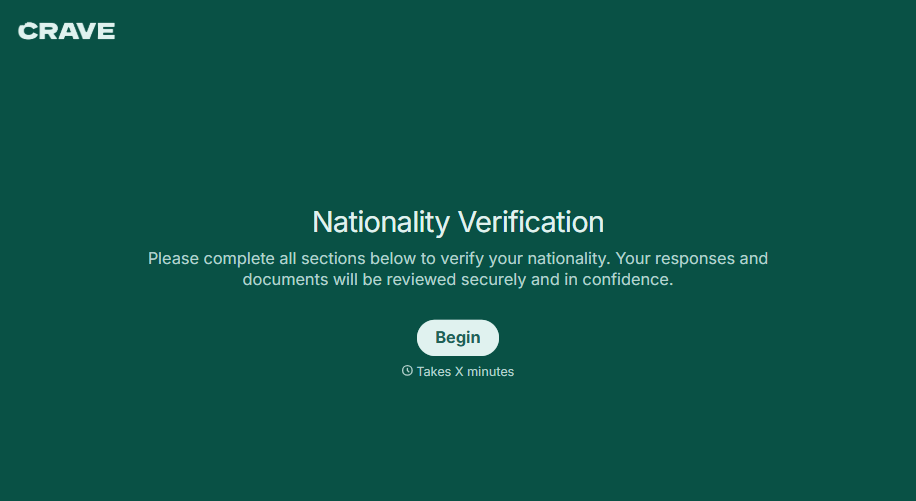
Nationality Verification Form
A self-certification buried in a stack of new account paperwork isn't the kind of record a compliance team can rely on for a regulatory filing. Collect nationality, tax residency, and a signed declaration before an account opens, so compliance isn't chasing down a customer's citizenship status after the fact.
View template
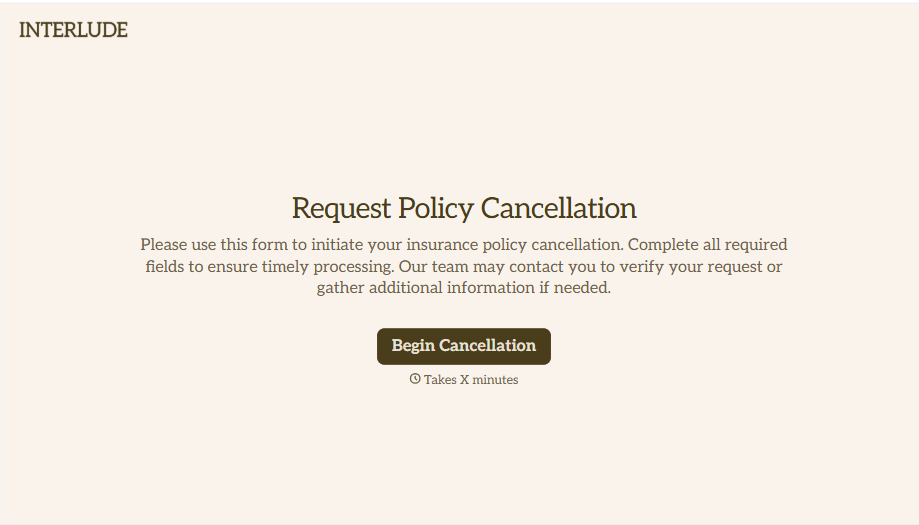
Policy Cancellation Form
A cancellation requested over the phone doesn't leave a clear record of exactly what date the policyholder actually asked for, and that date matters more than it sounds like it should. Collect what your agency actually needs, policy details, identity verification, and the requested effective date, before coverage actually ends.
View template
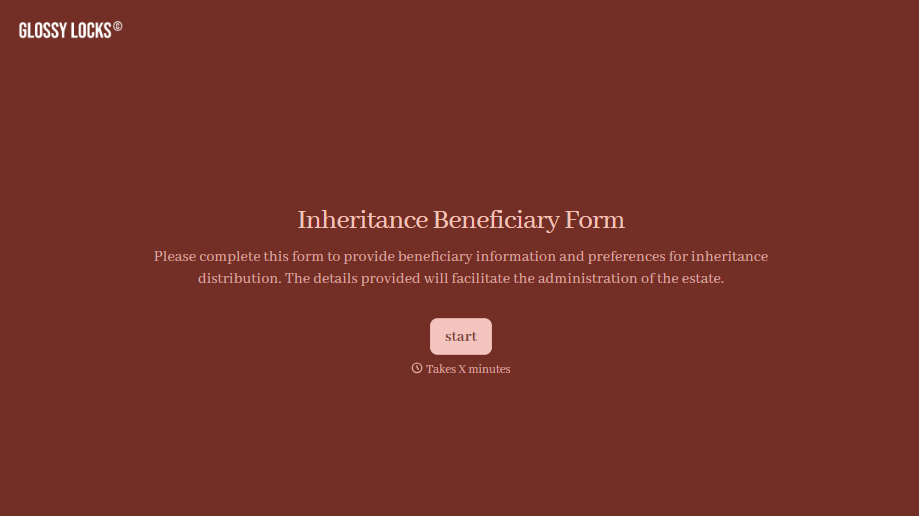
Inheritance Beneficiary Form
Asking a grieving family member for the same banking details across three different phone calls doesn't make settling an estate go any faster. Collect what your firm actually needs, beneficiary information, identification, and distribution details, in one submission instead of three calls.
View template
With Typeform, you can customize everything
Change text, colors, and even logos to match the look and feel of your brand. Then embed forms smoothly onto web and email.
Make forms feel effortless to fill out. Pace questions, call people by their name, and adapt the flow based on the data they share.
Stay efficient by connecting forms to your workflow. Typeform integrates with 300+ tools including Slack, Zapier, and HubSpot.