Personality Assessment Form Template
Help people discover something about themselves, and learn something about your audience in return.



Everyone wants to know "what type" they are. That's why personality assessments are some of the most shared, most completed forms on the internet. But building one that feels legitimate (not like a random BuzzFeed knockoff) takes thoughtful question design and smart scoring logic. Most form tools aren't built for that kind of nuance.
This personality assessment form template gives you a structured starting point for mapping respondents to distinct personality profiles. Typeform's question branching means the experience adapts as someone answers, showing relevant follow-ups instead of irrelevant filler. The one-question-at-a-time design keeps it feeling like a reflective exercise, not a data dump.
Plug in your own personality categories, adjust the scoring weights, and connect results to your CRM or email tool through Typeform's integrations. Whether you're a coach, HR team, or content marketer, you'll have a polished assessment ready to share fast.
A personality assessment form is a structured set of questions designed to evaluate traits, preferences, or behavioral tendencies and map the respondent to one or more personality profiles. Unlike casual quizzes, assessments typically follow an established framework (think DISC, Myers-Briggs archetypes, or custom models built for specific contexts like team dynamics or consumer preferences).
For individuals, it's a mirror: a structured way to understand strengths, blind spots, and communication styles. For organizations, it's insight you can act on. HR teams use assessments to improve team composition. Marketers use them to segment audiences by psychographic profile. Coaches use them to personalize development plans. The data you collect is rich and immediately useful.
- Scenario-based questions ("You're at a party. Do you...")
- Likert scale statements measuring agreement with traits
- Forced-choice pairs that reveal priorities
- A question about how the respondent handles conflict or stress
- Self-rating questions on communication preferences
- An open-ended reflection on what they hope to learn
There's a sweet spot between too few (unreliable) and too many (people bail). For most purposes, 15 to 25 questions hit the right balance. Typeform's progress bar helps respondents see how far along they are, which reduces drop-off. If you need a longer assessment, conditional logic can skip sections that aren't relevant, keeping the experience tight even if your question bank is large.
Yes, and you should. The template gives you a starting structure, but the real value comes from defining profiles that match your specific context. You can create custom ending screens for each personality type, include personalized recommendations, and even route respondents to different follow-up sequences based on their results using Typeform's integrations.
Get inspired by relevant templates and categories
3200+ Templates, 300+ Integrations
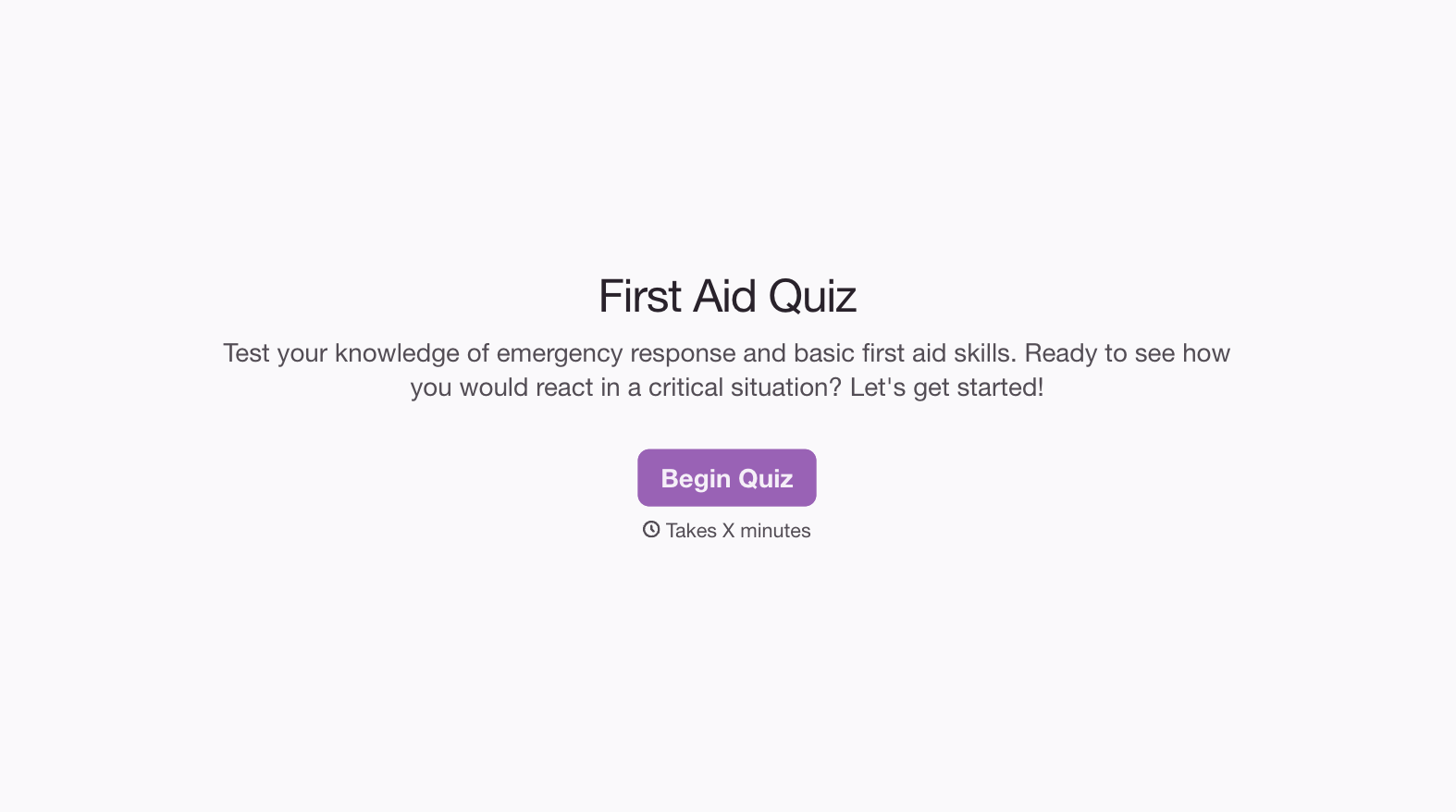
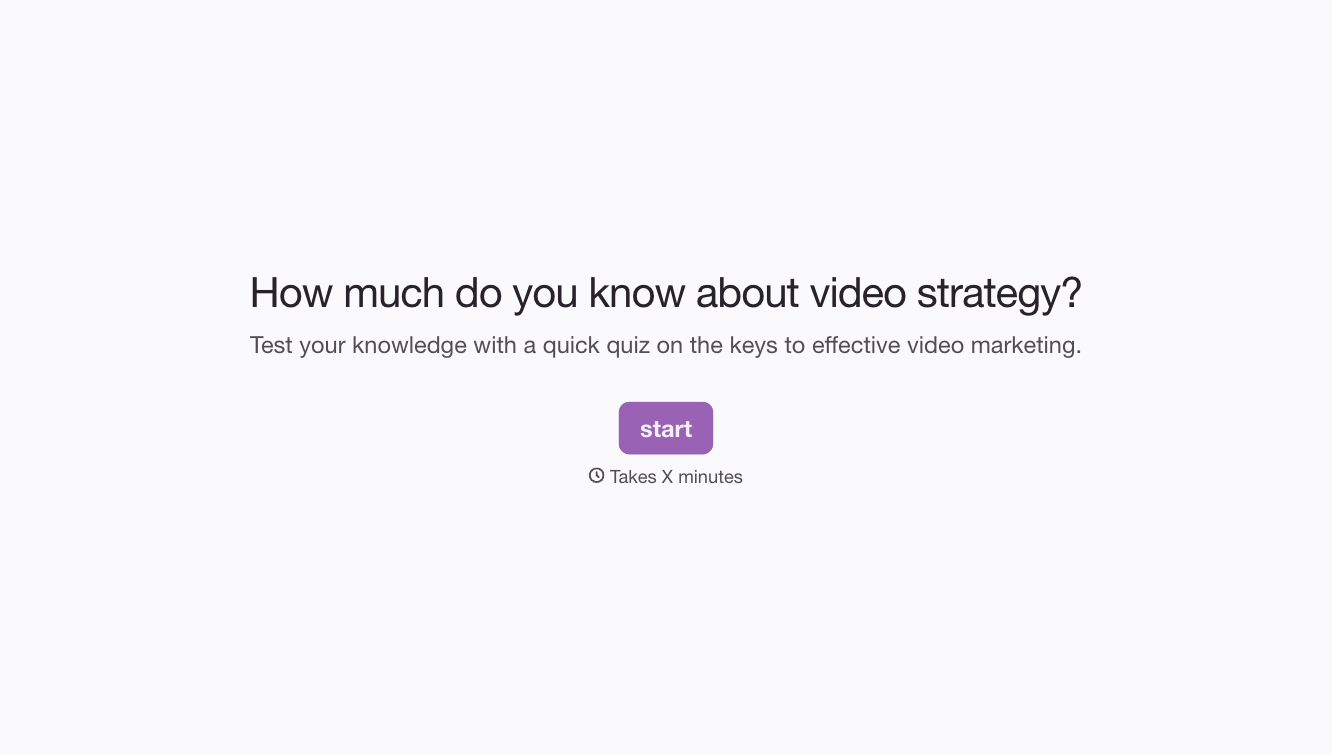
With Typeform, you can customize everything
Change text, colors, and even logos to match the look and feel of your brand. Then embed forms smoothly onto web and email.
Make forms feel effortless to fill out. Pace questions, call people by their name, and adapt the flow based on the data they share.
Stay efficient by connecting forms to your workflow. Typeform integrates with 300+ tools including Slack, Zapier, and HubSpot.