Progress Monitoring Form
Progress notes jotted in a personal notebook during a session don't turn into a report anyone else can actually read later. Collect what your team actually needs, the goal being tracked, the data from that session, and space for context, every time.



Progress on a student's or client's goals tends to get tracked however each provider happens to keep notes, a personal notebook, a sticky note, a quick note typed after the session ends. When it's time to write a progress report or update a plan, whoever's writing it is reconstructing weeks of sessions from memory or scattered pages instead of pulling from an actual record. If more than one provider works with the same person, their notes rarely line up with each other either.
Typeform's progress monitoring form asks for what your team actually needs, the goal or objective being measured, the data collected during that session, level of support needed, and any relevant notes, then uses conditional logic to branch from there. A goal that wasn't met can route to a follow up question asking what got in the way, and different goal types, academic, behavioral, motor, can each surface the specific data fields that goal actually calls for. Every session's data lands in one record instead of a notebook only one person can read.
Connect the form to a spreadsheet or your student information system through Zapier, and each entry can log itself against the right person and goal automatically. Fill it out right after each session, and by the time a progress report is due, the data's already there instead of getting reconstructed from memory the night before.
A progress monitoring form is an online form teachers, therapists, and other providers use to record data on a specific goal at each session, so progress toward that goal is documented consistently over time. Instead of notes living in one person's notebook, each session's data lands in a shared, searchable record.
A personal notebook only makes sense to the person who wrote in it, and doesn't hold up when a report is due weeks later or another provider needs to pick up where the last session left off. A form captures the same data every session, in a format anyone on the team can reference.
Ask for what your team will actually need when it's time to report on progress:
- Student or client name and the goal being measured
- Date and session details
- Data collected, like accuracy, frequency, or duration
- Level of support needed, such as independent or prompted
- Notes on any changes or barriers
Not necessarily. The data shows whether the current approach is working, which is what informs whether a goal, a plan, or a strategy needs to change, but tracking progress doesn't guarantee the outcome on its own. Decisions about adjusting a goal or a plan should still involve the full team working with that person.
Yes. Add a file upload question and providers can attach a work sample, a photo, or a short video clip in the same submission, no separate email required. Pair it with conditional logic so the upload only appears when it's relevant to that session.
Get inspired by relevant templates and categories
3200+ Templates, 300+ Integrations
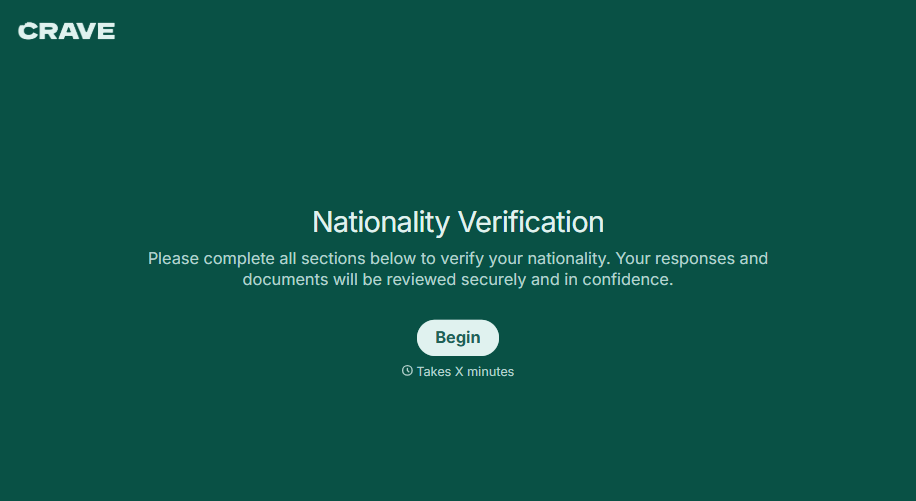
Nationality Verification Form
A self-certification buried in a stack of new account paperwork isn't the kind of record a compliance team can rely on for a regulatory filing. Collect nationality, tax residency, and a signed declaration before an account opens, so compliance isn't chasing down a customer's citizenship status after the fact.
View template
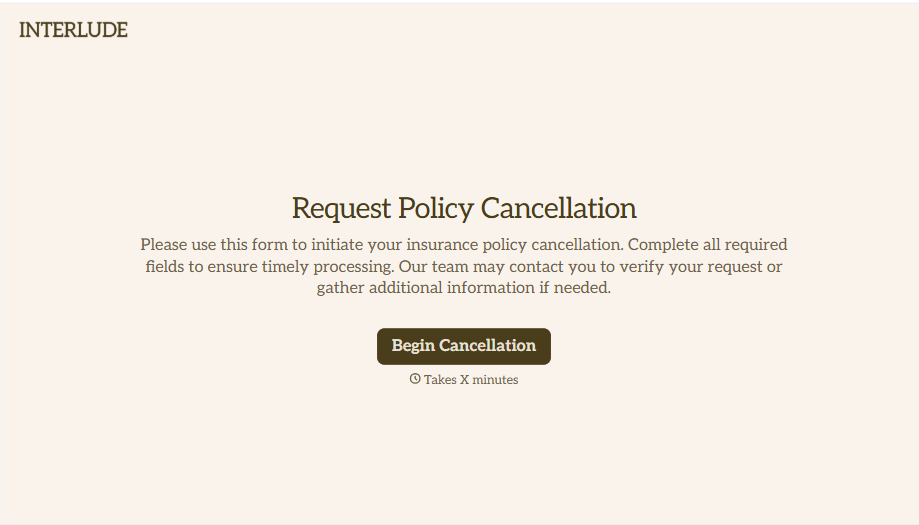
Policy Cancellation Form
A cancellation requested over the phone doesn't leave a clear record of exactly what date the policyholder actually asked for, and that date matters more than it sounds like it should. Collect what your agency actually needs, policy details, identity verification, and the requested effective date, before coverage actually ends.
View template
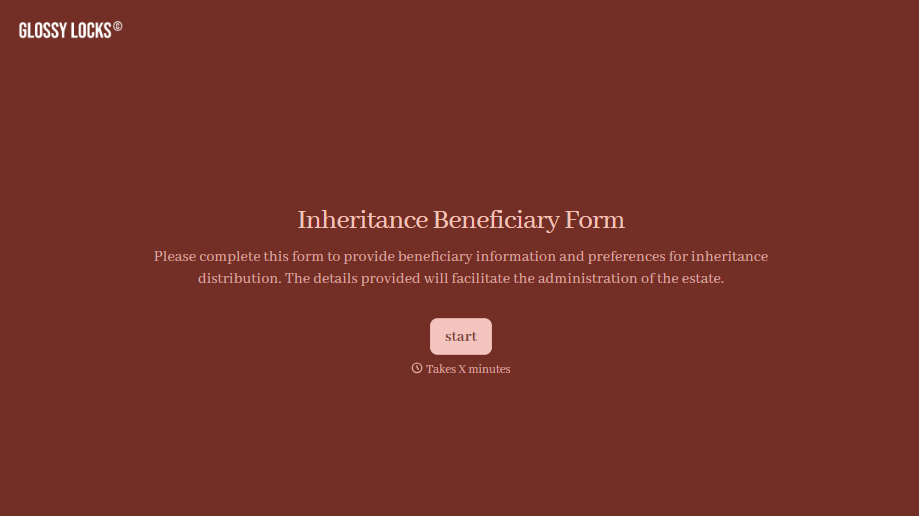
Inheritance Beneficiary Form
Asking a grieving family member for the same banking details across three different phone calls doesn't make settling an estate go any faster. Collect what your firm actually needs, beneficiary information, identification, and distribution details, in one submission instead of three calls.
View template
With Typeform, you can customize everything
Change text, colors, and even logos to match the look and feel of your brand. Then embed forms smoothly onto web and email.
Make forms feel effortless to fill out. Pace questions, call people by their name, and adapt the flow based on the data they share.
Stay efficient by connecting forms to your workflow. Typeform integrates with 300+ tools including Slack, Zapier, and HubSpot.