Student Perception Survey Template
Find out how your students actually experience your classroom, not how you assume they do.



Teachers put enormous effort into lesson planning, classroom culture, and instructional strategies. But there's often a gap between what a teacher intends and what students actually experience. Without asking students directly, that gap stays invisible.
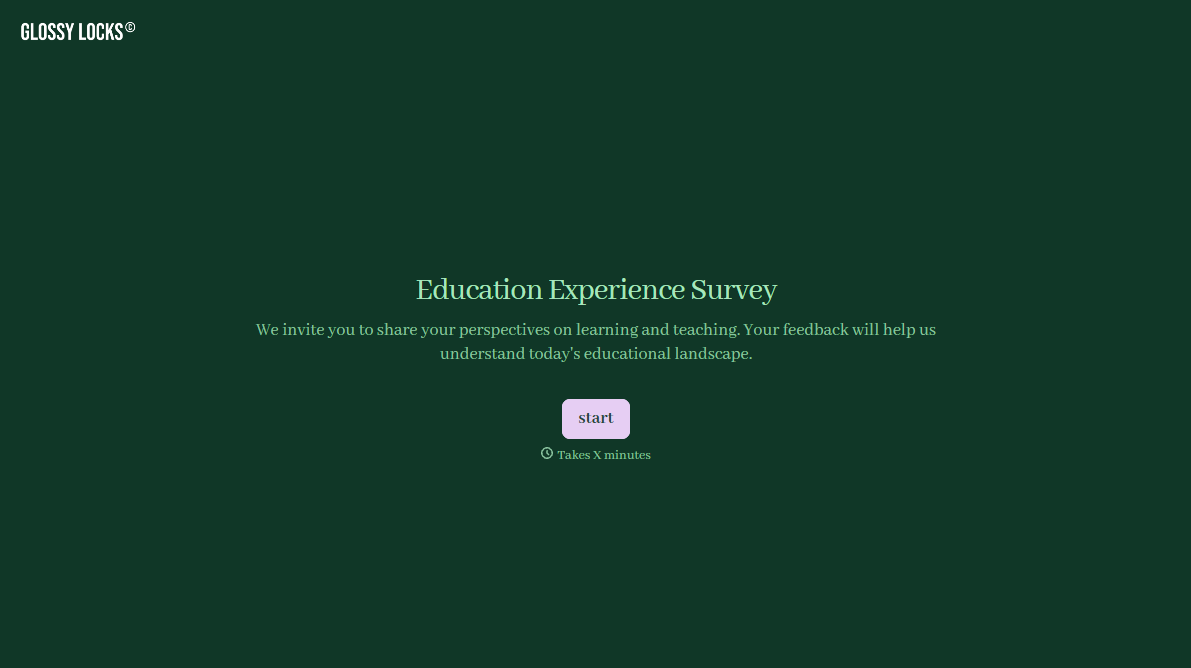
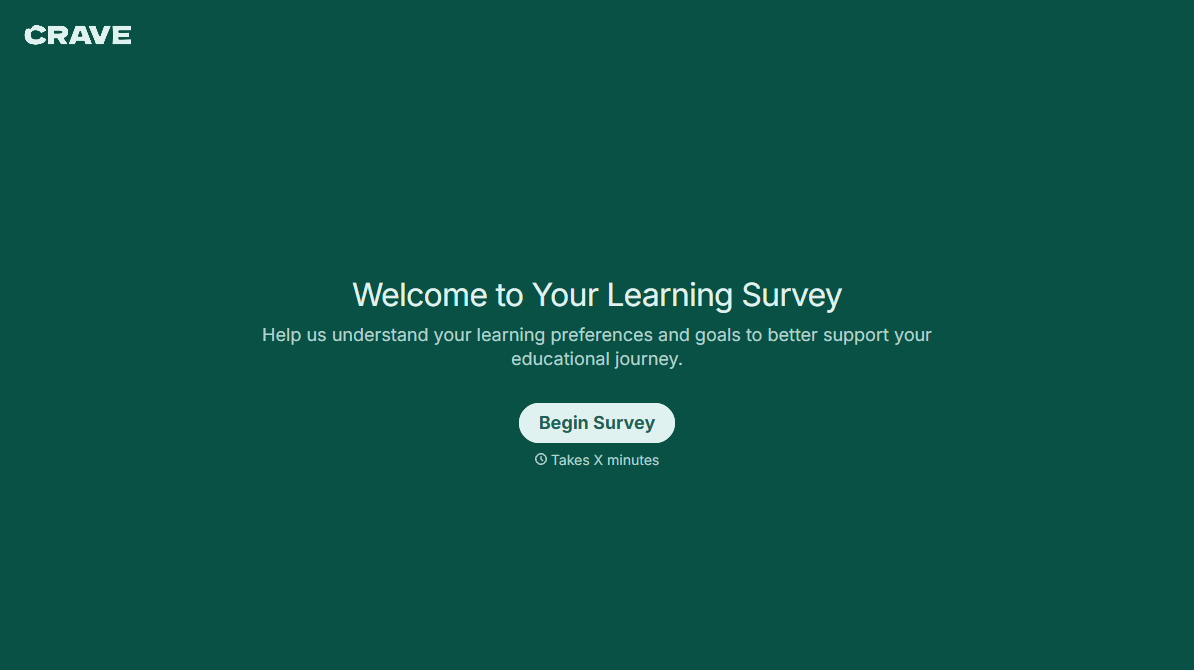
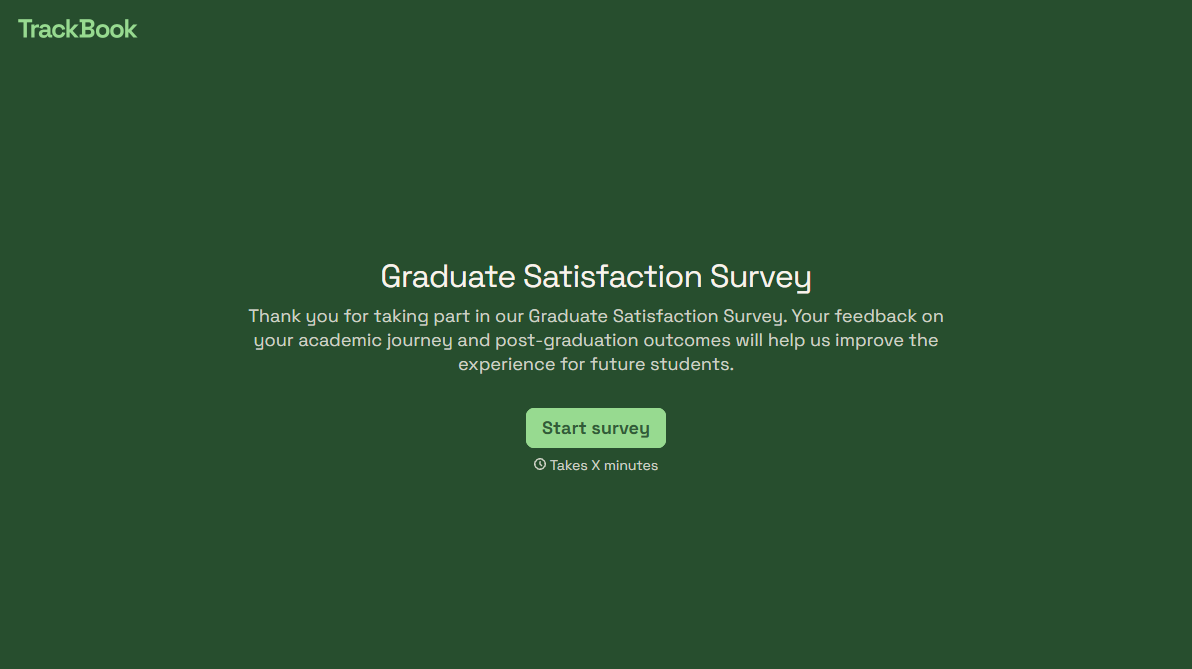
This student perception survey template gives students a safe, structured way to share how they feel about their learning environment. The one-question-at-a-time format feels more like a conversation than a formal evaluation, which encourages honest responses. Conditional logic can adjust follow-up questions based on how students rate different aspects of their experience.
Set it up in minutes — customize the questions for your grade level and context, make responses anonymous to encourage candor, and share the link. You'll get organized data you can actually act on, and students get the message that their perspective matters.
A student perception survey is a feedback tool that asks students to share their views on classroom instruction, environment, and their own learning experience. It covers things like how supported they feel, whether lessons are engaging, and how well they understand expectations. The goal is to give educators actionable insight from the people who matter most: the learners themselves.
Students see things you can't from the front of the room. Their feedback reveals what's landing and what's falling flat, often in ways that classroom observations and test scores don't capture. Research consistently shows that student perception data is one of the strongest predictors of effective teaching, and acting on it signals to students that their voice carries weight.
- "I feel respected in this classroom" (agree/disagree scale)
- "The lessons are interesting and hold my attention"
- "I understand what I'm expected to learn"
- "My teacher explains things in ways I can understand"
- "I feel comfortable asking questions when I'm confused"
- An open-ended field: "What's 1 thing that would make this class better for you?"
In most cases, yes. Anonymity dramatically increases honesty, especially for younger students or those who worry about consequences. If you need to connect feedback to individual students for follow-up, consider a confidential approach, where you can see who responded but students are assured their answers won't affect their grades. Be transparent about your approach either way.
Share a summary of the findings with your class. This builds trust and shows you took their input seriously. Pick 1 or 2 actionable themes to address, explain what you'll change, and follow up with another survey later to see if things improved. Trying to overhaul everything at once usually backfires. Small, visible changes have the most impact on student buy-in.
Get inspired by relevant templates and categories
3200+ Templates, 300+ Integrations
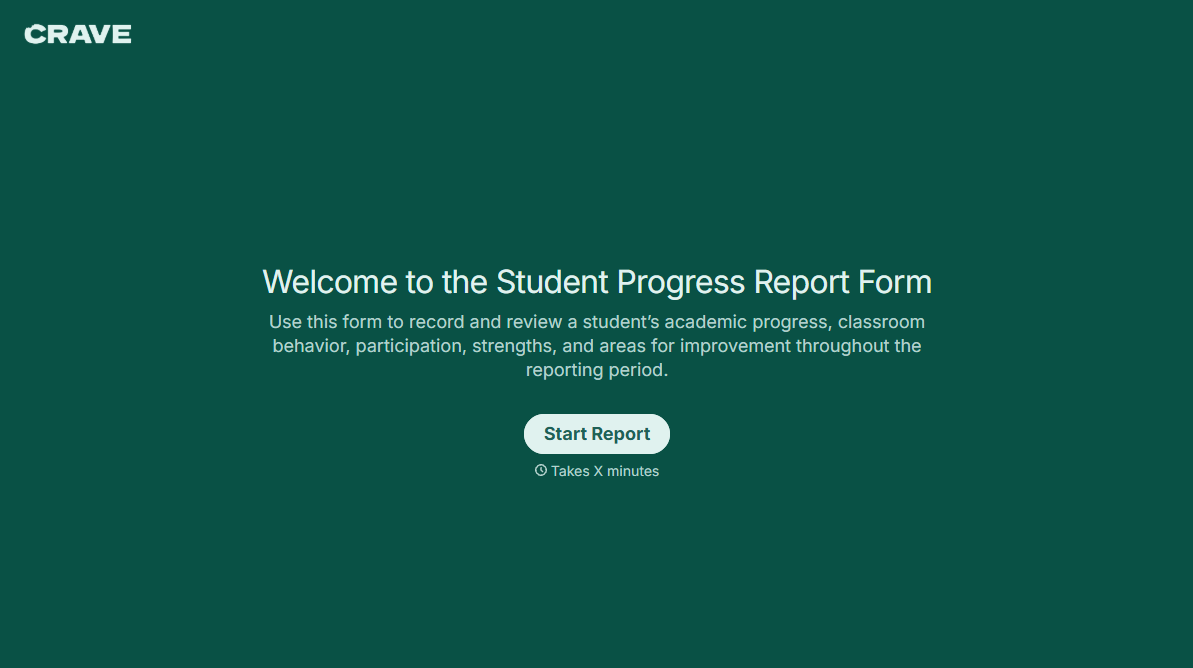
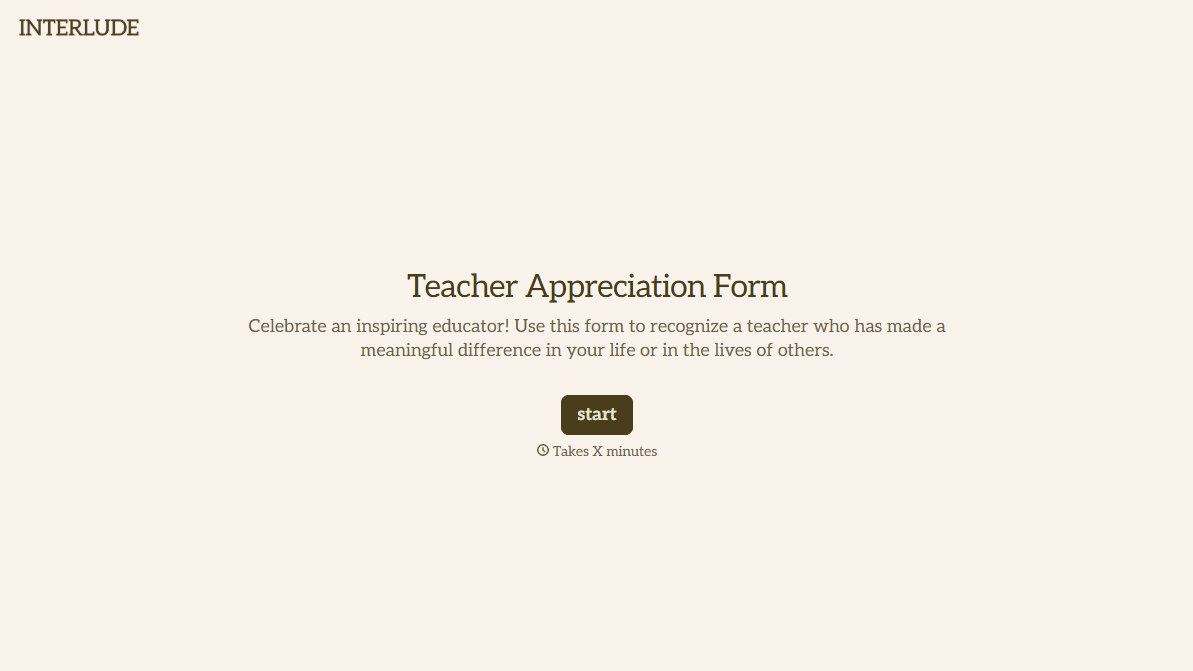
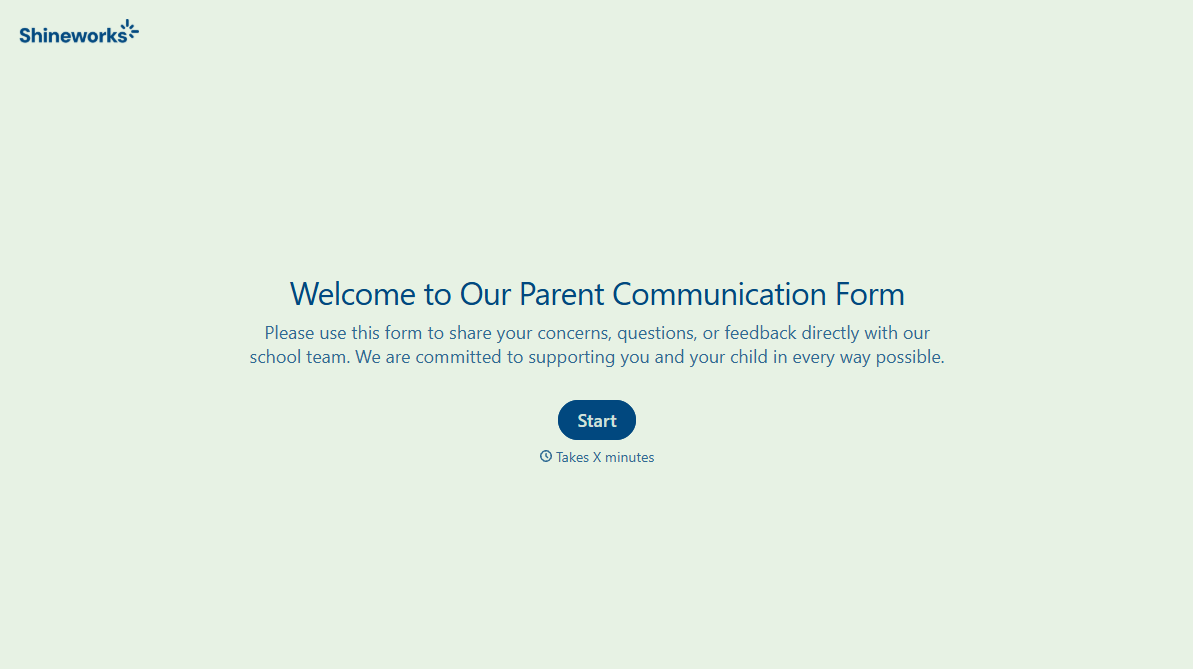
With Typeform, you can customize everything
Change text, colors, and even logos to match the look and feel of your brand. Then embed forms smoothly onto web and email.
Make forms feel effortless to fill out. Pace questions, call people by their name, and adapt the flow based on the data they share.
Stay efficient by connecting forms to your workflow. Typeform integrates with 300+ tools including Slack, Zapier, and HubSpot.