Unconditional Release Form
A lien waiver signed at the job site with a pen borrowed from someone's truck isn't the kind of document a lender wants to see before releasing a draw. Collect the project, payment details, and a signed unconditional release before funds go out, so a draw isn't held up by a waiver nobody can find.



A lien waiver often gets signed in the field, on a clipboard, between other tasks, with little record of exactly which payment period or amount it covers. When a title company or lender needs a complete, accurate set of releases before funding the next draw, someone's tracking down a subcontractor to resign a waiver that was filled out incorrectly the first time, or searching for one that never made it back to the office.
Typeform's unconditional release form asks for what a draw package actually needs: the project and property information, the party releasing the lien, and the payment amount and period covered. Conditional logic branches from there. A release tied to a progress payment can route to fields specific to that payment period, while a release upon final payment can route to language covering the full contract amount instead of a single draw. Every release lands in one signed record instead of a waiver that has to be tracked down before closing.
Connect the form to your accounting or project management software through Zapier, and a draw missing a required signed release can get flagged automatically before funds are disbursed. Ask for it as each payment is made, and your draw package comes together with signed releases already on file instead of a last-minute scramble to collect them.
An unconditional release form, also called an unconditional waiver and release, is a document a contractor, subcontractor, or supplier signs to give up their right to file a mechanics lien against a property, in connection with a specific payment. It takes effect immediately upon signing, which is what makes it "unconditional."
A waiver signed in the field often has the wrong payment amount, the wrong period, or a signature that doesn't match the project record a lender or title company needs. A form standardizes what's collected and creates a signed record tied to the correct project and payment, instead of a document filled out quickly on-site.
Ask for what a draw or closing package will actually need:
- Project and property information
- Name of the party releasing the lien
- Payment amount and the period it covers
- Whether the release applies to a progress payment or final payment
- Signature and date
No, that's what makes it different from a conditional release. An unconditional waiver takes effect immediately upon signing, whether or not the payment has actually been received or cleared, which is why signing one before confirming payment carries real risk for the party giving up lien rights. It's worth confirming payment has cleared, or consulting an attorney about which release type fits your situation, before signing.
Yes. Add a file upload question and parties can attach an invoice or payment confirmation in the same submission, no separate email required. Pair it with conditional logic so the upload only appears when it's actually needed.
Get inspired by relevant templates and categories
3200+ Templates, 300+ Integrations
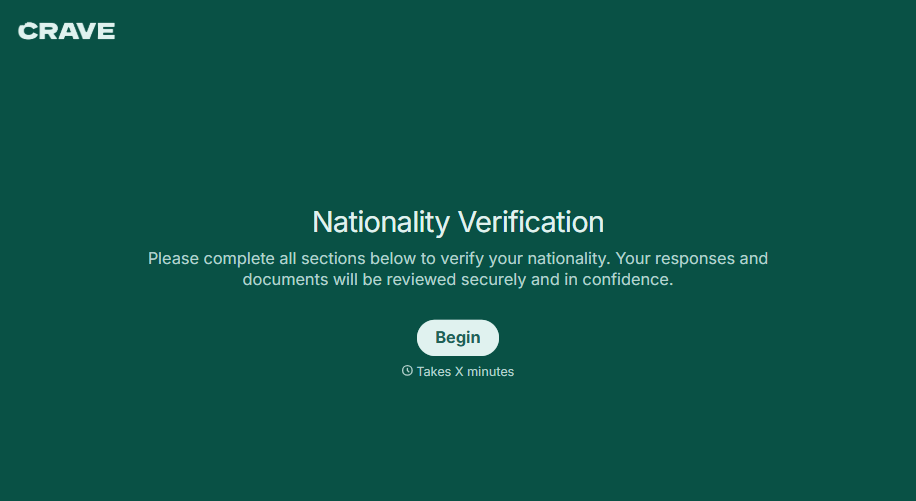
Nationality Verification Form
A self-certification buried in a stack of new account paperwork isn't the kind of record a compliance team can rely on for a regulatory filing. Collect nationality, tax residency, and a signed declaration before an account opens, so compliance isn't chasing down a customer's citizenship status after the fact.
View template
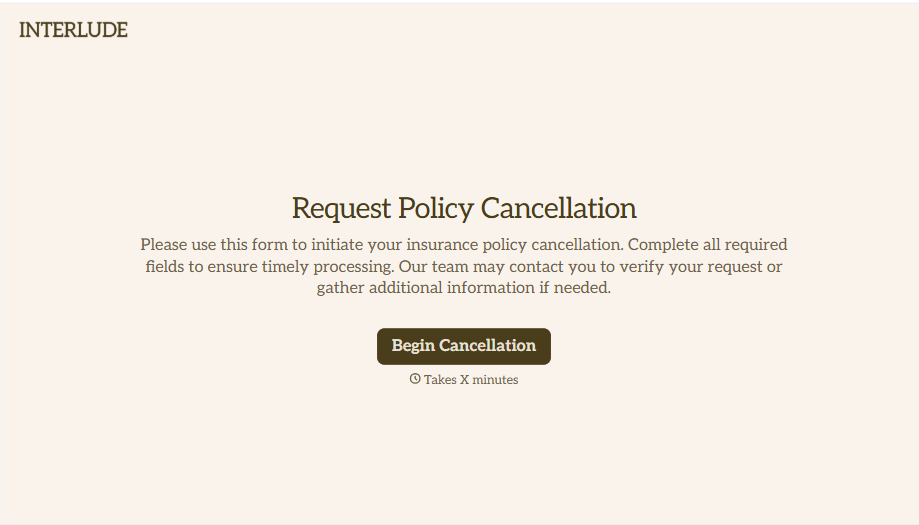
Policy Cancellation Form
A cancellation requested over the phone doesn't leave a clear record of exactly what date the policyholder actually asked for, and that date matters more than it sounds like it should. Collect what your agency actually needs, policy details, identity verification, and the requested effective date, before coverage actually ends.
View template
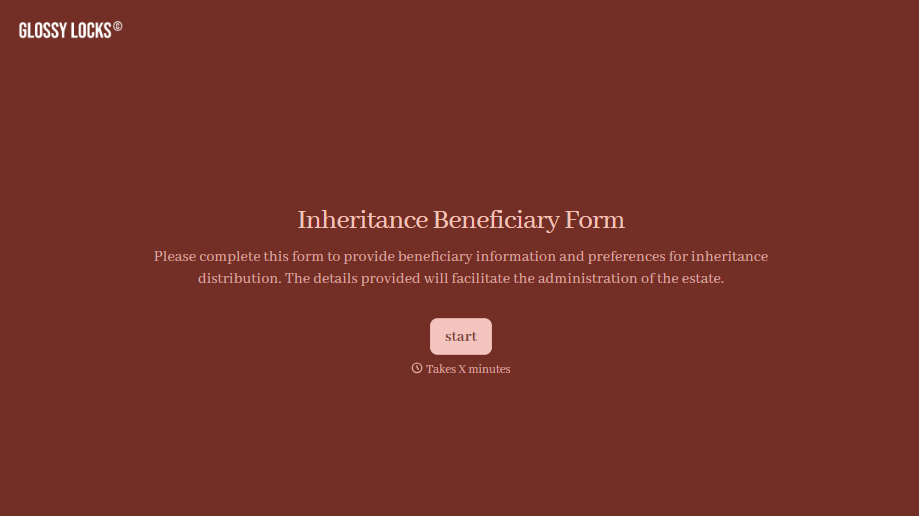
Inheritance Beneficiary Form
Asking a grieving family member for the same banking details across three different phone calls doesn't make settling an estate go any faster. Collect what your firm actually needs, beneficiary information, identification, and distribution details, in one submission instead of three calls.
View template
With Typeform, you can customize everything
Change text, colors, and even logos to match the look and feel of your brand. Then embed forms smoothly onto web and email.
Make forms feel effortless to fill out. Pace questions, call people by their name, and adapt the flow based on the data they share.
Stay efficient by connecting forms to your workflow. Typeform integrates with 300+ tools including Slack, Zapier, and HubSpot.