Witness Statement Form Template
Collect structured accounts from witnesses to incidents or events. This template guides respondents through the facts of what they observed in a clear, organized format.



Witness accounts are most reliable when they're collected soon after an event, before details fade or memories are influenced by other information. But collecting those accounts informally — through conversation or email — produces unstructured narratives that are hard to use in formal proceedings or investigations. Details get omitted. Chronology gets muddled. Important context gets buried.
A structured witness statement form guides respondents through their account systematically. They describe what they observed, when and where they were, what happened in sequence, and whether there were other witnesses. Typeform's one-question-at-a-time format encourages careful, complete responses rather than rushed summaries.
Customize the form for your context — workplace incidents, legal proceedings, insurance investigations, or organizational reviews — and collect statements that are complete enough to be useful.
A witness statement form collects a structured, written account from someone who observed an incident, event, or situation that is under review. It's used in workplace investigations, insurance claims, legal proceedings, and incident reporting processes to document what a witness observed in a consistent, organized format.
Unstructured verbal accounts or email narratives are hard to use systematically in an investigation or legal process. A form guides witnesses through the relevant aspects of what they observed and creates a consistent record that can be compared across multiple witnesses. It also signals to witnesses that their account is being taken seriously and documented carefully.
Cover the key elements of a factual, useful statement:
- What is your full name and contact information?
- What is your relationship to the parties or location involved in the incident?
- When and where exactly did you observe the incident?
- Describe in your own words what you observed, as completely and in as much detail as possible.
- Were there any other people present who also witnessed the incident?
- Is there any physical evidence or documentation you are aware of that is relevant?
Consult with your legal team about the requirements in your jurisdiction, as standards vary. At minimum, the statement should include the witness's full legal name, a clear account of events, the date and location of the observation, and the witness's signature or explicit digital acknowledgment that the statement is accurate. Some legal contexts require notarization or a specific oath format — your legal counsel can advise on what your situation requires.
In most investigation contexts, no. Witnesses should provide their accounts independently, without knowledge of what others have said. Cross-referencing statements is part of the investigation process — done by the investigator, not the witnesses themselves. Make it clear to respondents that their statement is confidential and that they should not discuss it with other potential witnesses before submitting.
Get inspired by relevant templates and categories
3200+ Templates, 300+ Integrations
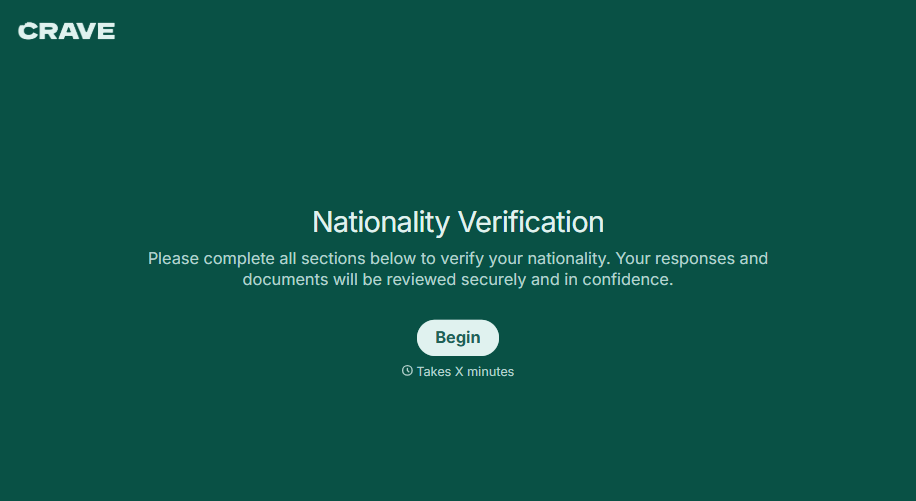
Nationality Verification Form
A self-certification buried in a stack of new account paperwork isn't the kind of record a compliance team can rely on for a regulatory filing. Collect nationality, tax residency, and a signed declaration before an account opens, so compliance isn't chasing down a customer's citizenship status after the fact.
View template
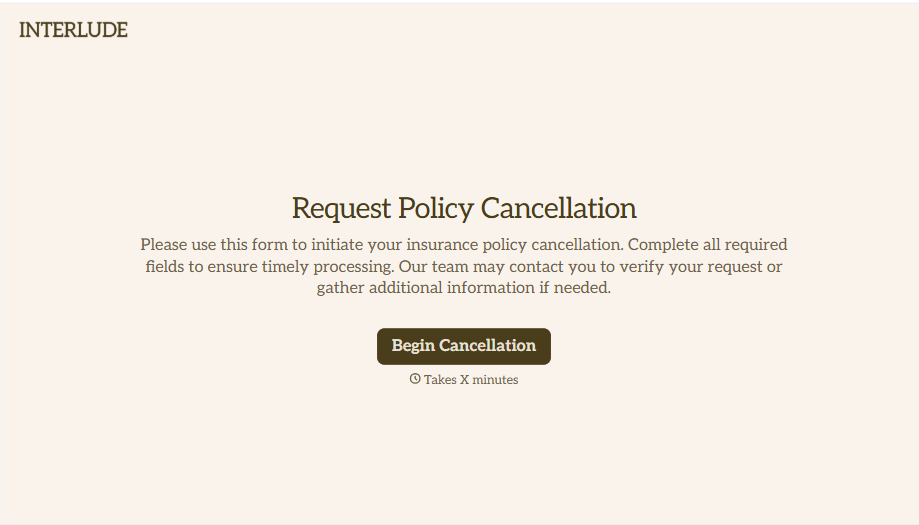
Policy Cancellation Form
A cancellation requested over the phone doesn't leave a clear record of exactly what date the policyholder actually asked for, and that date matters more than it sounds like it should. Collect what your agency actually needs, policy details, identity verification, and the requested effective date, before coverage actually ends.
View template
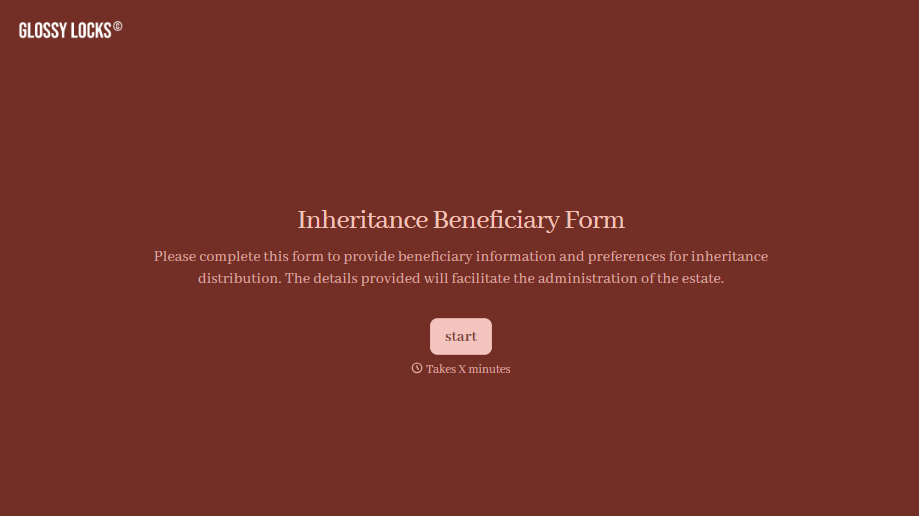
Inheritance Beneficiary Form
Asking a grieving family member for the same banking details across three different phone calls doesn't make settling an estate go any faster. Collect what your firm actually needs, beneficiary information, identification, and distribution details, in one submission instead of three calls.
View template
Personal Training Informed Consent Form
A consent form signed in the ten seconds before a first session isn't the kind of informed agreement that holds up if something goes wrong. Walk clients through the specific risks of training and get a signed, dated acknowledgment before the first rep, so consent actually means what the word implies.
View template
Traffic Accident Report Form
A phone call to a supervisor from the side of the road isn't the kind of record an insurance claim can be built on. Collect the accident details, the other party's information, and photos of the scene before memory starts to fade, so a claim doesn't sit unfiled for days waiting on someone to write it up.
View template
With Typeform, you can customize everything
Change text, colors, and even logos to match the look and feel of your brand. Then embed forms smoothly onto web and email.
Make forms feel effortless to fill out. Pace questions, call people by their name, and adapt the flow based on the data they share.
Stay efficient by connecting forms to your workflow. Typeform integrates with 300+ tools including Slack, Zapier, and HubSpot.