Work Availability Form Template
Collect accurate availability from your team so you can build schedules without the back-and-forth.



Building a work schedule is straightforward in theory. In practice, you're collecting availability from a dozen or more people through texts, phone calls, and paper notes, then trying to fit it all together without double-booking anyone or missing someone's constraints. The process takes far longer than it should and still produces errors.
An availability form standardizes how your team submits their hours. Everyone uses the same format, which means the information you receive is consistent and usable. Use conditional logic to ask follow-up questions based on availability — if someone marks a day as unavailable, ask for the reason so you have the full picture.
Responses feed into a spreadsheet automatically, giving you a live view of your team's availability as submissions come in.
A work availability form is a structured tool used by employees or contractors to submit the days and hours they're available to work in a given period. Managers use the responses to build schedules.
It replaces informal, inconsistent availability collection with a single structured process. You get cleaner data, reduce scheduling errors, and spend less time chasing people for their hours.
Key fields for a work availability form include:
- Employee name and contact information
- The scheduling period (week, month, or specific date range)
- Available days and preferred hours for each day
- Any fixed commitments or constraints
- Maximum hours willing to work per week
- Preference for morning, afternoon, or evening shifts
The frequency depends on your business. Retail and hospitality often collect availability weekly or bi-weekly. For less variable environments, a monthly or per-schedule-period submission works better. Setting up a recurring send from your email tool saves time.
Include a note in your communications that late changes should be flagged to a manager directly, and add a "notes" field in the form where employees can flag anticipated changes. You can also enable re-submission if circumstances shift.
Get inspired by relevant templates and categories
3200+ Templates, 300+ Integrations
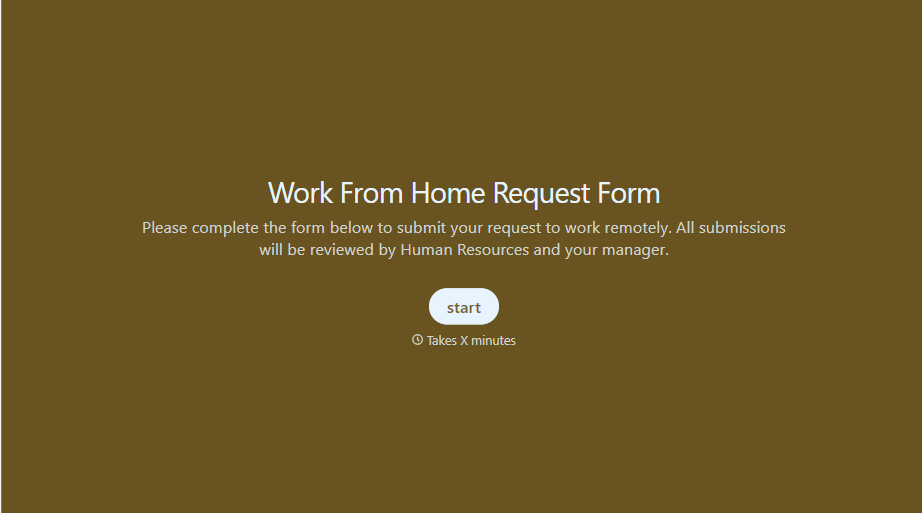
Work From Home Request Form
A Slack message asking to work from home on Thursday isn't a request anyone can track, especially once the same employee has asked five different ways over a month. Collect the request type, dates or schedule, and manager approval in one place, so HR isn't reconstructing who's working where from a scattered inbox.
View template
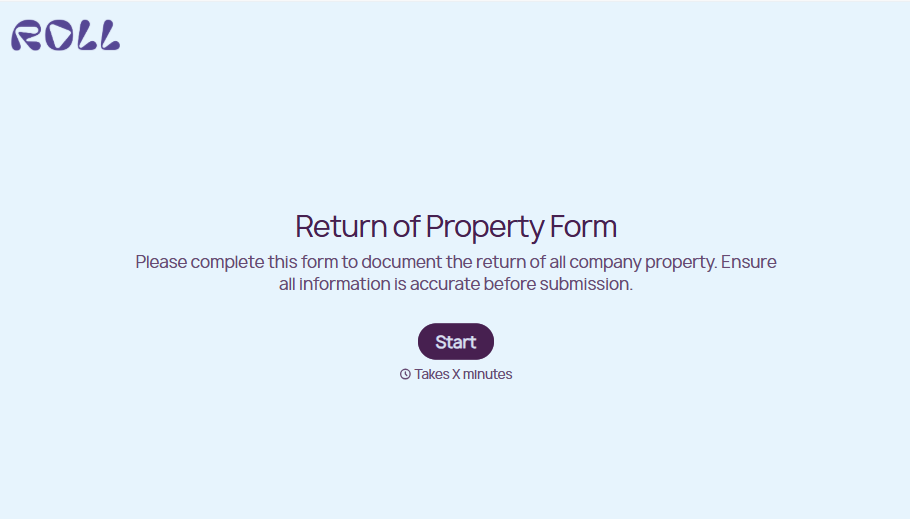
Return of Property Form
A property checklist stapled to an exit interview packet isn't a record anyone can rely on when a laptop turns up missing three weeks later. Collect itemized equipment details, condition at return, and a signed acknowledgment before an employee's last day, so IT isn't chasing down a laptop that already walked out the door.
View template
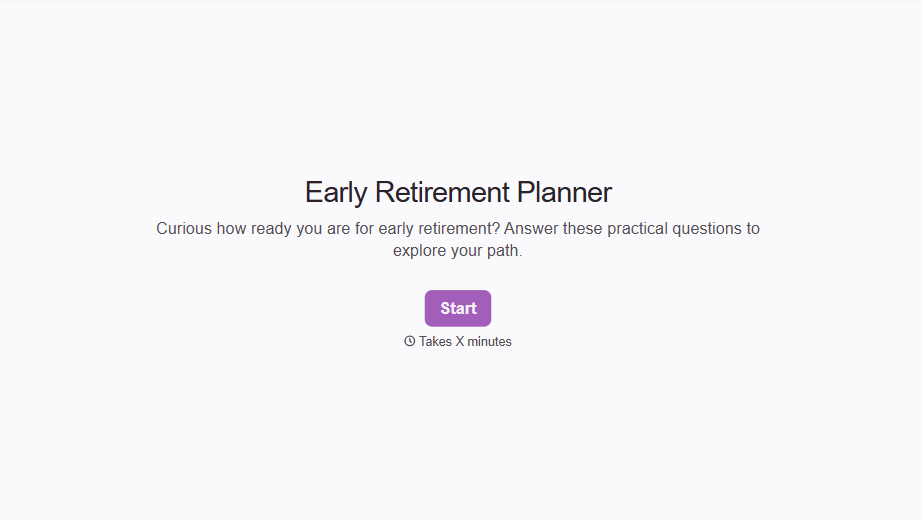
Early Retirement Form
A retirement mentioned to a manager in conversation doesn't give HR anything to actually process, and if there's an incentive deadline attached, the date that conversation happened can matter more than anyone realized at the time. Collect what your HR team actually needs, employee information, requested date, and benefit elections, before a window closes.
View template
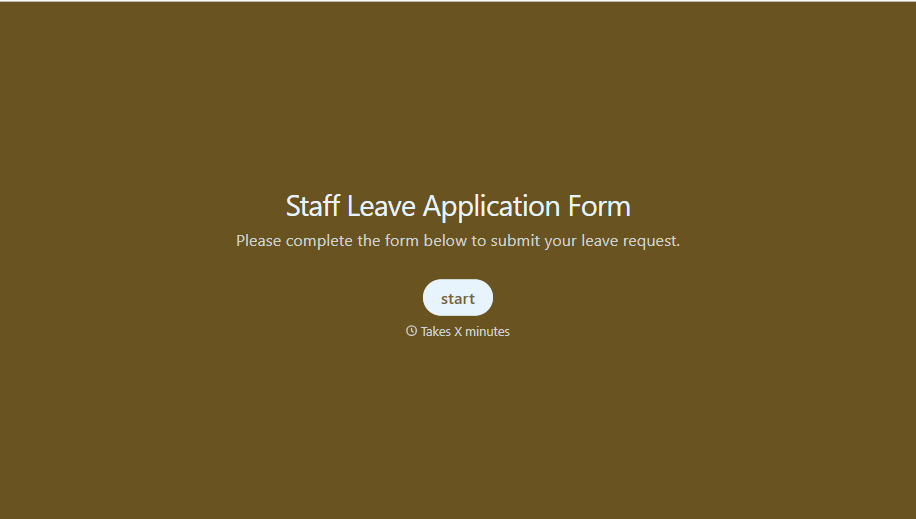
Staff Leave Application Form
A vacation request approved with a thumbs-up emoji in Slack isn't the kind of record payroll can work from when it's time to reconcile someone's leave balance. Collect the leave type, dates, and manager approval in one place, so a team doesn't accidentally double-book someone's time off.
View template
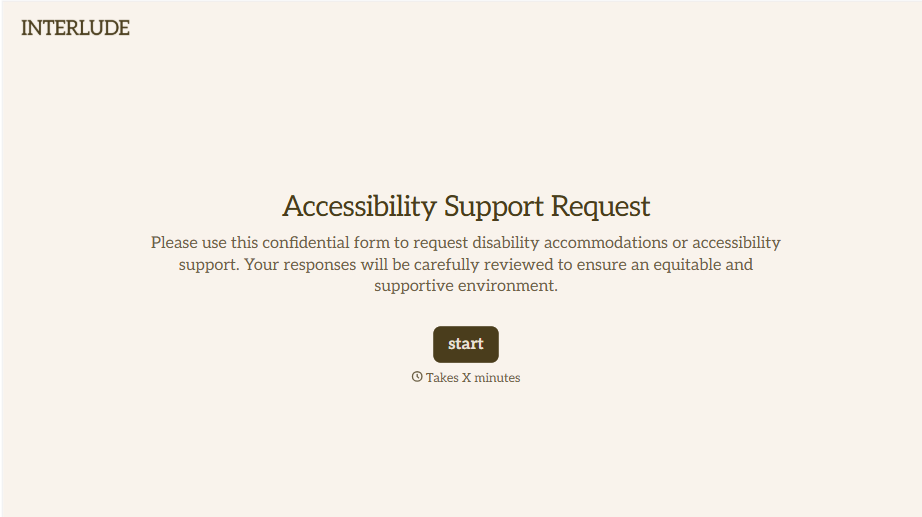
Disability Accommodation Request Form
A quiet word to a manager about needing a different desk setup isn't the kind of request that starts a documented process. Collect the specific accommodation needed and any supporting information before a decision gets made informally, so a request doesn't get lost between a hallway conversation and HR's desk.
View template
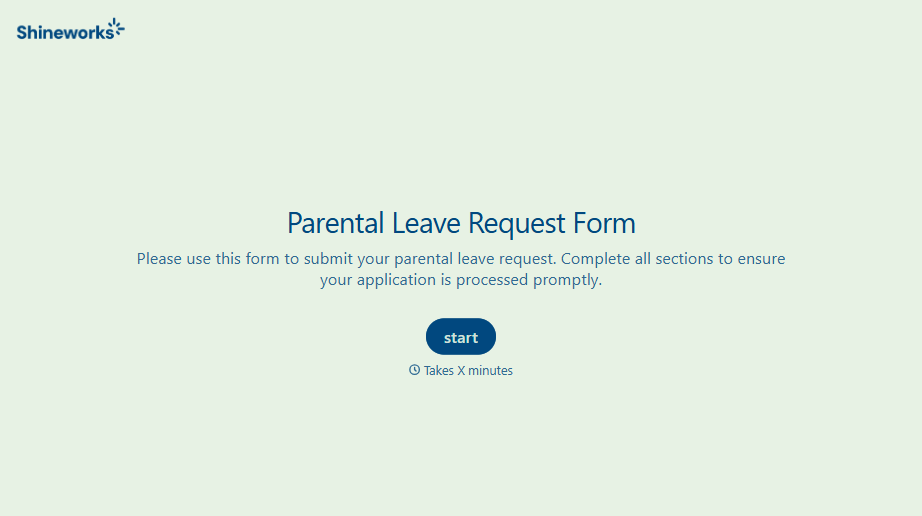
With Typeform, you can customize everything
Change text, colors, and even logos to match the look and feel of your brand. Then embed forms smoothly onto web and email.
Make forms feel effortless to fill out. Pace questions, call people by their name, and adapt the flow based on the data they share.
Stay efficient by connecting forms to your workflow. Typeform integrates with 300+ tools including Slack, Zapier, and HubSpot.