Asset Verification Form
Collect asset descriptions, values, and proof of ownership from every policyholder—underwrite coverage based on confirmed figures, not self-reported guesses.



Most insurers underwrite policies based on self-reported asset values. There's no standard process for collecting proof of ownership or current appraisals, and adjusters have no documentation to reference when a claim comes in. That missing step creates coverage gaps and claims disputes down the line. Typeform's asset verification form template gives insurance teams a repeatable process to confirm asset value before a policy is bound or renewed.
The form covers asset details, current condition, and any documentation needed to confirm value. Policyholders move through the form one question at a time, which makes submitting detailed asset information feel more manageable, rather than overwhelming. Conditional logic adapts the form based on each policyholder's asset type. A client selecting "jewelry" sees follow-up fields for appraisal date and appraiser name, whereas one selecting "electronics" sees fields for make, model, and serial number. This keeps every form relevant to each form respondent.
Customize asset categories and required documentation fields to match your policy types and underwriting requirements. Send it via email ahead of renewal, share as a direct link, or embed it in your client portal. Every submission feeds directly into Google Sheets, your CRM, or your policy management system via Zapier. Write accurate coverage with confidence so fewer claims end in a dispute.
An asset verification form is a structured document insurance companies use to confirm the value and ownership of assets listed in a client's policy. It captures key details like asset description, estimated current value, purchase date, and proof of ownership (receipts, appraisals, photos)—giving underwriters the documentation they need to set accurate coverage limits, and giving clients the coverage they're actually entitled to.
A complete asset verification form covers:
- Asset description and category (jewelry, electronics, vehicle, art, business equipment)
- Estimated current value
- Original purchase price and date
- Proof of ownership (receipt, appraisal certificate, title)
- Current condition
- Appraiser name and appraisal date, where applicable
- Supporting photos or documents
Use it at policy inception—before coverage is bound—to establish accurate baseline values. Run it again at renewal, when asset values may have changed or new items have been added. A client who adds a high-value item mid-policy (e.g., jewelry, art, equipment)—bought after the policy started—needs verification before that item is covered, or the insurer has no documented value to pay out against at claims time.
This asset verification form works for any insurable asset: jewelry, fine art, collectibles, electronics, vehicles, musical instruments, and business equipment. Conditional logic branches fields so that each policyholder only sees the questions relevant to their asset type, keeping submissions structured and consistent, regardless of what's being covered.
Accept self-reported values with a clear disclaimer field in the form, noting that coverage may be limited without supporting documentation. Flag those submissions for follow-up—either a professional appraisal or a supplemental document submission—before finalizing coverage. Undocumented assets don't have to stall the process; they just need a defined next step built into your workflow.
Get inspired by relevant templates and categories
3200+ Templates, 300+ Integrations
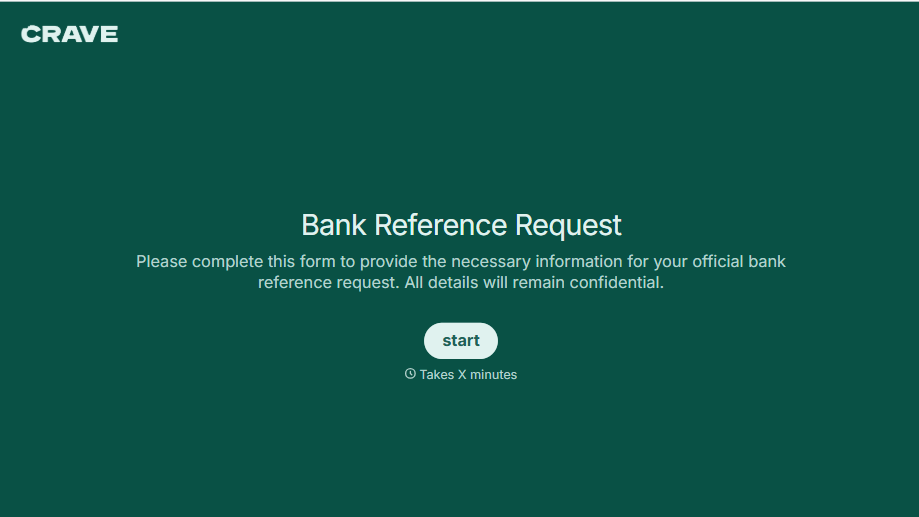
Bank Reference Form
A reference request faxed to a bank branch and left sitting in a queue for weeks isn't the kind of turnaround a landlord or business can wait on. Collect the applicant's signed authorization and the specific details you need confirmed before the request even reaches the bank, so a decision isn't stuck behind a letter that hasn't come back yet.
View template
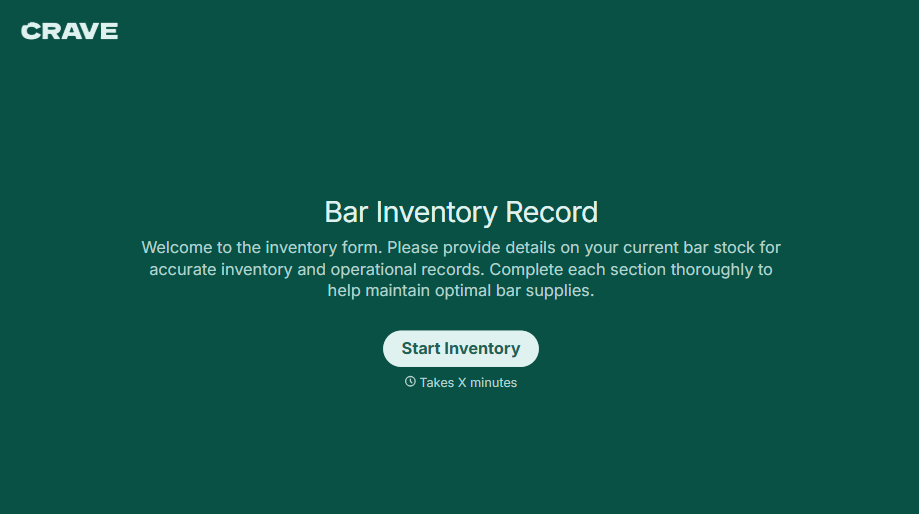
Bar Inventory Form
A bottle count eyeballed at the end of a shift and scrawled on a paper sheet doesn't hold up against a pour cost report that says something doesn't add up. Collect what your bar actually needs, item, count, and variance, on a schedule you can actually compare week to week.
View template
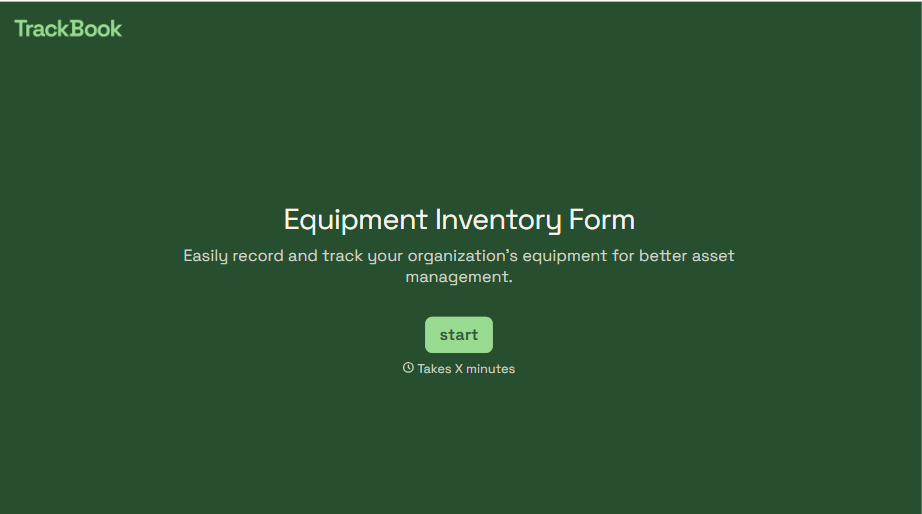
Equipment Inventory Form
Equipment that leaves a storage room in someone's arms, with no note about where it went, doesn't show up again until someone needs it and can't find it. Collect what your team actually needs, item details, condition, and who's got it, every time something moves.
View template
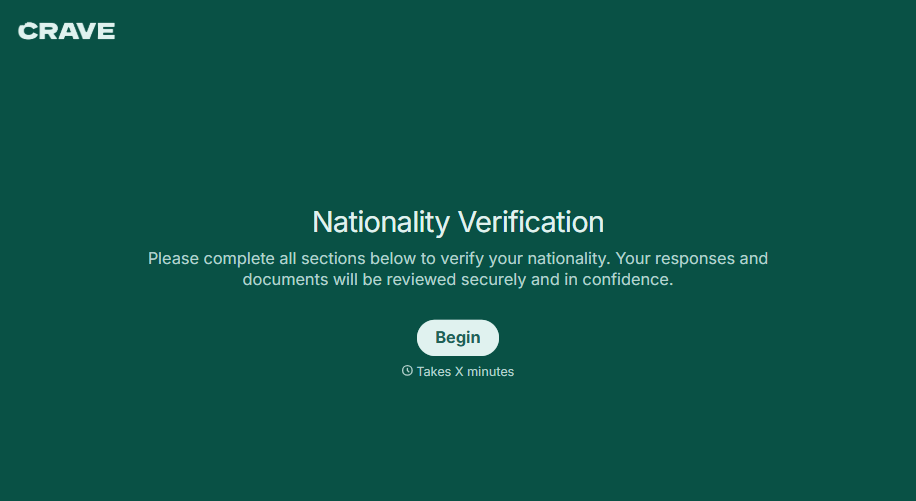
Nationality Verification Form
A self-certification buried in a stack of new account paperwork isn't the kind of record a compliance team can rely on for a regulatory filing. Collect nationality, tax residency, and a signed declaration before an account opens, so compliance isn't chasing down a customer's citizenship status after the fact.
View template
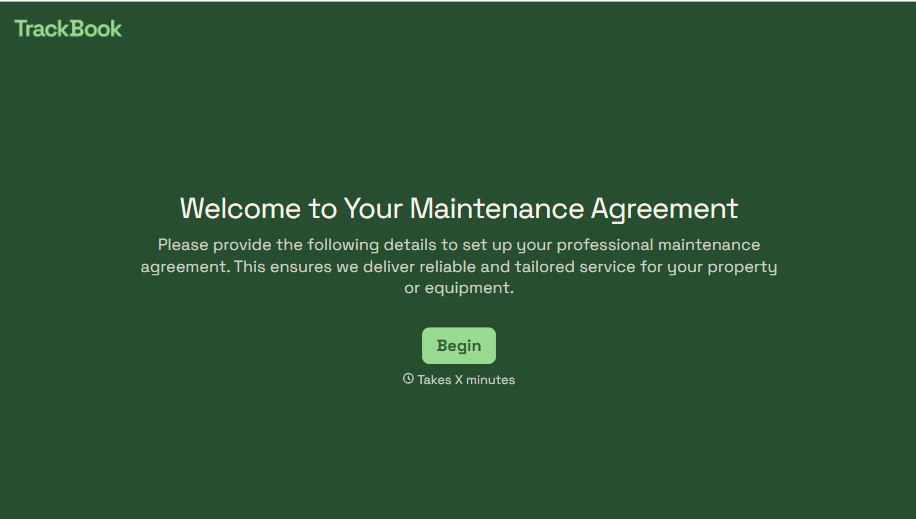
Maintenance Agreement Form
A maintenance plan agreed to over the phone isn't a contract your service team can actually work from, especially when nobody's sure whether the twice-a-year tune-up was part of the deal. Collect the equipment covered, service frequency, and a signed agreement before the first visit, so your team isn't guessing at scope once they're on-site.
View template
With Typeform, you can customize everything
Change text, colors, and even logos to match the look and feel of your brand. Then embed forms smoothly onto web and email.
Make forms feel effortless to fill out. Pace questions, call people by their name, and adapt the flow based on the data they share.
Stay efficient by connecting forms to your workflow. Typeform integrates with 300+ tools including Slack, Zapier, and HubSpot.