College Application Form Template
Help prospective students put their best foot forward with an application process that's clear, organized, and actually pleasant.



College applications are high-stakes for students. They're submitting personal essays, academic records, and extracurricular histories. Often to multiple schools simultaneously. When your application process is confusing, overly long, or technically frustrating, you risk losing strong candidates who give up or make avoidable errors.
This college application form template structures the admissions process into a guided, step-by-step experience. The one-question-at-a-time format prevents the overwhelm of seeing all 30+ fields at once. Conditional logic shows different sections based on the applicant's profile. Transfer students see different questions than first-year applicants, and international students get fields for visa status and English proficiency.
Customize it with your institution's branding, programs, and specific requirements. Connect submissions to your admissions CRM through integrations so applications flow directly into your review pipeline. A better application experience doesn't just help students. It reflects well on your school.
A college application form is the primary document through which prospective students apply for admission to an institution of higher education. It collects academic history, personal information, extracurricular involvement, standardized test scores, and often includes essay prompts and recommendation letter instructions. It's the foundation of the admissions evaluation process.
Paper applications and basic PDF forms create manual work for your admissions team and friction for applicants. A digital form with conditional logic delivers a tailored experience, showing relevant questions based on the applicant's profile, while feeding structured data directly into your review system. It also reduces incomplete applications because required fields are enforced before submission.
- Full legal name, date of birth, and contact information
- High school attended, GPA, and graduation date
- Standardized test scores (SAT, ACT) or test-optional declaration
- Intended major or area of academic interest
- Extracurricular activities and leadership roles
- Essay prompt response (with character or word count guidance)
Use conditional logic to create branching paths early in the form. When an applicant selects their type, the form dynamically adjusts. Transfer students see fields for current institution, courses completed, and transfer credit requests. International students see questions about citizenship, visa status, and English proficiency exams. First-year applicants get the standard flow. One form, multiple tailored experiences.
It depends on your goals. For informal internal decisions, 30 to 50 responses might suffice. For results you want to cite publicly or base strategic decisions on, you'll want a statistically significant sample. Typically 100+ for general trends, and 300+ for segment-level analysis. More important than sample size, though, is sample quality. Make sure you're reaching the right people, not just the loudest ones.
Get inspired by relevant templates and categories
3200+ Templates, 300+ Integrations
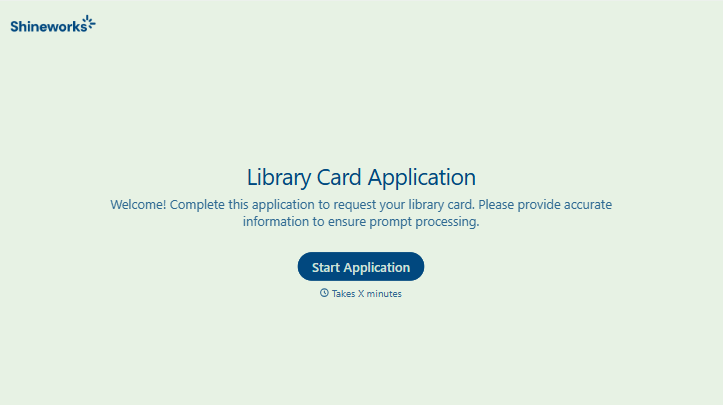
Library Card Application Form
Move past a quick sign-up sheet that just grabs a name and an address. Screen for who actually needs a parent or guardian to co-sign, confirm proof of residency, and keep a record of exactly what each cardholder agreed to before you hand over a card that comes with real financial responsibility attached.
View template
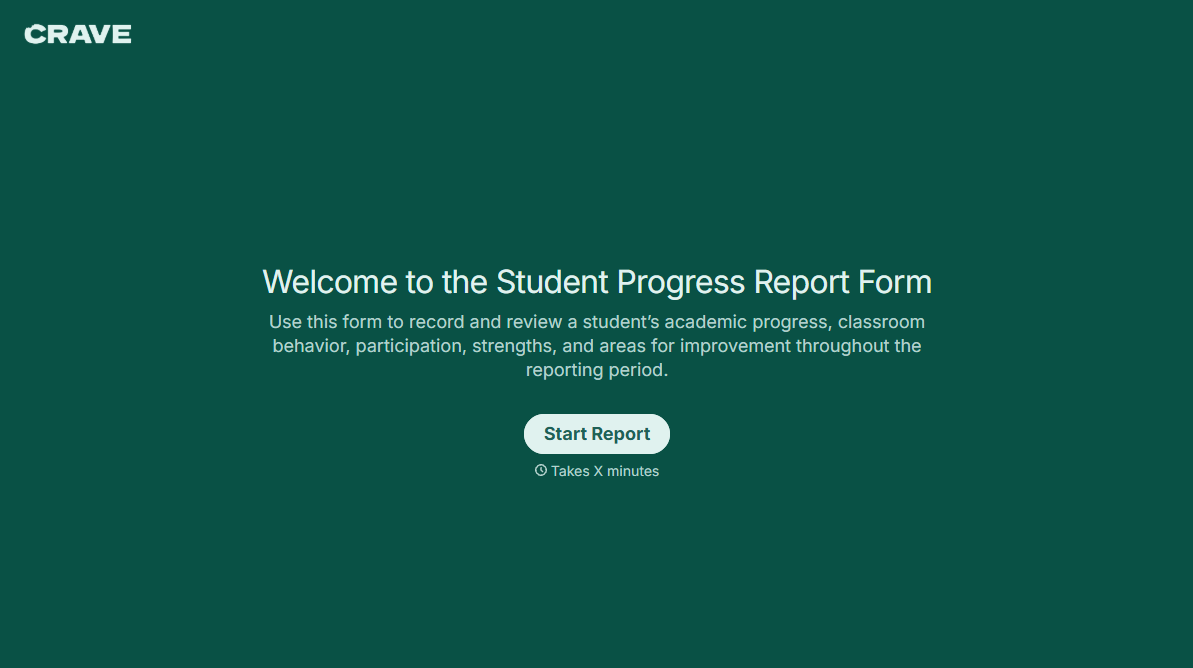
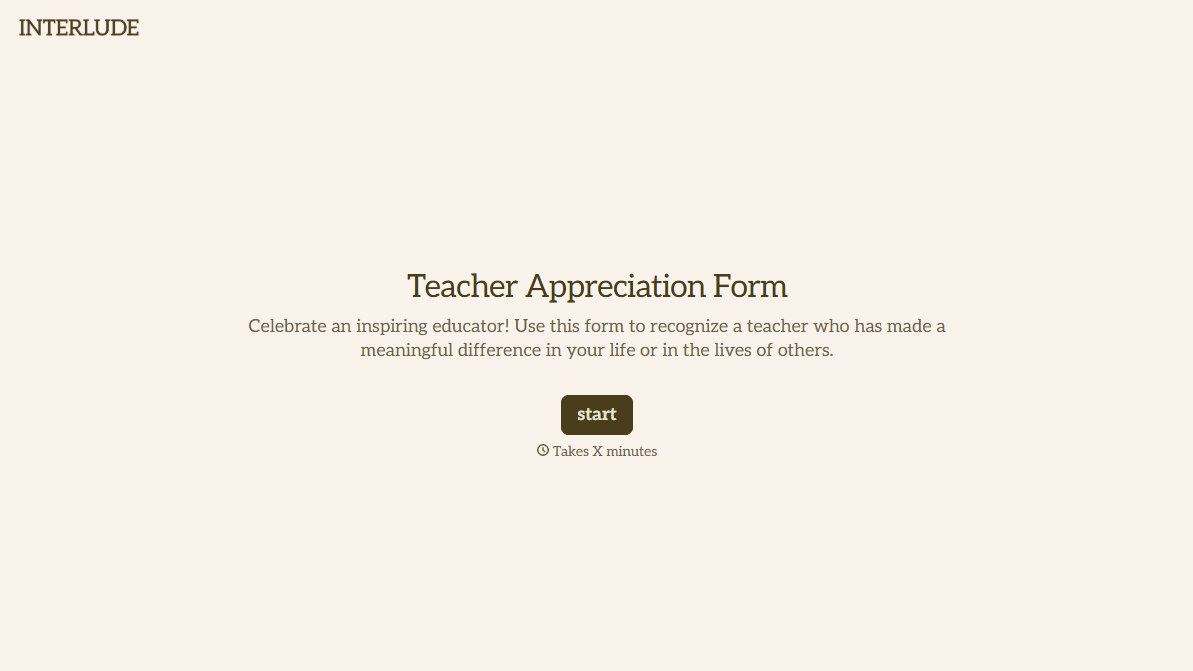
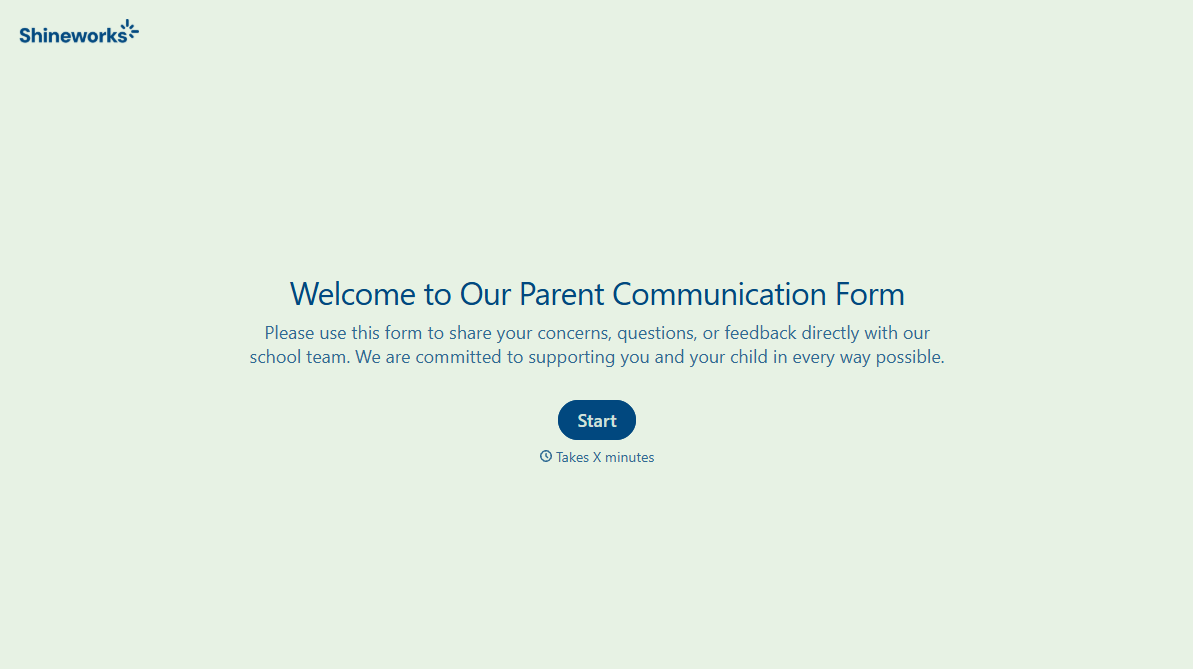


With Typeform, you can customize everything
Change text, colors, and even logos to match the look and feel of your brand. Then embed forms smoothly onto web and email.
Make forms feel effortless to fill out. Pace questions, call people by their name, and adapt the flow based on the data they share.
Stay efficient by connecting forms to your workflow. Typeform integrates with 300+ tools including Slack, Zapier, and HubSpot.