Daily Routine Form Template
Map out your day (or your team's) in a way that actually reveals patterns.



Understanding how time gets spent is the first step to spending it better. Whether you're a coach helping clients build healthier habits, a manager understanding team workflows, or someone trying to figure out why your days feel so chaotic, a daily routine form turns abstract time into concrete data.
This daily routine form template walks respondents through their day in chronological blocks (morning, midday, afternoon, and evening), capturing activities, duration, energy levels, and satisfaction. The one-question-at-a-time format makes it feel like a reflection exercise, not a chore. Conditional logic adapts follow-ups based on activity types, so work tasks get different questions than exercise or meals.
Customize the time blocks and activity categories for your specific use case, share the link with participants, and track responses over time through integrations with Google Sheets or Airtable. Spot patterns, identify energy peaks, and make data-informed adjustments.
A daily routine form is a structured way to document how someone spends their time throughout a typical day. It captures activities, their duration, and often qualitative data like energy levels or mood. It's used by coaches, therapists, researchers, and managers to understand behavioral patterns and identify opportunities for improvement.
Anyone who wants to understand time use patterns, or help others understand theirs. Health coaches use them to identify lifestyle factors affecting wellness. Managers use them to spot workflow inefficiencies. Researchers collect them for time-use studies. And individuals use them for self-reflection. It's hard to improve your routine if you don't know what your routine actually is.
- Wake-up time and morning activities
- Work or school hours and primary tasks
- Meal times and what was consumed
- Exercise or physical activity type and duration
- Screen time and leisure activities
- Bedtime and sleep quality rating
For meaningful patterns, daily completion over at least 1-2 weeks works well. But consistency matters more than duration. Seven days of honest answers beats 30 days of rushed, inaccurate ones. If daily feels like too much, try 3 non-consecutive days (2 weekdays and 1 weekend day) to capture variation without survey fatigue.
Absolutely. When responses feed into Google Sheets or Airtable through integrations, you can filter, sort, and compare across respondents. This is especially useful for research studies, team assessments, or coaching programs where you want to identify common patterns, outliers, or correlations between routine elements and outcomes.
Get inspired by relevant templates and categories
3200+ Templates, 300+ Integrations
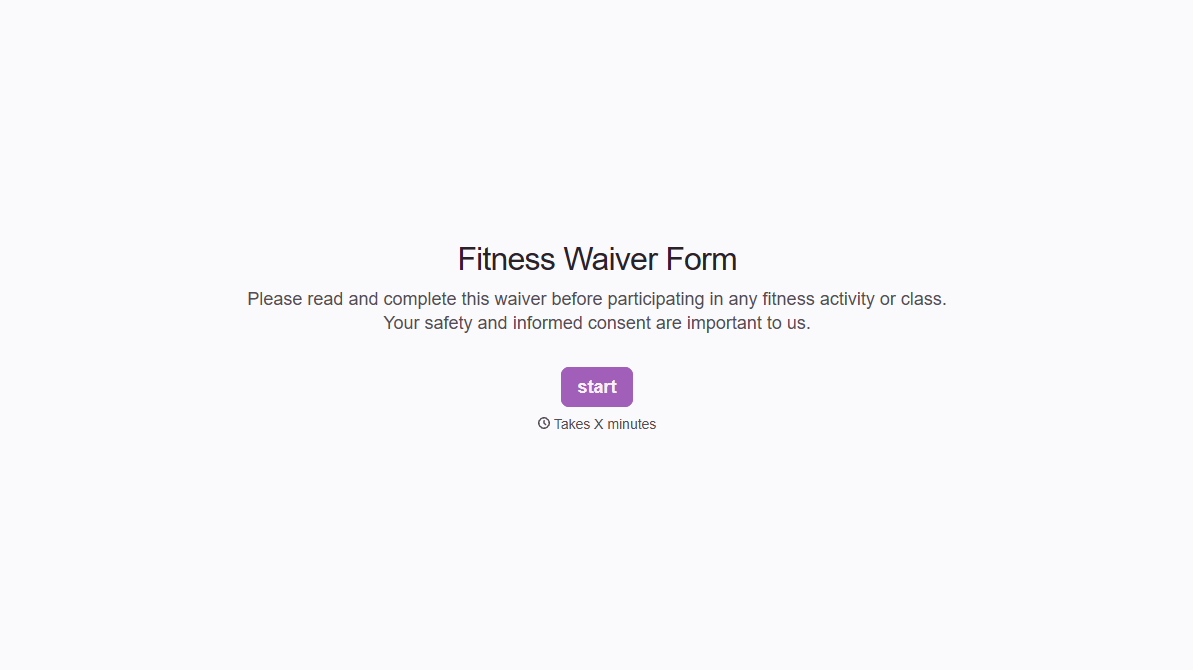
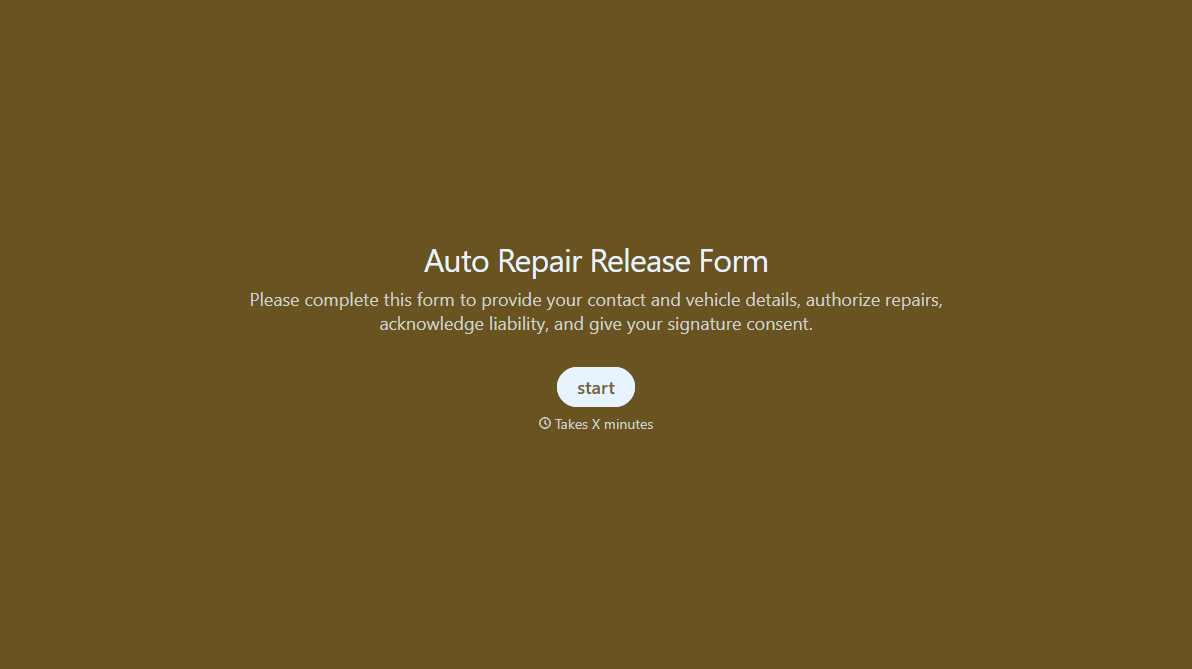
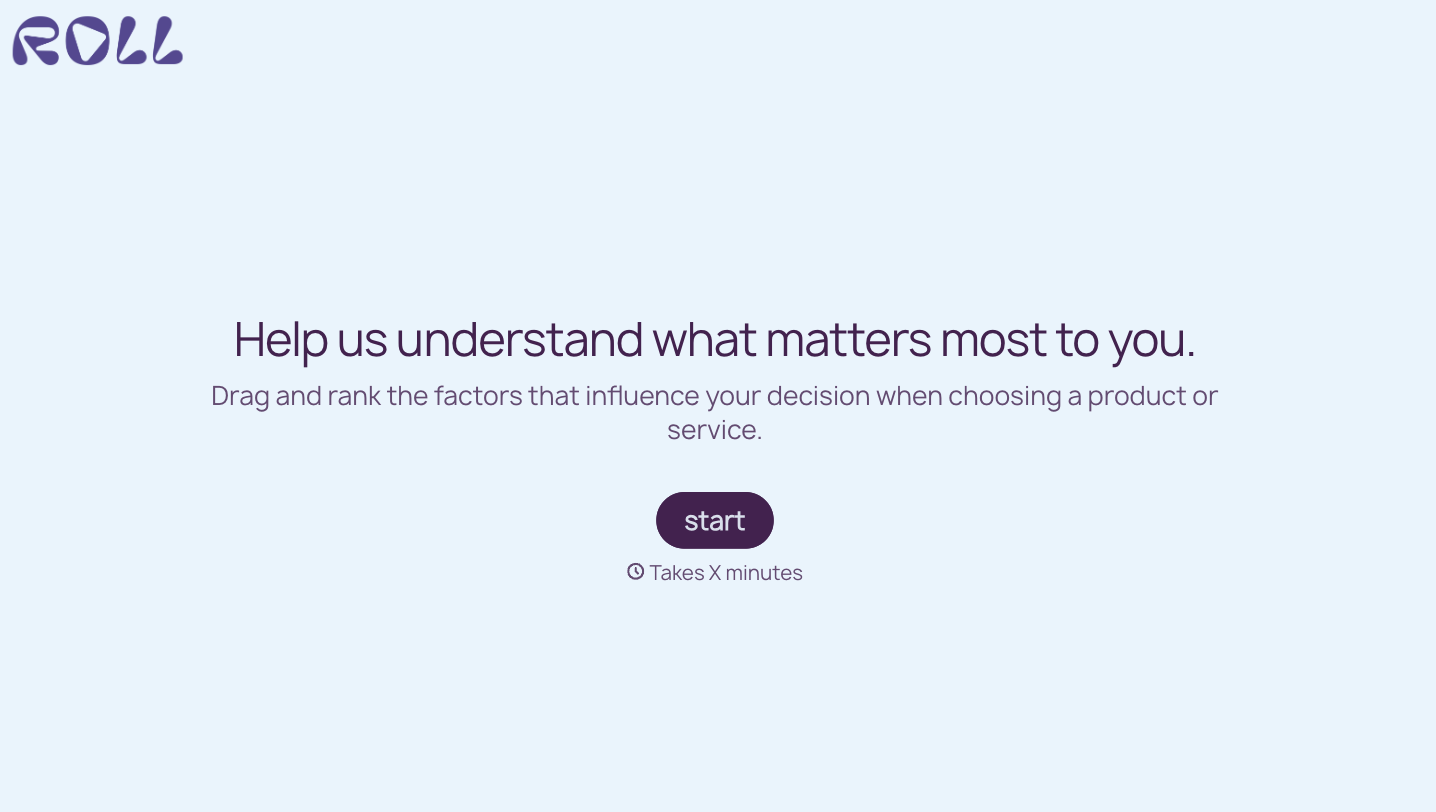

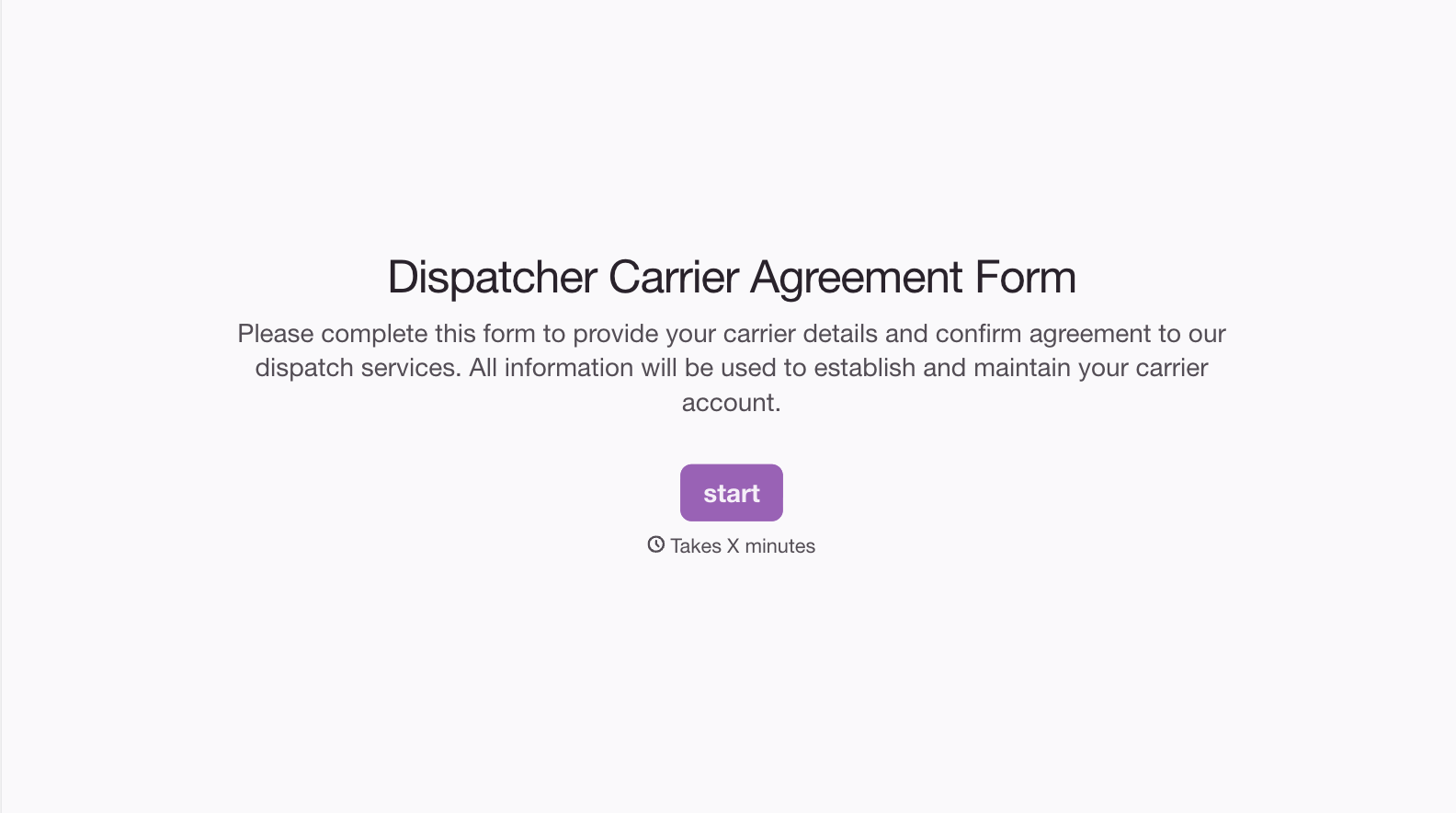
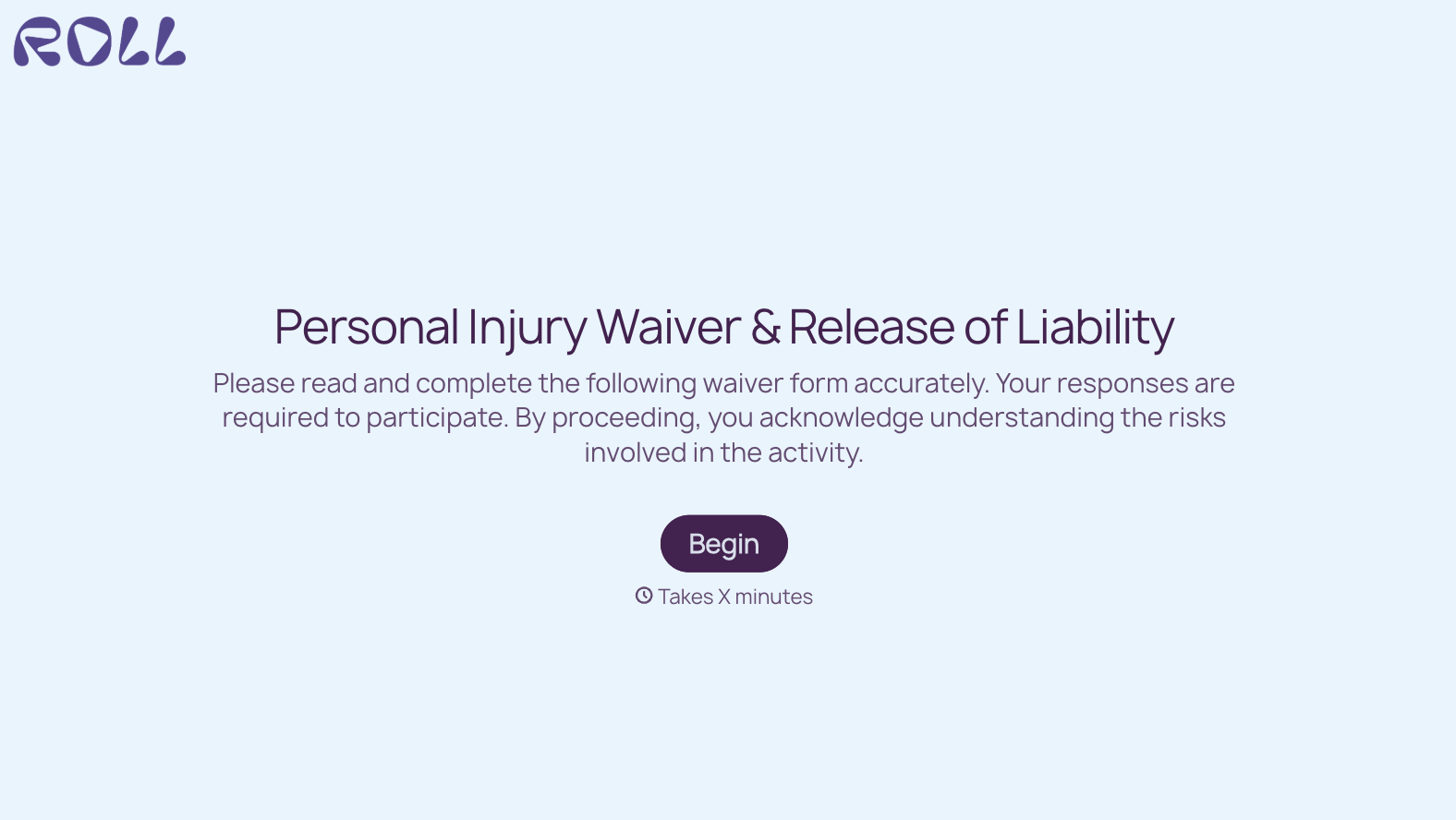
With Typeform, you can customize everything
Change text, colors, and even logos to match the look and feel of your brand. Then embed forms smoothly onto web and email.
Make forms feel effortless to fill out. Pace questions, call people by their name, and adapt the flow based on the data they share.
Stay efficient by connecting forms to your workflow. Typeform integrates with 300+ tools including Slack, Zapier, and HubSpot.