Workplace Learning Plan Form
Help employees and managers create structured professional development plans with a form that collects learning goals, skill gaps, and training preferences. Keep development priorities organized so teams can track progress, identify learning opportunities, and support employee growth in the workplace.


An employee wants to strengthen their leadership skills, while another hopes to develop technical expertise for their current role. Both have professional development goals, but their learning needs and career aspirations differ. A workplace learning plan form helps employees and managers identify development priorities and create actionable plans for building new skills.
Employees provide information about their current roles, learning objectives, and areas they want to improve. You can include fields for preferred training methods, available resources, target completion dates, and expected learning outcomes. Questions about existing skills and potential challenges help managers recommend appropriate development opportunities.
Your team receives organized learning plans without relying on scattered documents or informal conversations. Managers review submissions, identify common training needs, and schedule development activities. HR teams get a structured way to support employee growth, monitor learning progress, and align professional development with organizational goals.
A workplace learning plan form helps employees and managers document professional development goals, identify skill gaps, and outline training activities. This would typically include employee information, learning objectives, preferred training methods, timelines, and progress indicators. Organizations use it to create personalized development plans and support ongoing workplace learning.
Managing professional development through informal conversations or separate documents can make it difficult to track learning goals and progress. A structured workplace learning plan form collects consistent information about employee development needs and training priorities. It helps managers recommend relevant learning opportunities, establish realistic timelines, and evaluate progress while giving employees clear direction for their professional growth.
Include questions that help employees identify learning priorities and create actionable development plans, like:
- What is your full name?
- What is your current job title?
- Which department do you work in?
- Who is your manager or supervisor?
- What skills would you like to develop?
- What are your primary learning objectives?
- How will these skills support your current role?
- What professional development activities interest you?
- Which learning methods do you prefer?
- What training resources or support do you need?
- What challenges could affect your learning progress?
- When would you like to complete your learning goals?
- How will you measure your progress?
- How will you apply your new skills at work?
- When should your manager review your progress?
You can customize the questions to match your organization's training programs, employee development goals, and performance review processes.
Use dropdown menus for departments, job roles, and preferred learning methods. Include clear instructions for setting measurable learning objectives and selecting realistic completion dates. Conditional logic can display additional questions based on employees' development priorities or training preferences. Keep required fields focused on essential information and explain how managers will review and support submitted learning plans.
Yes. A workplace learning plan form helps organizations document learning objectives, establish development timelines, and monitor employee progress. Managers can review submitted plans during regular check-ins, identify completed training activities, and discuss opportunities for improvement. HR teams can also use the collected information to identify common skill gaps, evaluate training needs, and support ongoing professional development across departments.
Get inspired by relevant templates and categories
3200+ Templates, 300+ Integrations
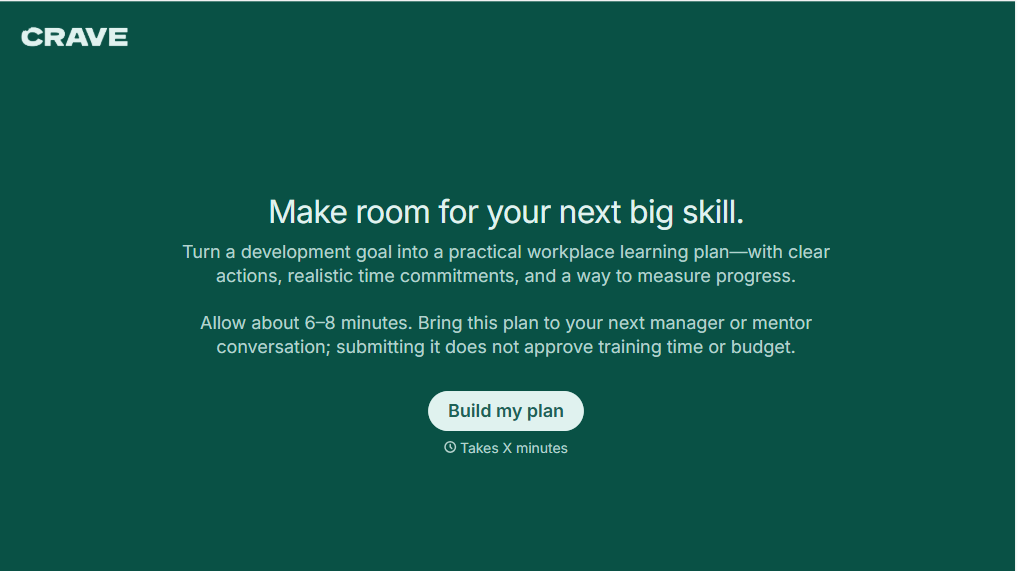
Workplace Learning Plan Form
Help employees and managers create structured professional development plans with a form that collects learning goals, skill gaps, and training preferences. Keep development priorities organized so teams can track progress, identify learning opportunities, and support employee growth in the workplace.
View template

Skills Assessment Consent Form
Give employers, training providers, and educational organizations a straightforward way to obtain consent for skills assessments with a form that collects participant information, assessment details, and authorization. Keep consent records organized so administrators can communicate evaluation procedures, explain how results will be used, and confirm participation before assessments begin.
View template
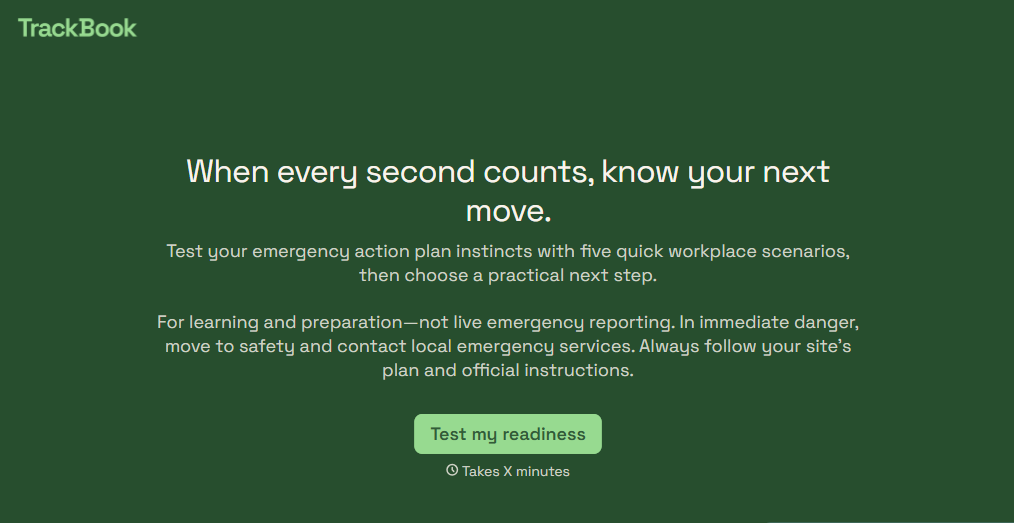
Emergency Action Plan Quiz Form
Give employees an easy way to test their emergency preparedness knowledge with a quiz that covers evacuation procedures, emergency contacts, and workplace safety protocols. Keep the results organized so your team can identify knowledge gaps, reinforce training, and improve emergency response readiness.
View template

Camp Volunteer Staff Reference Form
Give camp coordinators an easy way to collect references for prospective volunteers with a form that gathers information about reliability, relevant experience, and interpersonal skills. Keep reference responses organized so camp administrators can evaluate applicants, identify strengths, and make informed volunteer selection decisions.
View template
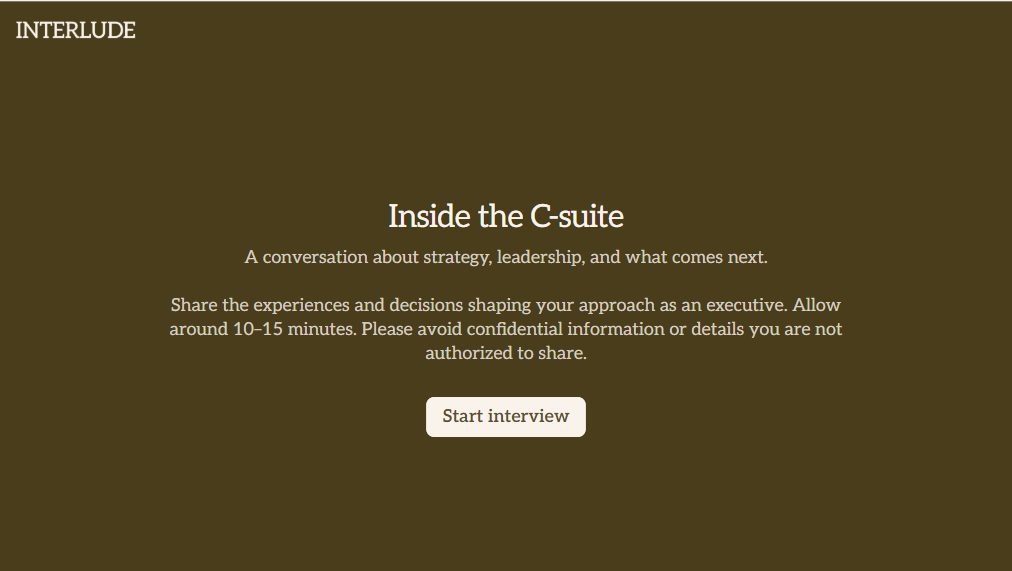
C Suite Interview Form
Give hiring teams a structured way to evaluate executive candidates with a form that collects leadership experience, strategic priorities, and management approaches. Keep the interview feedback organized so decision-makers can compare qualifications and make informed hiring decisions.
View template
With Typeform, you can customize everything
Change text, colors, and even logos to match the look and feel of your brand. Then embed forms smoothly onto web and email.
Make forms feel effortless to fill out. Pace questions, call people by their name, and adapt the flow based on the data they share.
Stay efficient by connecting forms to your workflow. Typeform integrates with 300+ tools including Slack, Zapier, and HubSpot.