Probationary Evaluation Form Template
Document performance during a probationary period — with clear, fair criteria from the start.



The probationary period is when expectations are set and both the employee and employer determine whether the fit is right. A formal evaluation at mid-probation and end-of-probation ensures that feedback is given, performance is documented, and decisions are defensible.
The template covers the employee's name and role, the probationary period dates, performance ratings across key competencies, specific observations and examples, attendance and conduct record, development areas, whether the probationary period is extended or completed, and the next steps.
When employees know what they'll be evaluated on from day one, they have a fair chance to succeed. Documenting that evaluation gives both parties a clear record of what was discussed.
3 to 6 months is most common. Some roles with steep learning curves use 12-month probationary periods. The length should be sufficient to genuinely assess whether the employee can perform the role requirements.
Regular check-in meetings with documented feedback, clear goal-setting, access to training and support, and at least one formal evaluation at mid-point. Employees should never be surprised by a probationary failure if check-ins were happening.
Yes, in many jurisdictions. Extension is appropriate when performance shows improvement but hasn't reached the required standard, or when circumstances (like extended sick leave) prevented a fair assessment. Document the reasons for extension clearly.
Provide advance notice as required by your employment policies and local law. Document the specific performance shortfalls and the feedback given during the period. Have HR review the decision before it's communicated.
This varies significantly by jurisdiction. In some countries, employees have fewer protections during probation. In others, protections apply from day one. Always consult your employment law requirements before making a probation-related termination.
Get inspired by relevant templates and categories
3200+ Templates, 300+ Integrations
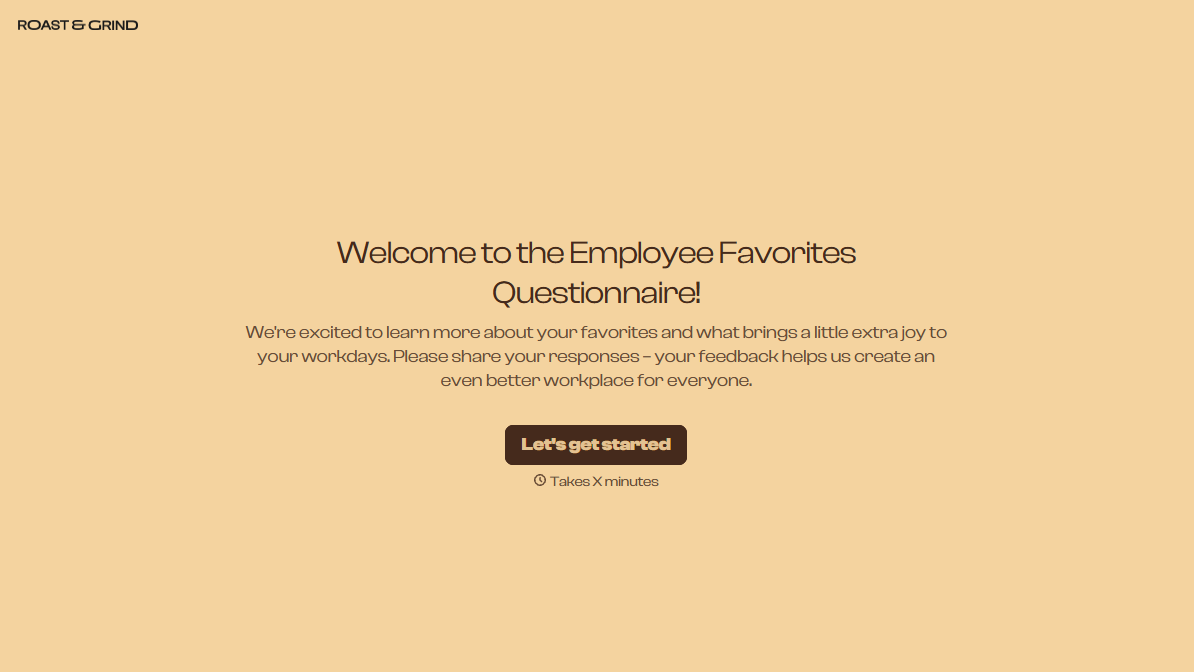
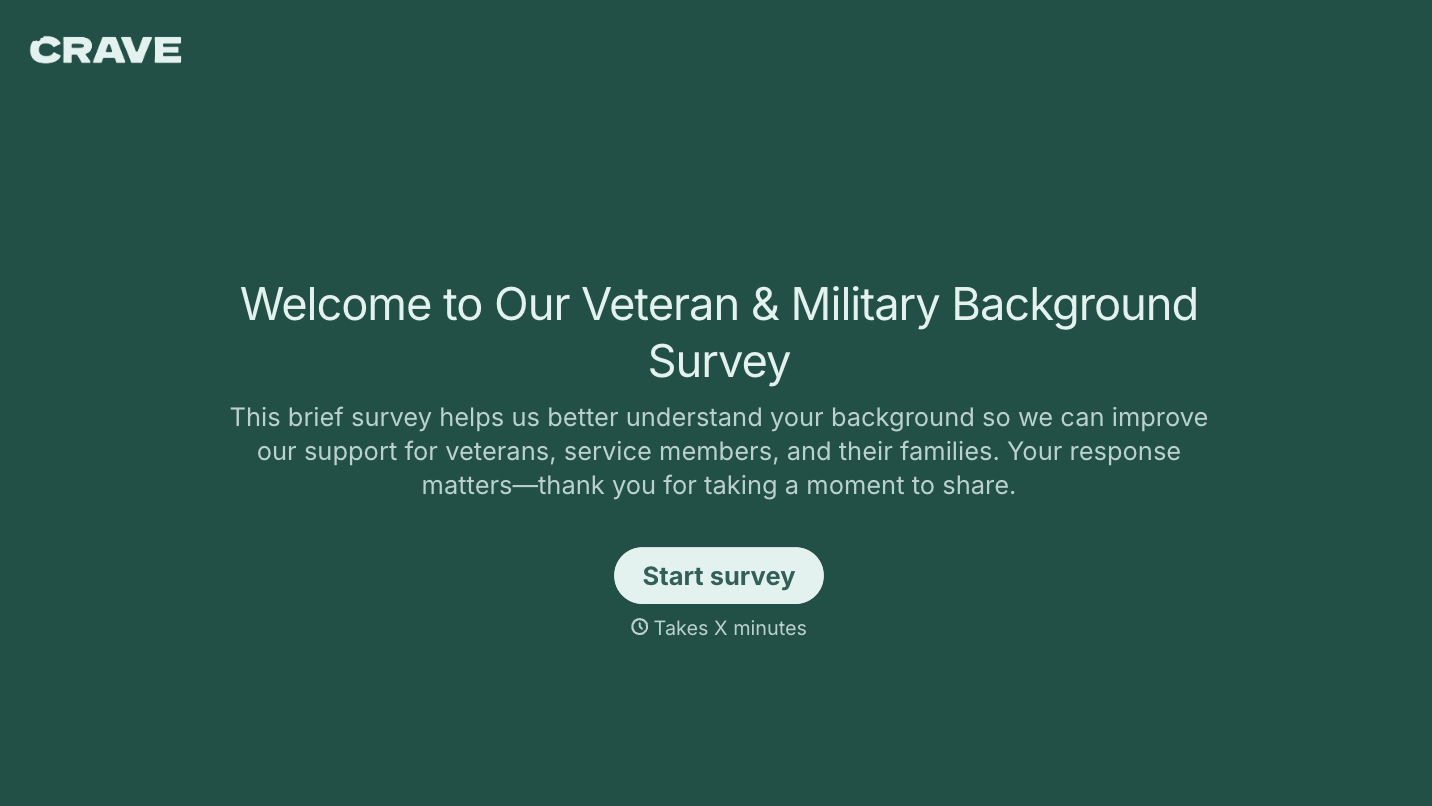
With Typeform, you can customize everything
Change text, colors, and even logos to match the look and feel of your brand. Then embed forms smoothly onto web and email.
Make forms feel effortless to fill out. Pace questions, call people by their name, and adapt the flow based on the data they share.
Stay efficient by connecting forms to your workflow. Typeform integrates with 300+ tools including Slack, Zapier, and HubSpot.