Psychology Informed Consent Form
Set clear expectations before the first session, so every client walks in informed and every consent record is already on file.



Therapy practices that rely on paper consent forms have no reliable way to confirm that clients actually reviewed their policies before signing. An incomplete consent form exposes the practice to legal risk and starts the therapeutic relationship before the client fully understands what they’re agreeing to. Typeform's psychology informed consent template gives practitioners a reliable way to collect signed, documented consent before a client's first session.
The form captures contact details, session policies, confidentiality limits, emergency contacts, and a digital signature confirming informed consent. Questions appear one at a time, so clients read each policy carefully without facing a wall of legal text. Conditional logic adapts the form based on the client's session format. A telehealth client sees platform security and recording terms, while an in-person client moves to the cancellation and fee schedule.
Customize the policy language, fee structure, and confidentiality disclosures to match your practice and state licensing requirements. Send the form via email before the first appointment or include it in your client intake welcome message. Submissions log automatically in your practice management platform via Zapier, so consent records are on file before the session begins. Start every client relationship with a signed consent record already on file before the client walks through the door.
A psychology informed consent form documents a client's agreement to proceed with therapy after reviewing the practice's session policies and confidentiality terms. It captures contact details, session policies, confidentiality limits, emergency contacts, and a digital signature confirming the client's agreement.
Informed consent is both an ethical requirement and a legal protection for psychology practitioners. Without a documented process, clients may not fully understand confidentiality limits, cancellation policies, or their rights before therapy begins. A digital consent form closes that gap so every client reviews and signs the same policies before their first session, and your practice has a timestamped record to fall back on if questions arise later.
Cover what protects your practice and sets clear expectations:
- Client contact details and emergency contact
- Session policies (fees, cancellation terms, and telehealth terms if applicable)
- Confidentiality limits and mandatory reporting obligations
- Client rights and consent to treatment
- Digital signature confirming the client has read and agreed
Outline the limits of confidentiality directly in the form, including mandatory reporting obligations and any third-party billing disclosures. Conditional logic surfaces telehealth-specific terms for remote clients, so in-person clients only see the confidentiality disclosures that apply to them. Review your state licensing board requirements before finalizing your confidentiality language to ensure it meets current legal standards.
In most jurisdictions, digital signatures are legally valid under electronic signature laws like the ESIGN Act in the US. Typeform's signature field captures a timestamped record of agreement that meets consent requirements for most clinical purposes. Confirm your state or country's requirements with your licensing board or legal counsel before relying solely on digital consent.
Get inspired by relevant templates and categories
3200+ Templates, 300+ Integrations

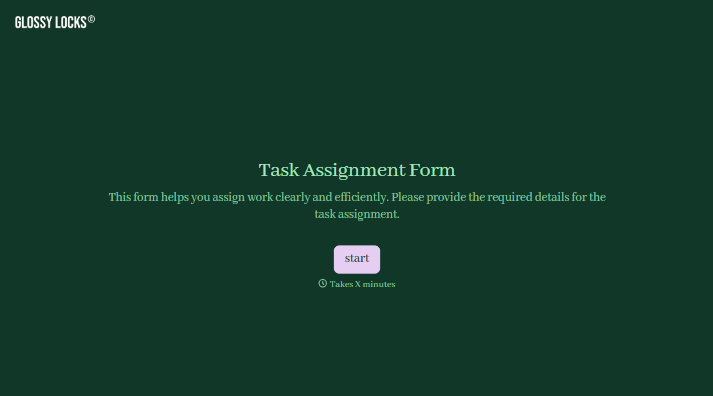
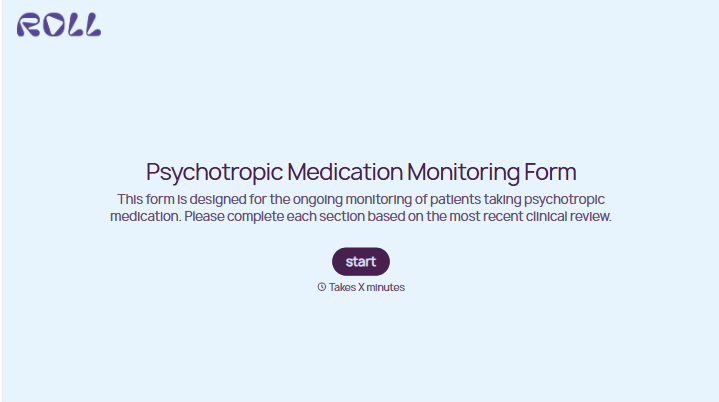
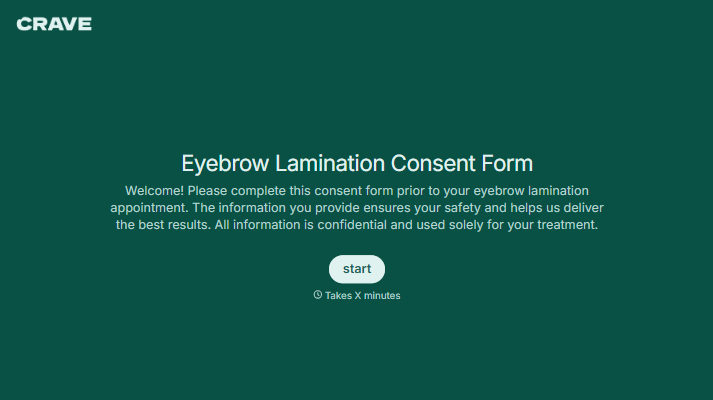


With Typeform, you can customize everything
Change text, colors, and even logos to match the look and feel of your brand. Then embed forms smoothly onto web and email.
Make forms feel effortless to fill out. Pace questions, call people by their name, and adapt the flow based on the data they share.
Stay efficient by connecting forms to your workflow. Typeform integrates with 300+ tools including Slack, Zapier, and HubSpot.